• BRAD BASHAM
  • DESIGN + ILLUSTRATION
  • KEY ART
  • About
BRAD BASHAM
  • BRAD BASHAM
  • DESIGN + ILLUSTRATION
  • KEY ART
  • About

Panama City and San Blas

DSC01479_BW.jpg
DSC02124.jpg
DSC02146.jpg
DSC02175.jpg
DSC02203.jpg
DSC02408.jpg
DSC02243.jpg
DSC02230.jpg

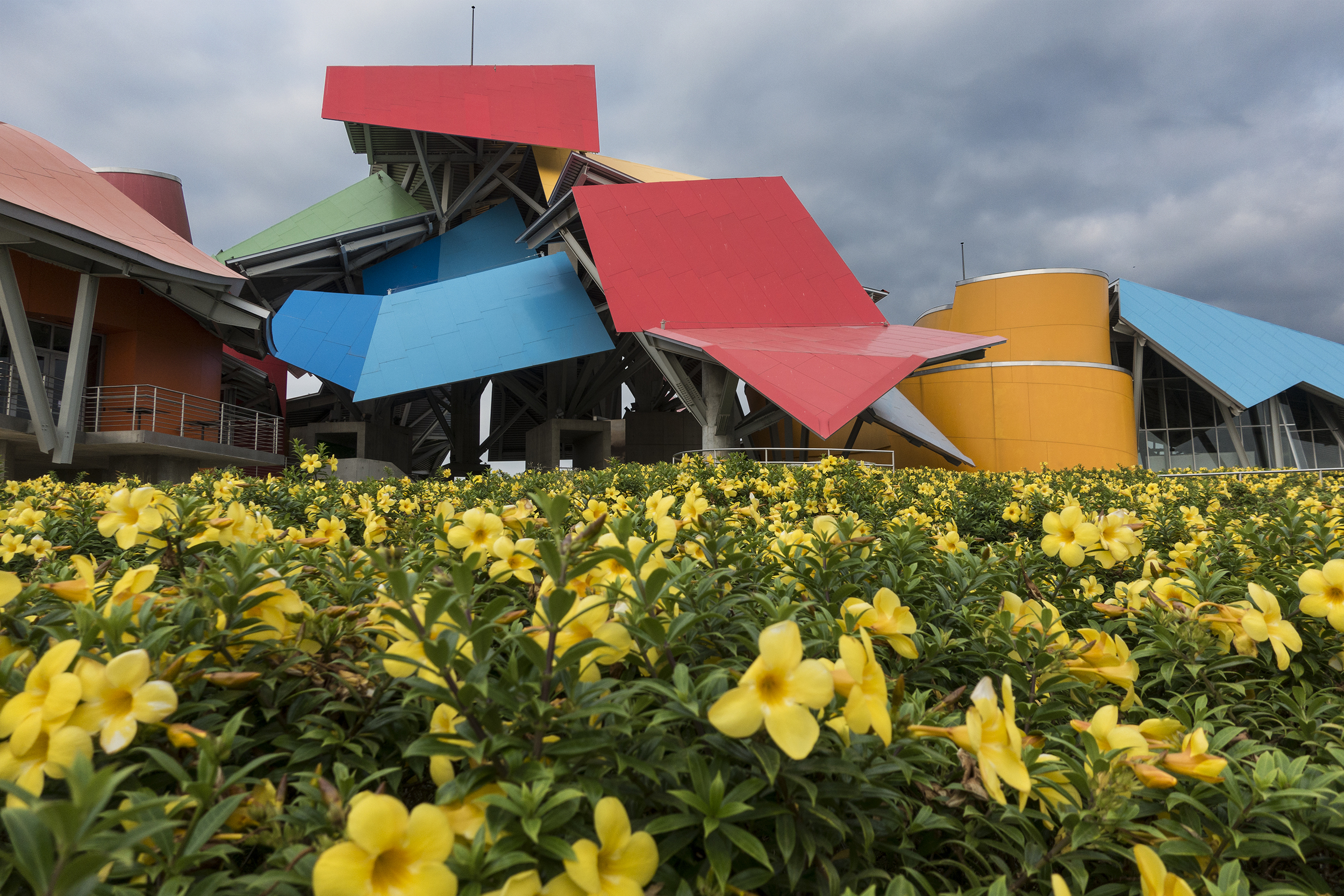
Still thrilling over Cuba, Danny and I returned to Panama content to waste a couple days in front of the TV and around the pool. The Panama City airport, where you will not find a printed word but there are a couple dozen stores anxious to sell you a GoPro, was a harsh return to reality. It stands as an unheeded warning at the city gates: beware the cultural void. Admittedly, this is hypocritical criticism; Theodore Roosevelt proudly incited a revolution in what was then a united Colombia - an effort to create a puppet state that would cooperate with American aspirations to build a canal. 100 years later, Panama is an international crossroads - a lynchpin of global consumerism - with a suppressed and frustrated indigenous population that greets foreigners with a sneer. 

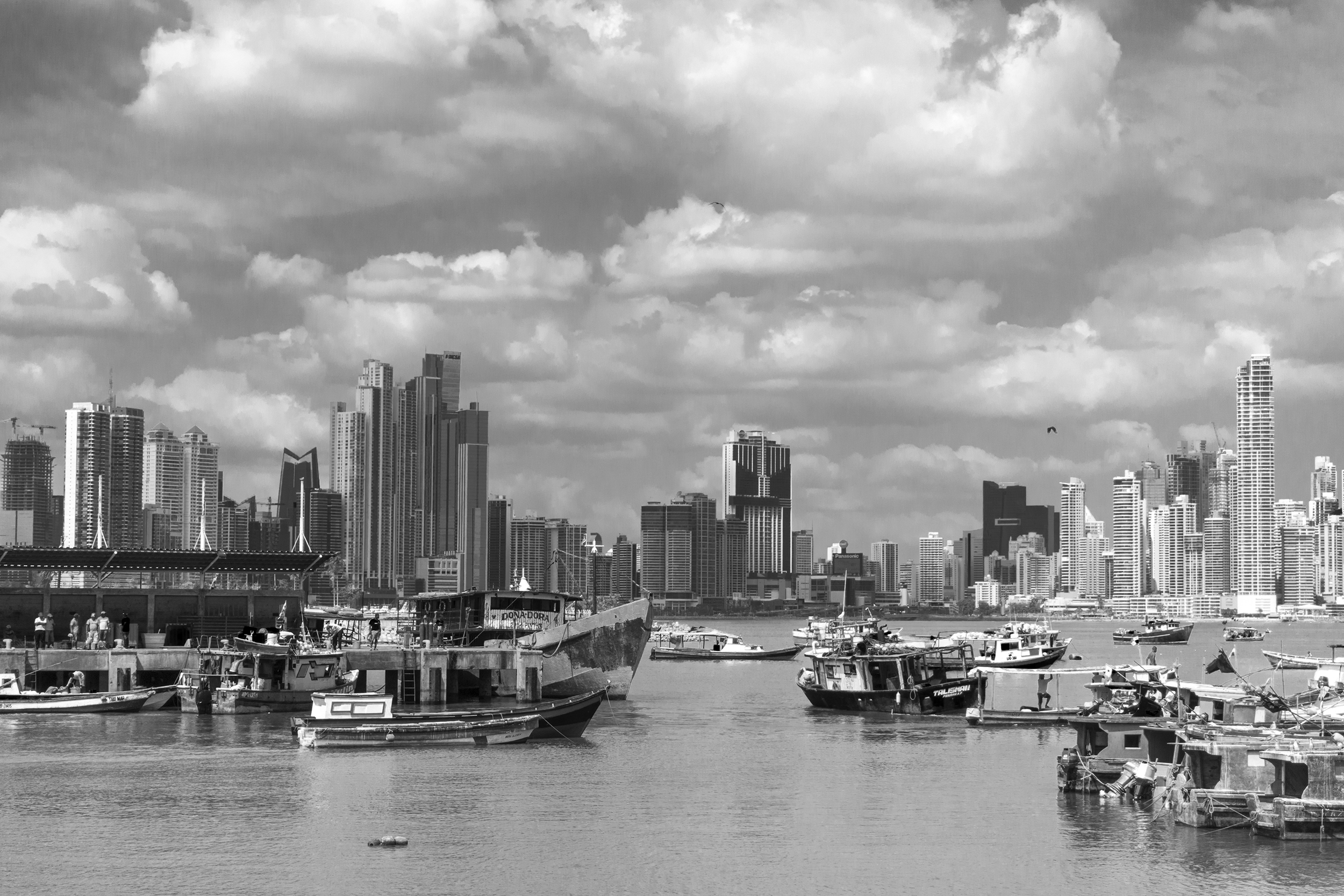
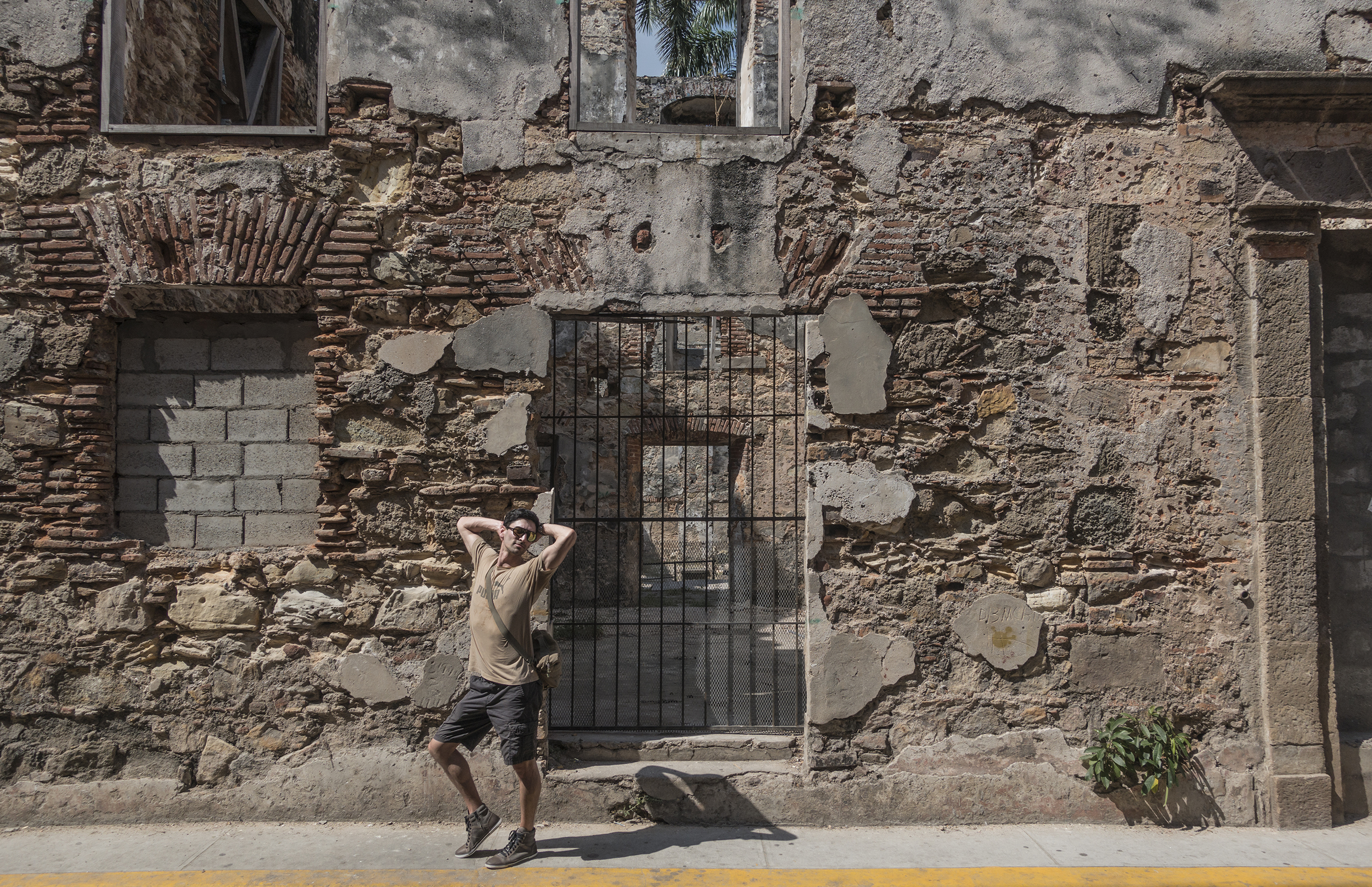
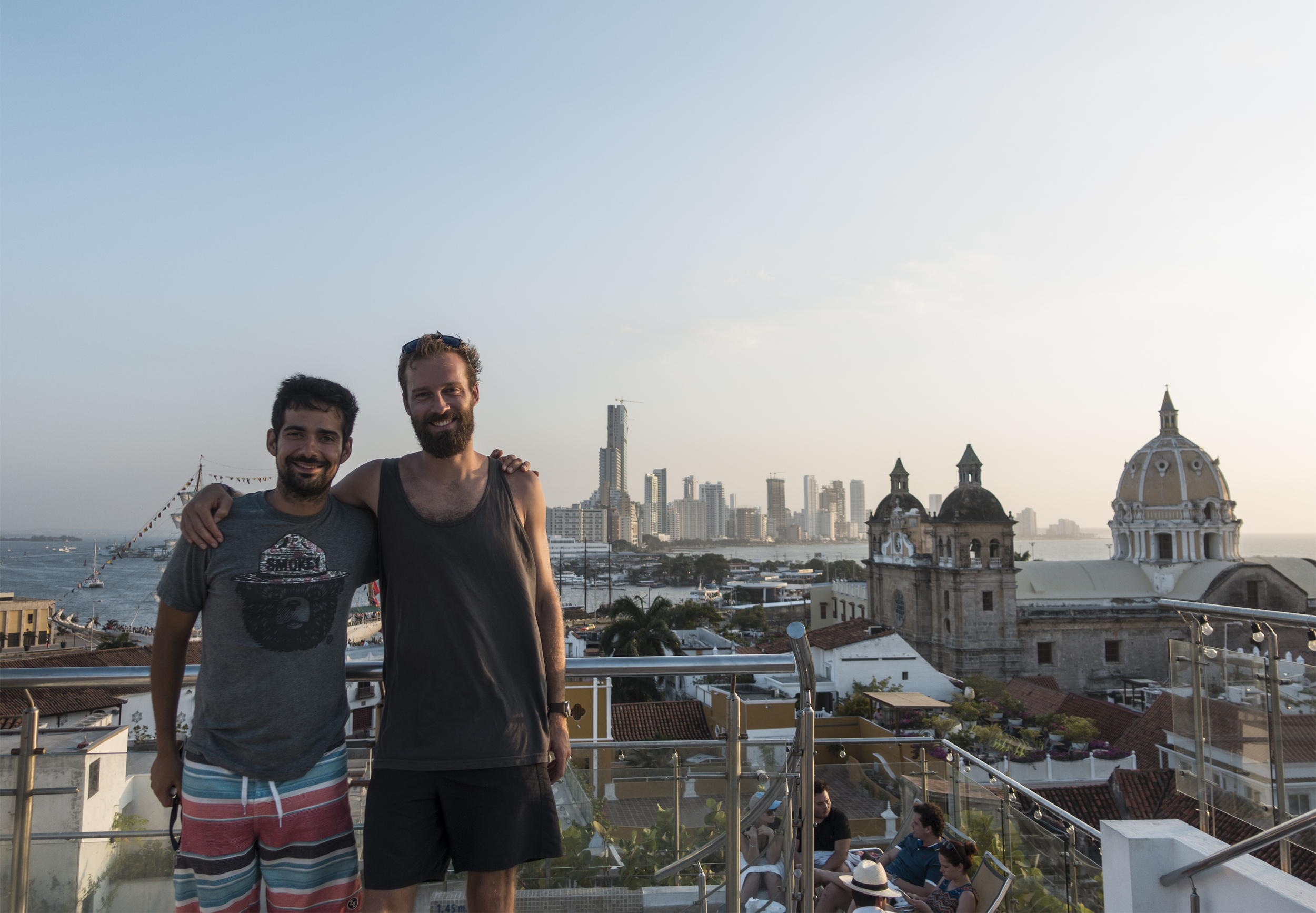
Panama City is not all bad; there is a fish market selling cheap but excellent ceviche, an attractive skyline guarded by a long waterfront promenade, some great bars, and a historic center that does a reasonable imitation of beautiful Cartagena. Fittingly, however, the highlight of those last days in the city probably came while drinking Miller Light at the local Hooters. We were there to catch one of the last games of The Tournament’s opening round, which concluded when the underdog drained a half-court buzzer-beater, and our involuntary yelps drew curious glances from a restaurant full of baseball fans.

Danny boarded a flight to Los Angeles early the next morning. At around the same time, I climbed into the back seat of a Toyota Land Cruiser for a three hour drive towards the idyllic islands of San Blas. It was a sickening race along a narrow, twisting, jungle road, but the group of us strangers - packed together like a shipment of crash-test dummies - quickly bonded over the struggle.

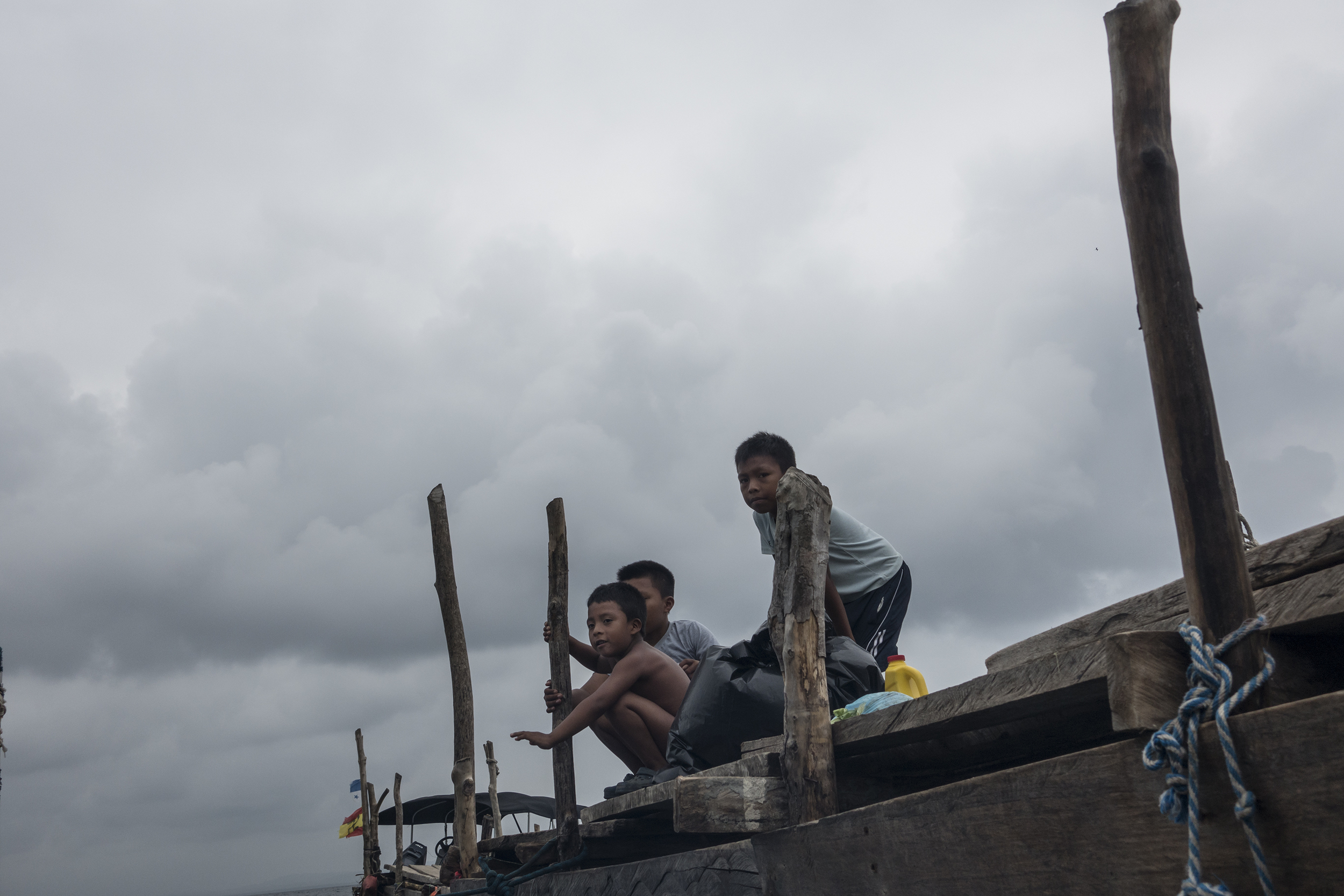
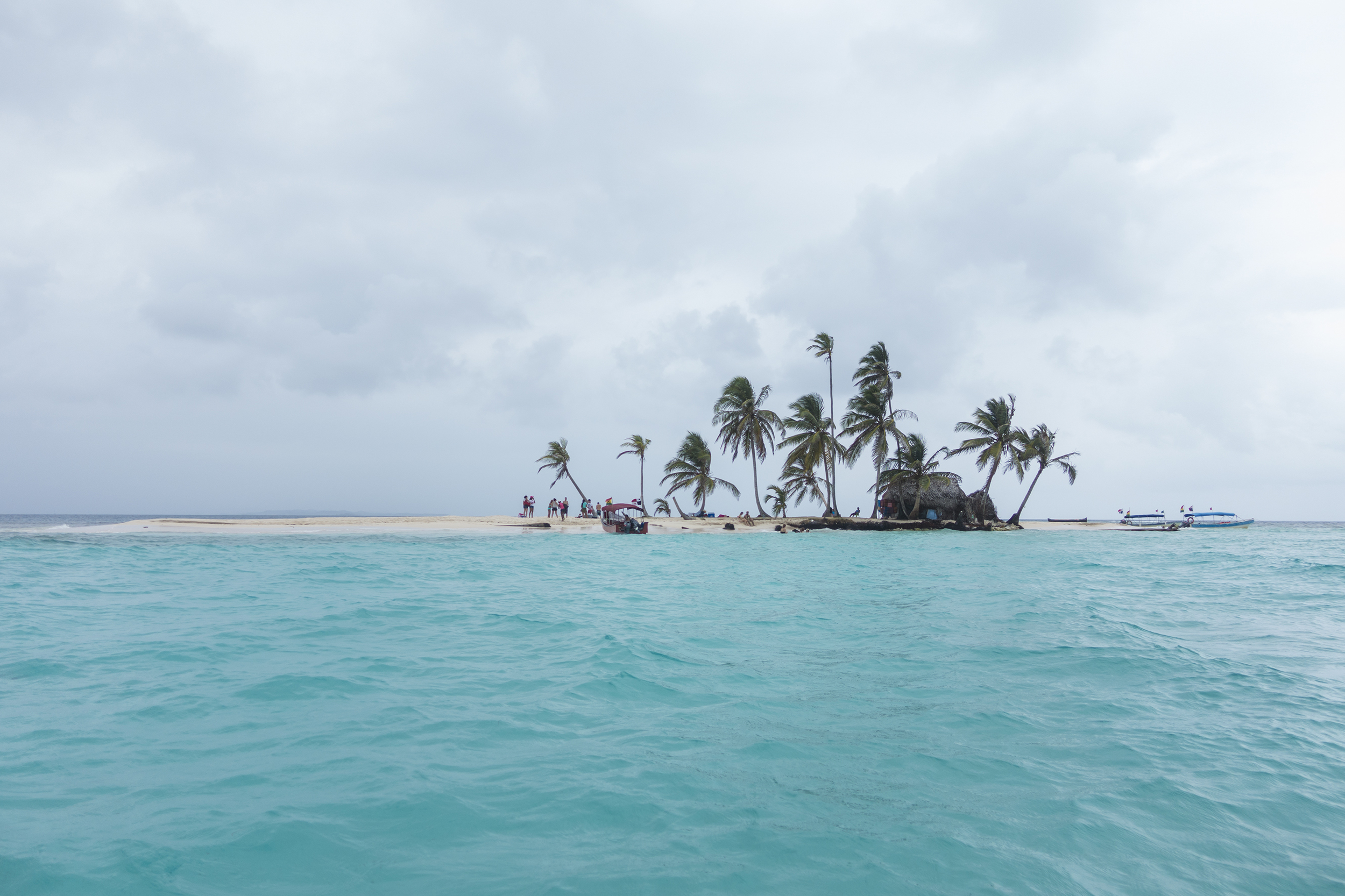
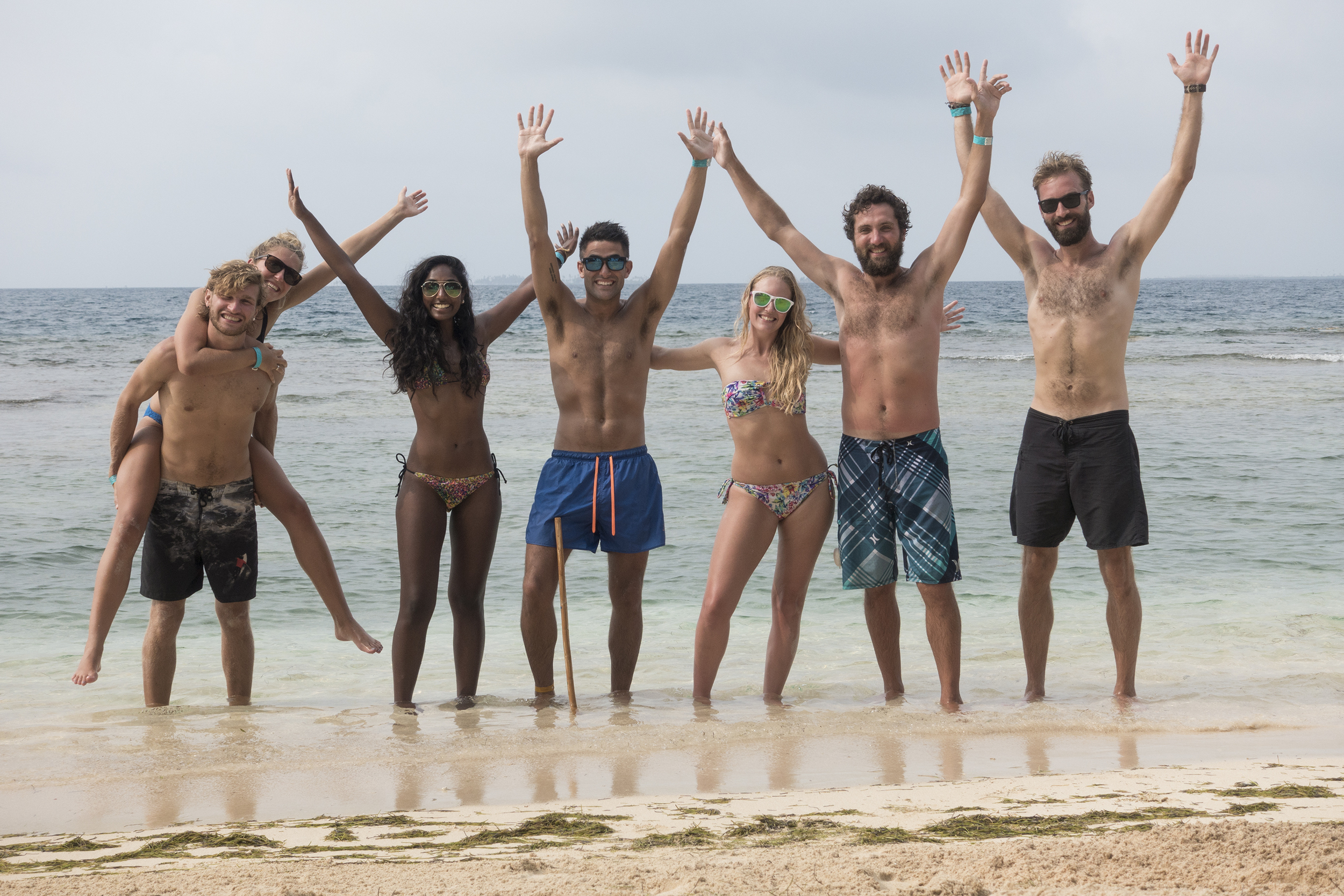
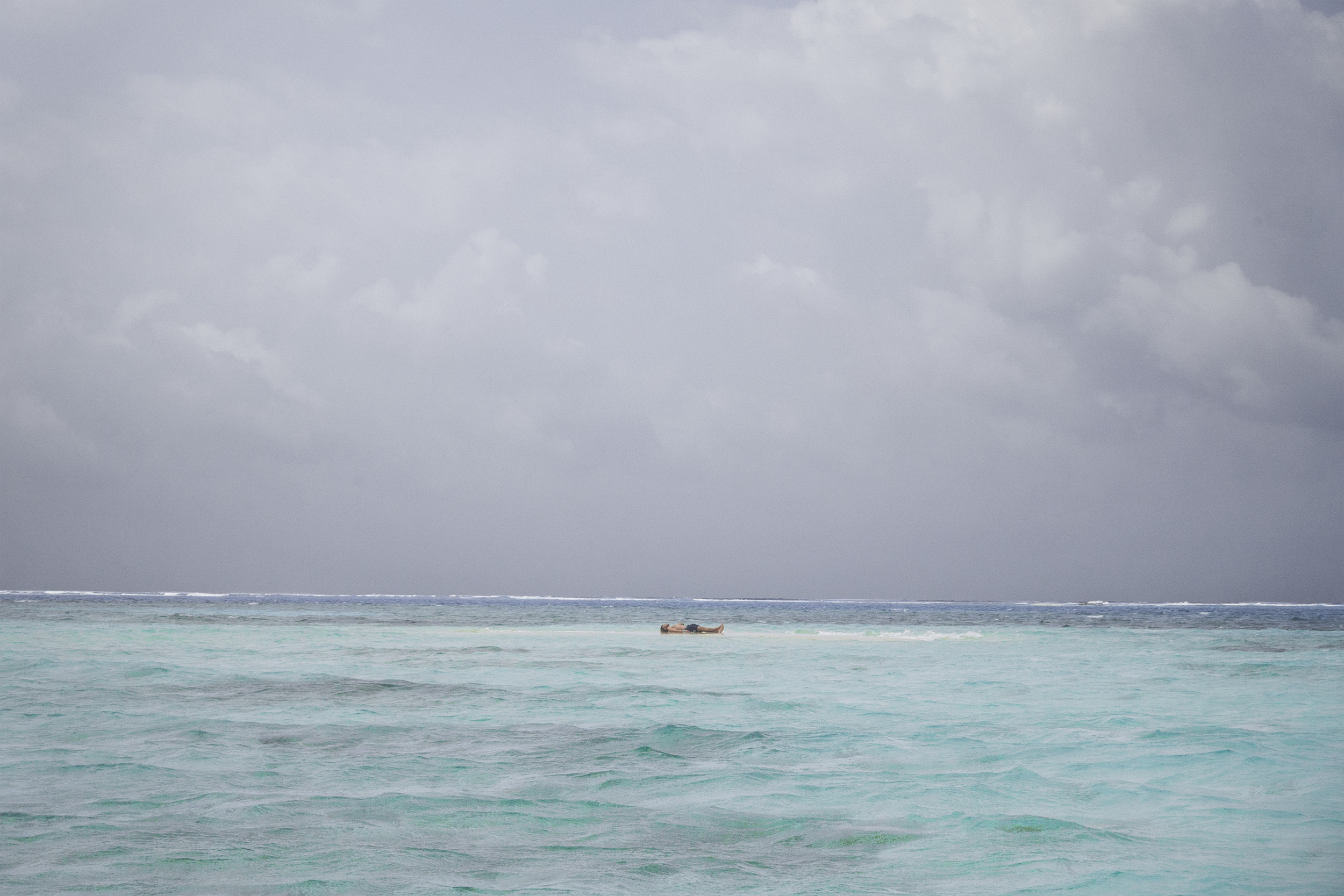
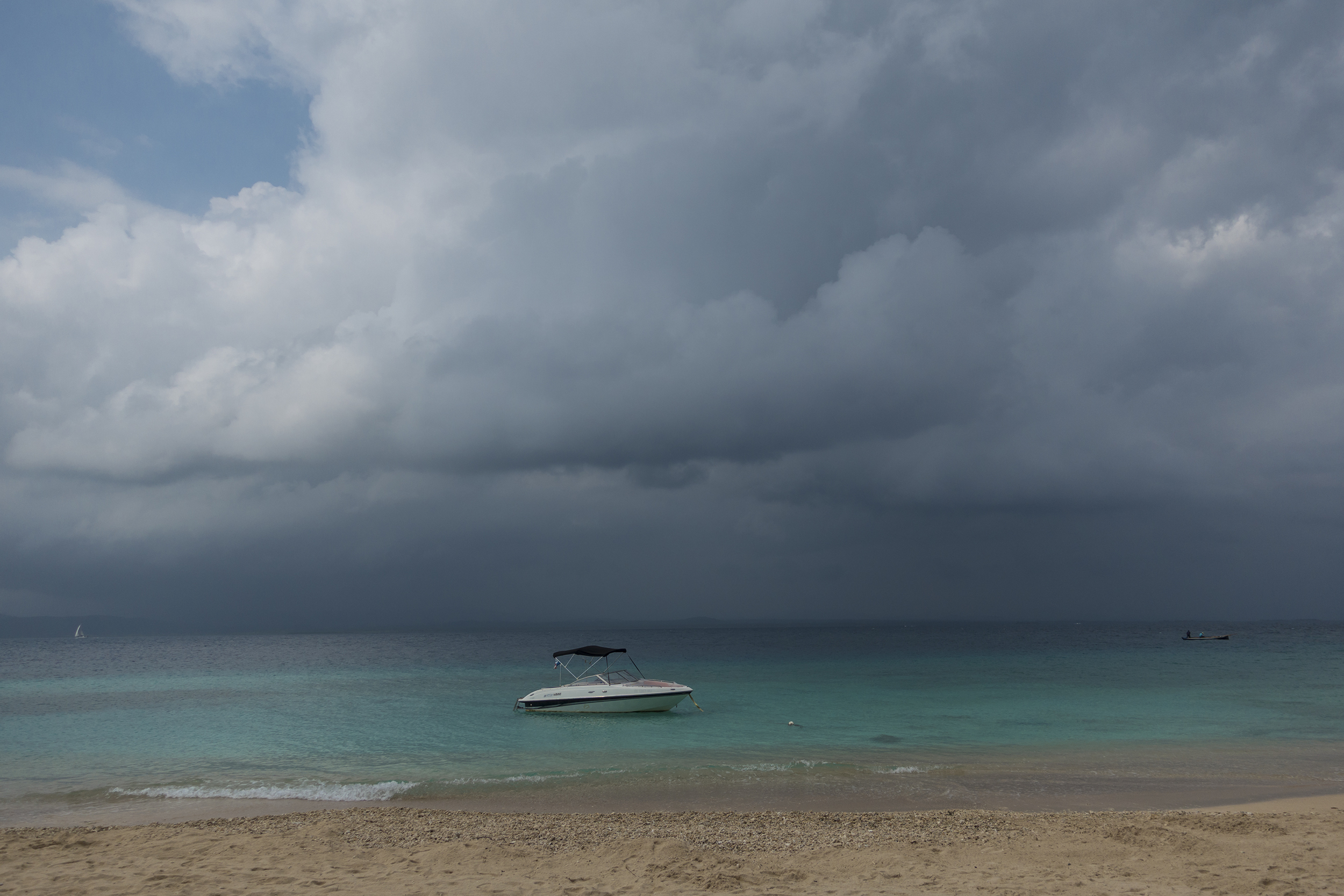
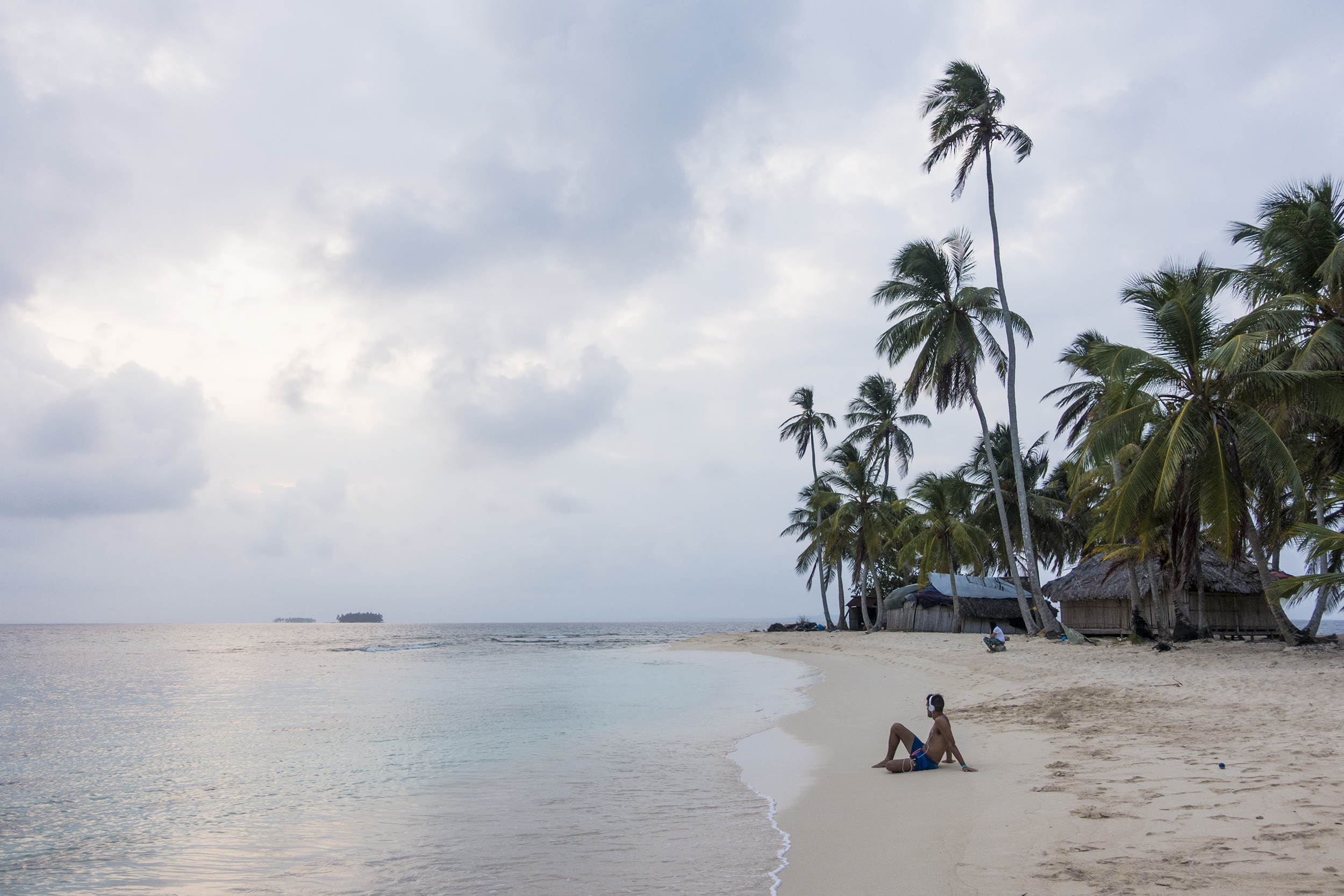
We spent the next four days exploring islands that seemed like little more than truckloads of sand dumped into shallow, turquoise water. The weather didn’t always cooperate with my photographic vision - “San Blas Islands” is worth a google - but it was beautiful nonetheless, and the overcast weather was perfect for afternoon naps on the beach. Long nights of cards, rum, and moonlight swims were unexpected and fun, and the breezy 10-bed dorm was surprisingly comfortable. It was paradise on a backpacker’s budget.  

Tuesday 03.22.16
Posted by Bradley Basham
 

Cuba

DSC01588.jpg
DSC01622.jpg
DSC01629.jpg
DSC01605_BW.jpg
DSC01718.jpg
DSC01680.jpg
DSC01776.jpg
DSC02033.jpg
DSC01811.jpg
DSC01830.jpg
DSC01969.jpg
DSC01904.jpg
DSC02010.jpg
DSC02063.jpg
DSC01787.jpg
DSC02024.jpg
DSC02099.jpg
DSC01746.jpg
DSC01834.jpg

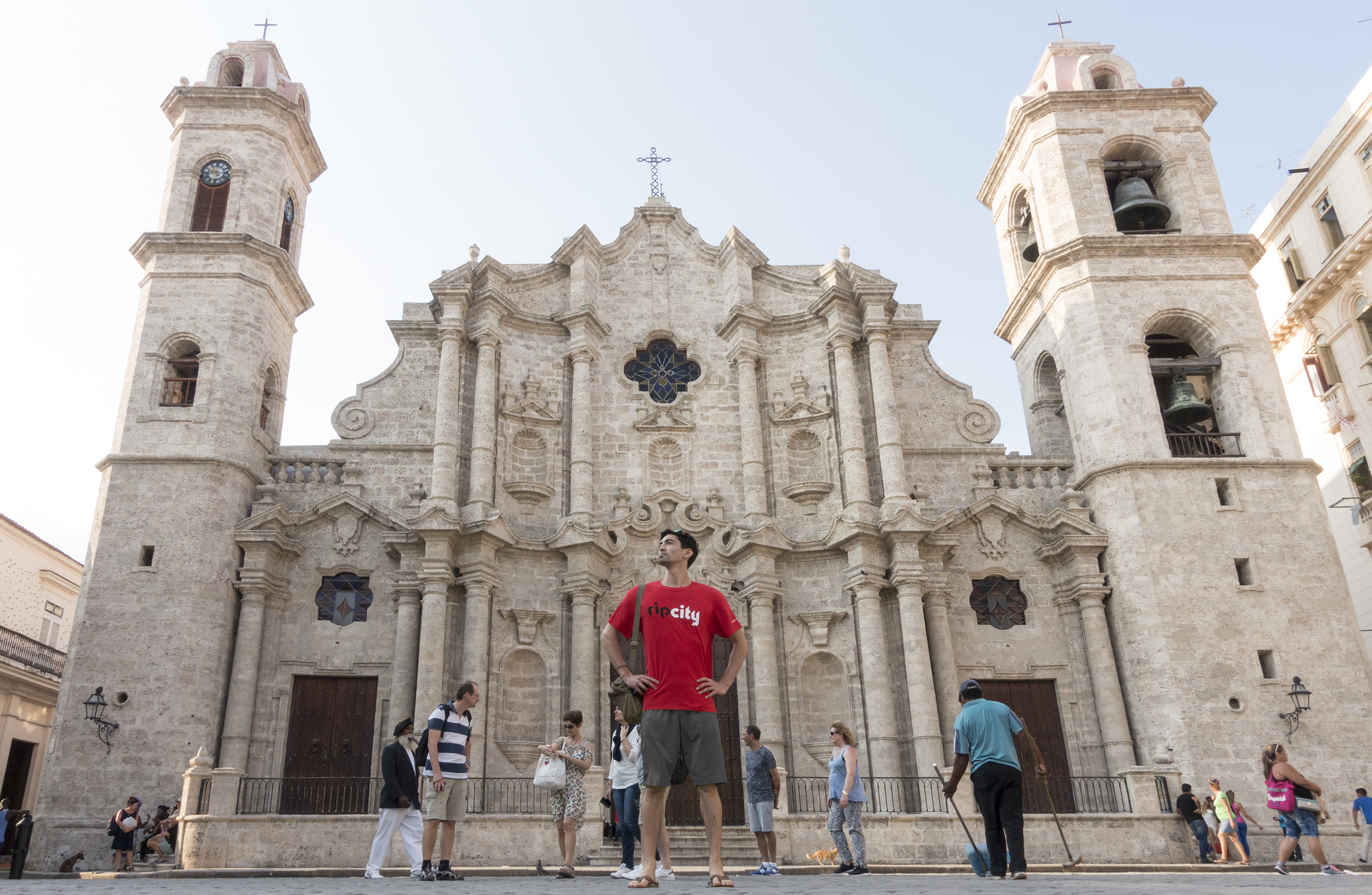
Armed with an amateur travel blog and prepared to brag about plans to publish, I boarded a flight to Havana as a “journalist” - one of a handful of exceptions that permit Americans to enter Cuba legally. Without authorization, however, traveling there is still illegal, and felt a bit like crossing enemy lines until a friendly immigrations officer offered to eschew passport stamps.

Fittingly, the first thing we did on Cuban soil was to wait two hours for the last bags from flight AM453 to reach baggage claim, and to realize that neither of ours had made the trip. It struck midnight as we explained our circumstances to the woman at the Lost and Found desk. Our claim checks had been attached to our first-leg boarding passes and discarded in Mexico City, we’d be without internet, so we had no contact information, and a friend that reserved our lodging had only provided us with the name of the bar at which to meet him. So, it was a telegraph to the world of airports: “Two lost backpacks. Gray and black. Please return to Daniel and Brad in downtown Havana.”

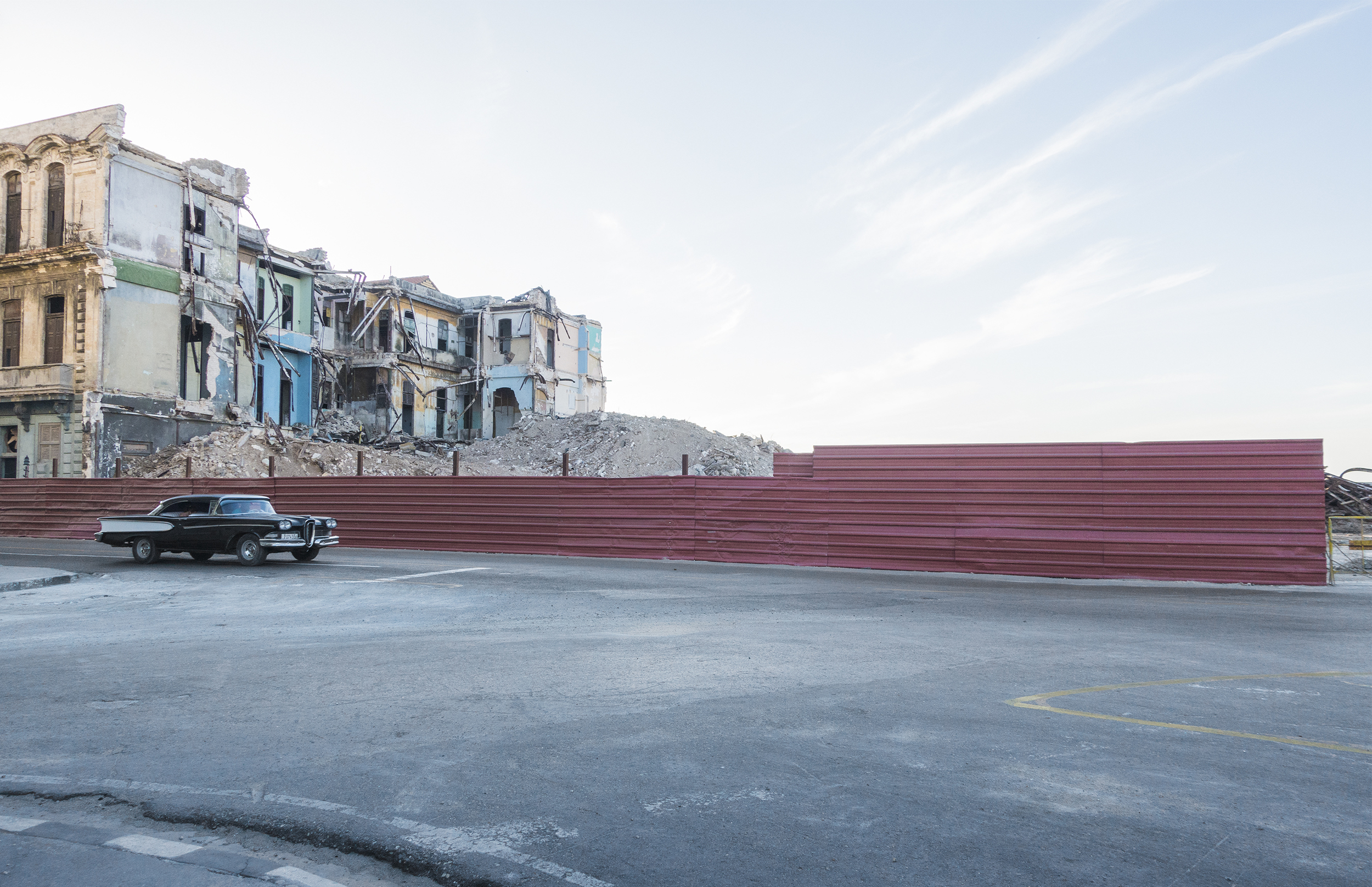
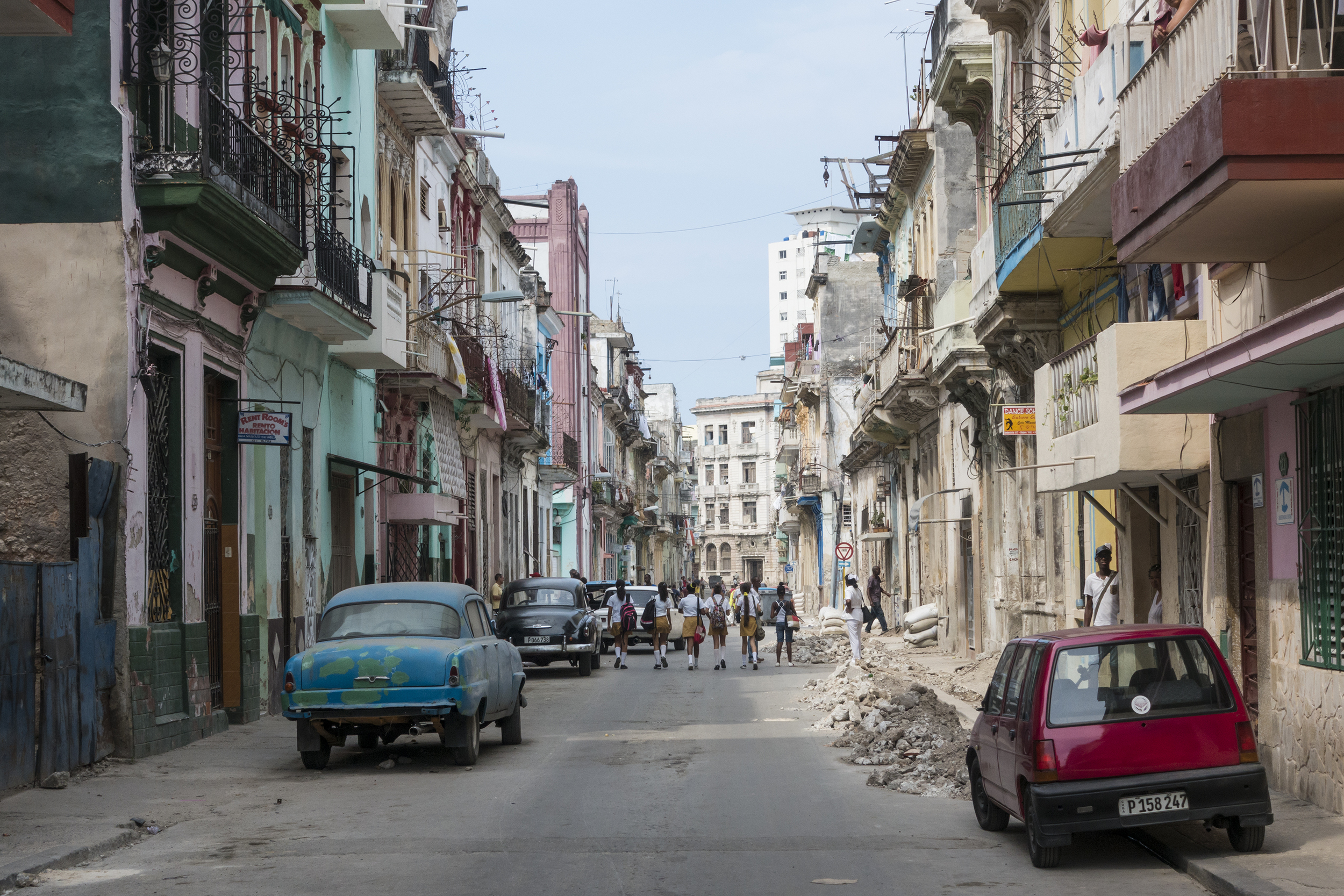
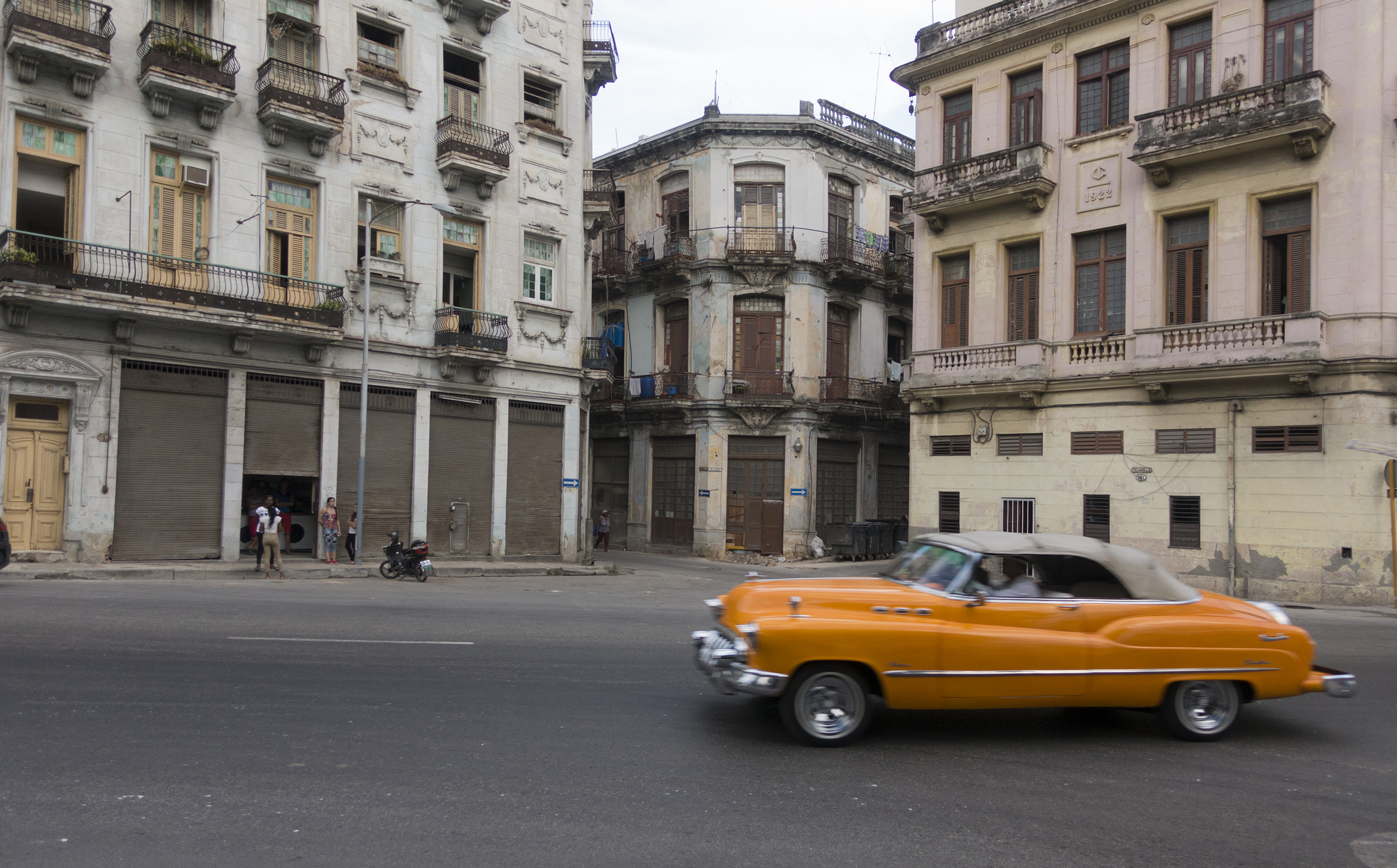
Within minutes, however, we were under Cuba’s spell, and our lost bags were something of a memory. Consistent with our plan not to plan, I entered Cuba knowing almost nothing about it. There had been vague warnings that our credit cards wouldn’t work, our access to the internet would be limited, and that the outdated trade embargo had created something of a time capsule. Indeed, we climbed into a 50 year old taxi - somewhat modern by local standards - and drove into the past. Yasmany, our very friendly driver and first tour guide, introduced us to the city and pointed out towering monuments to Che and Fidel along the way. 

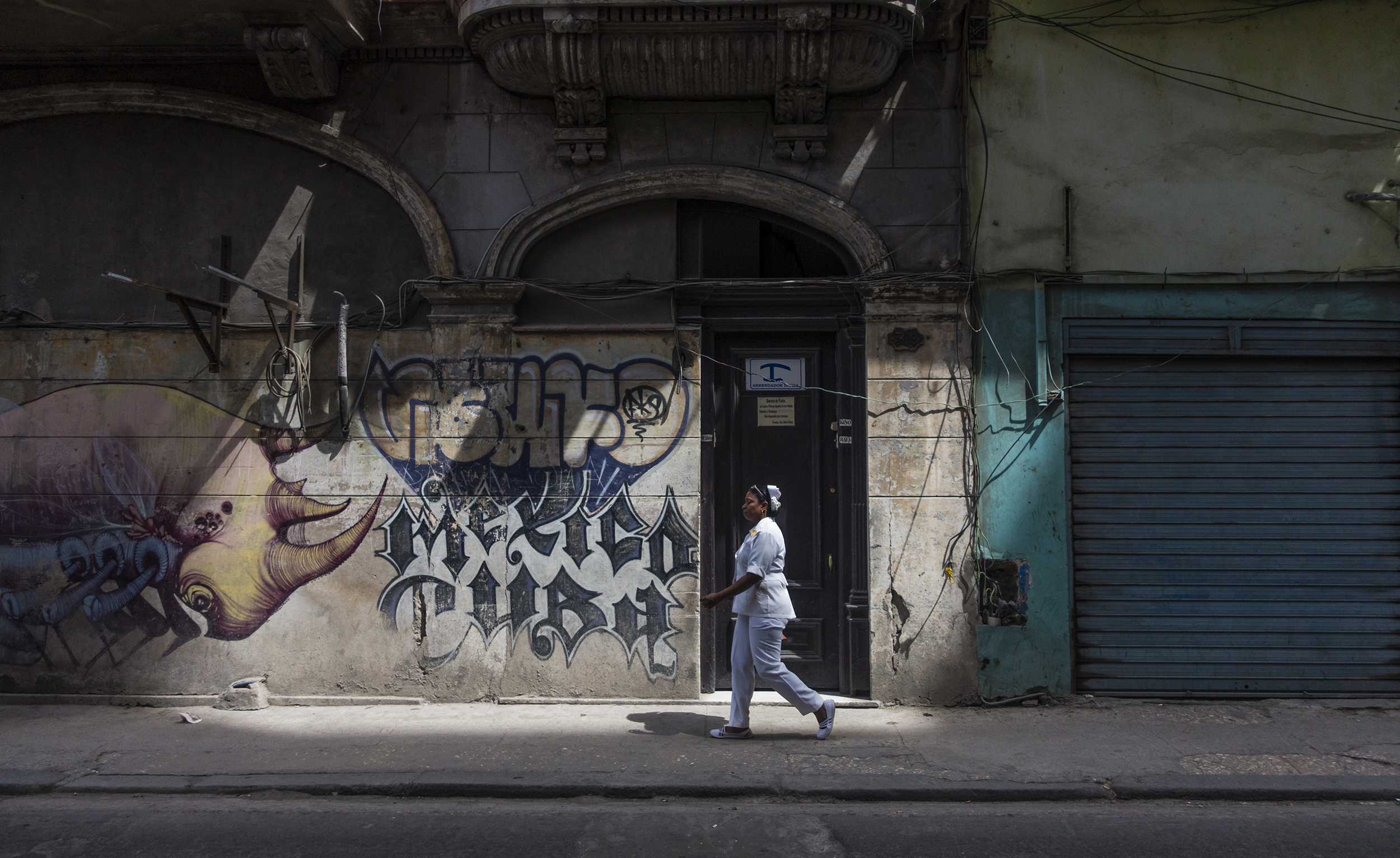
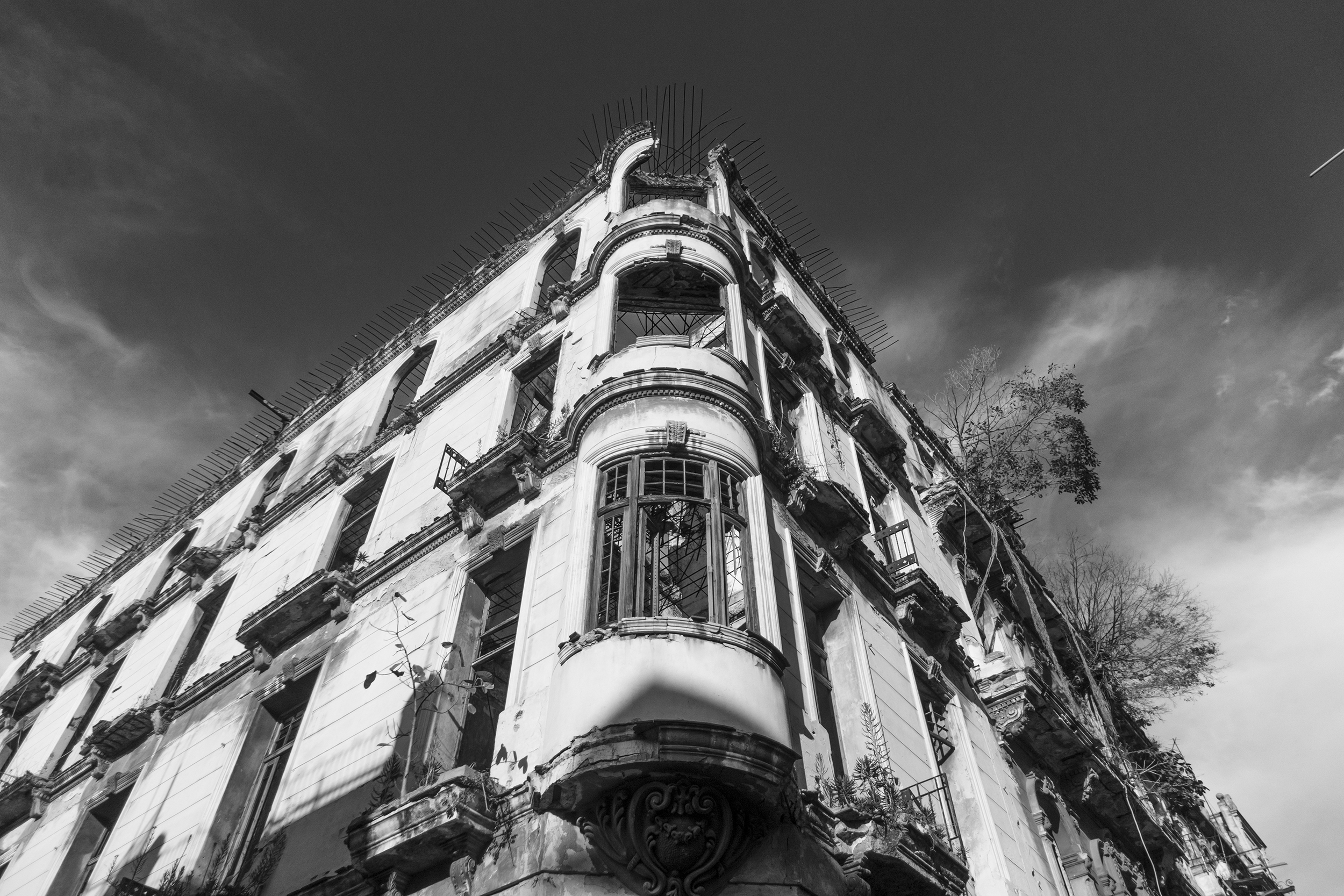
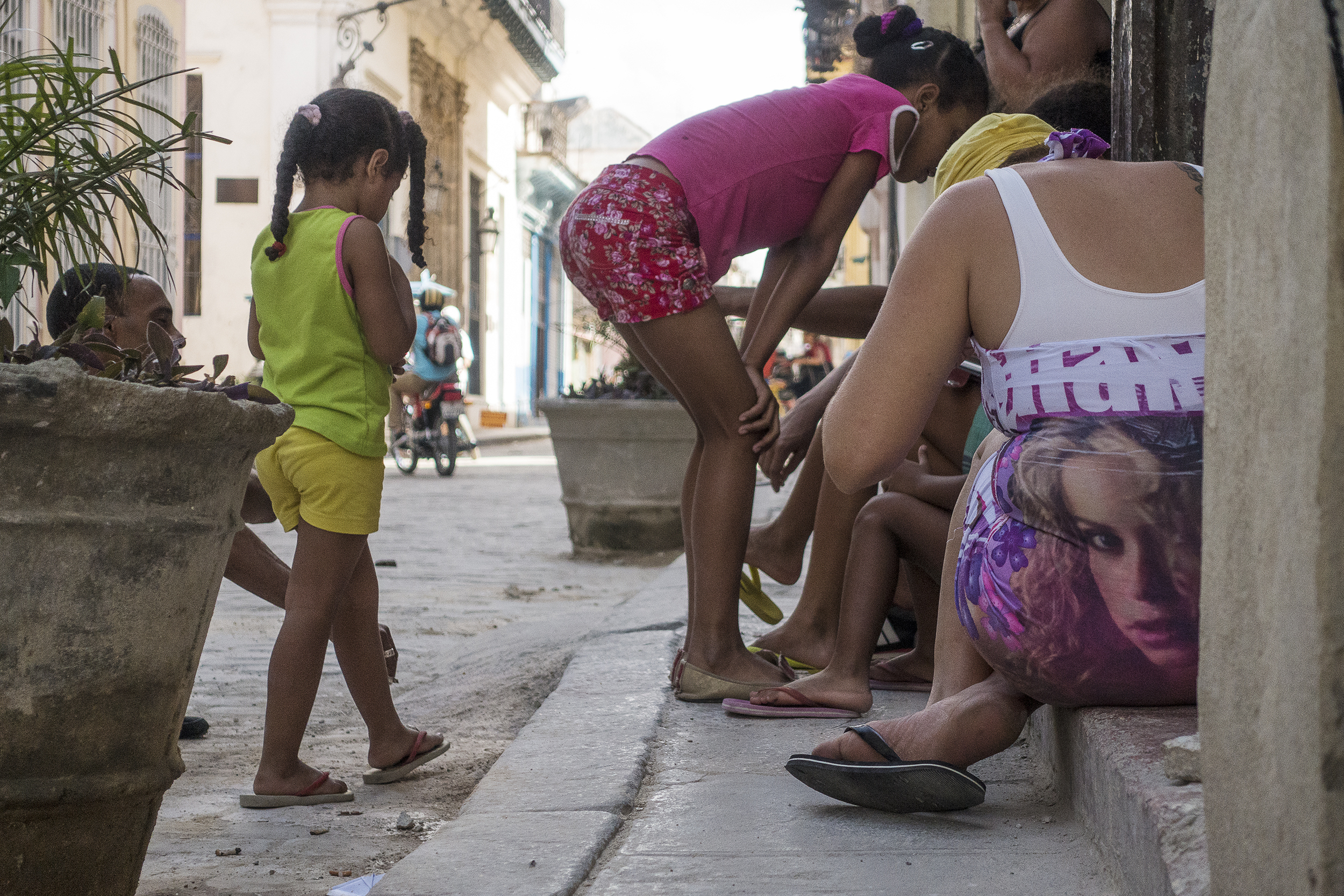
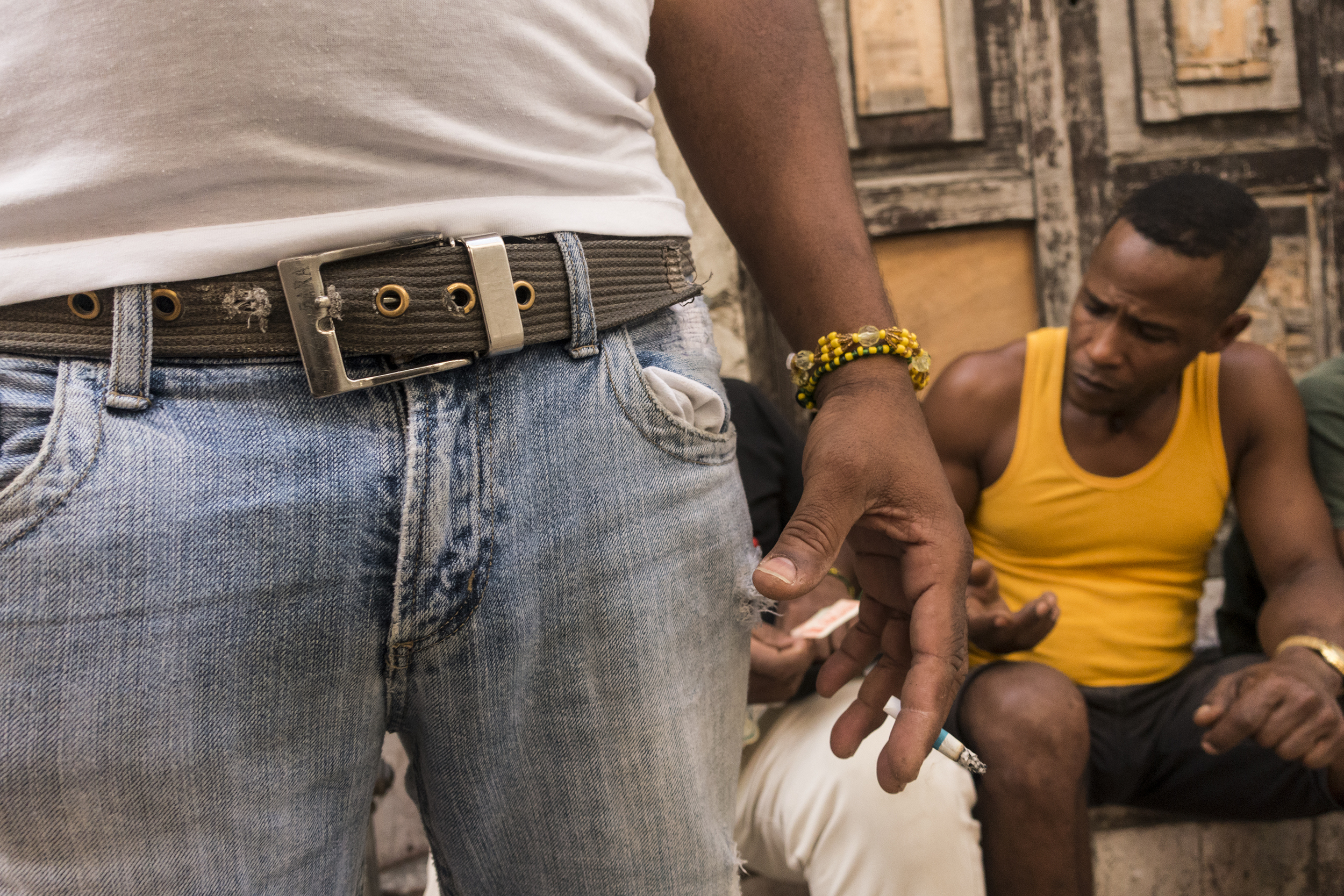
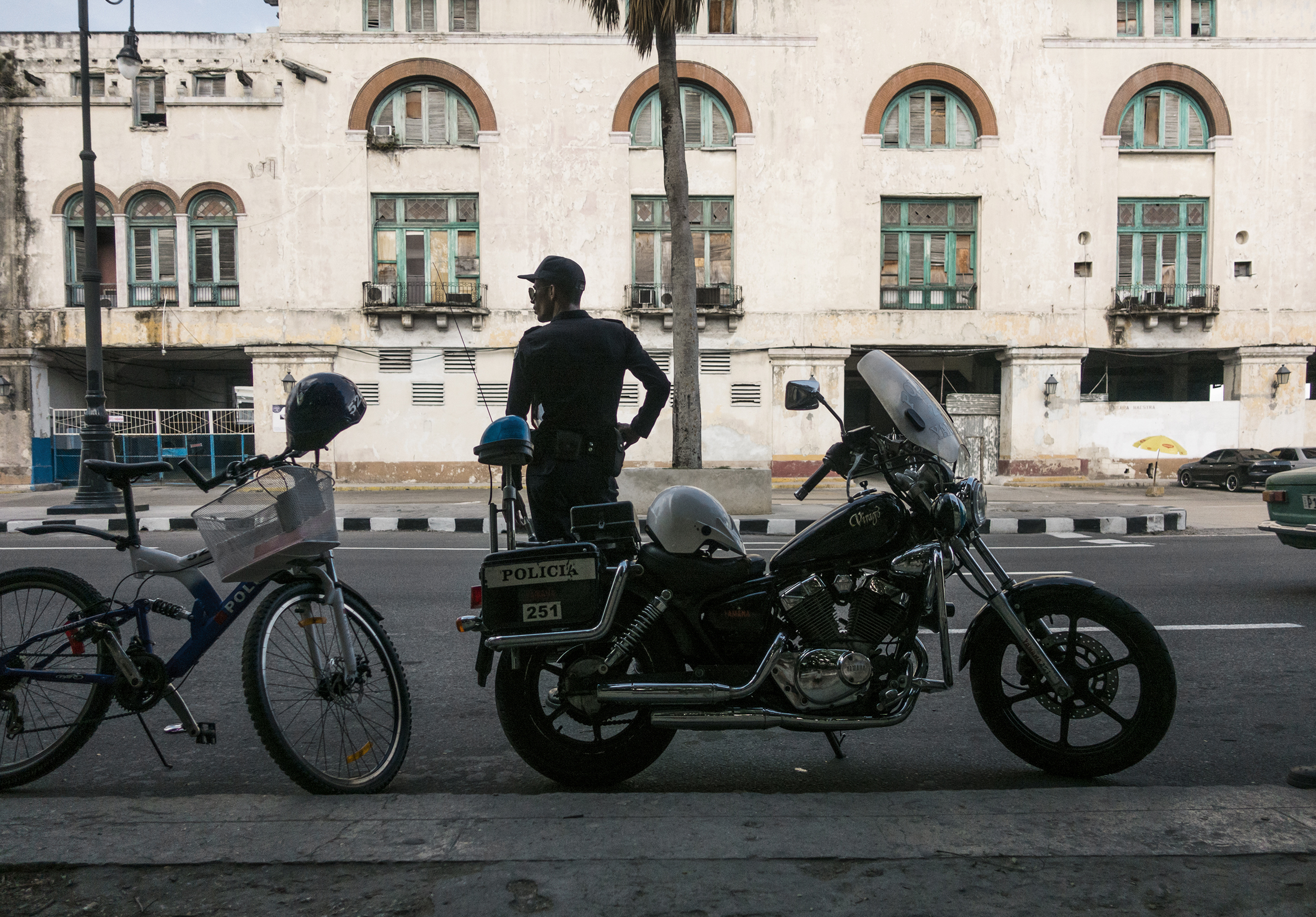
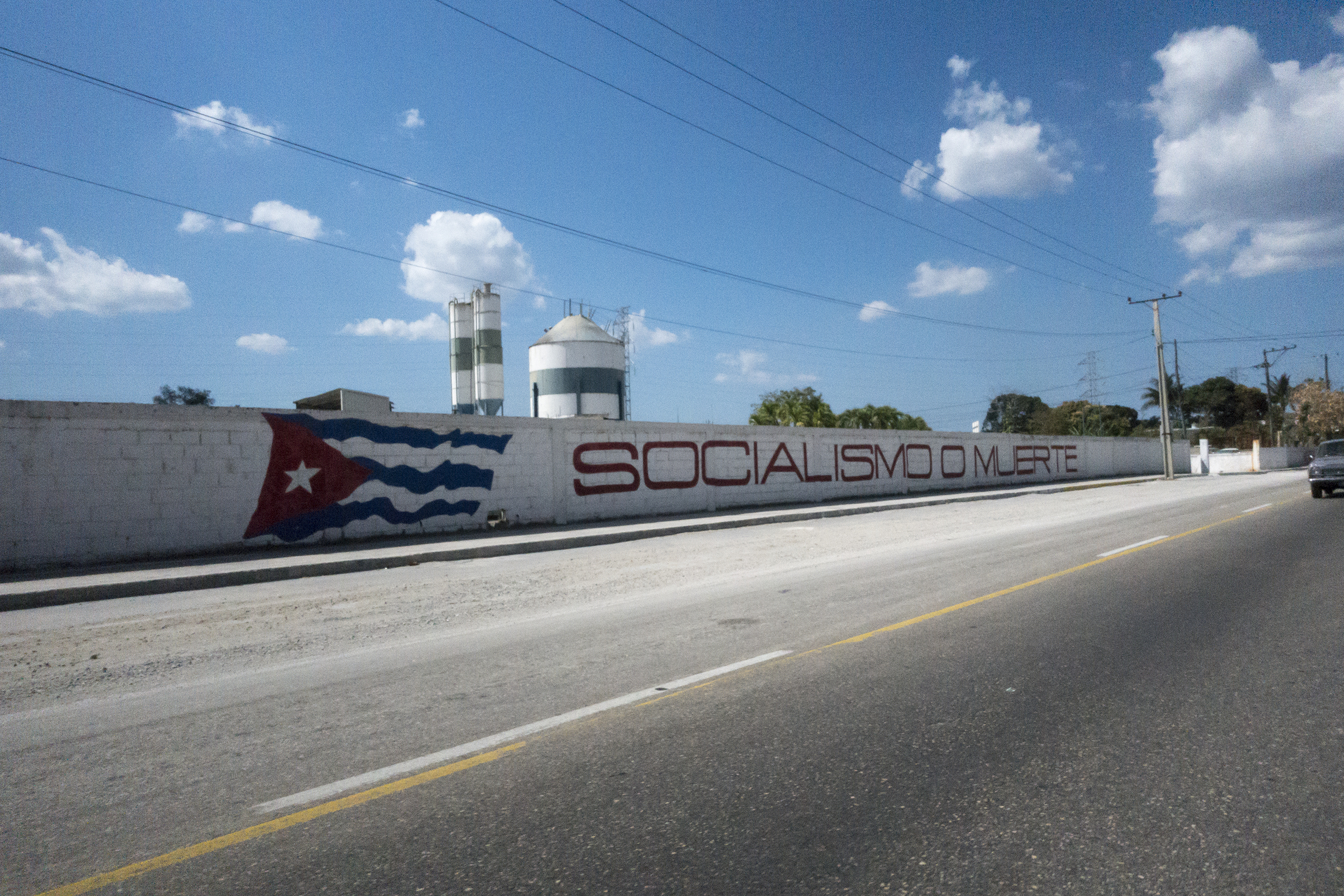
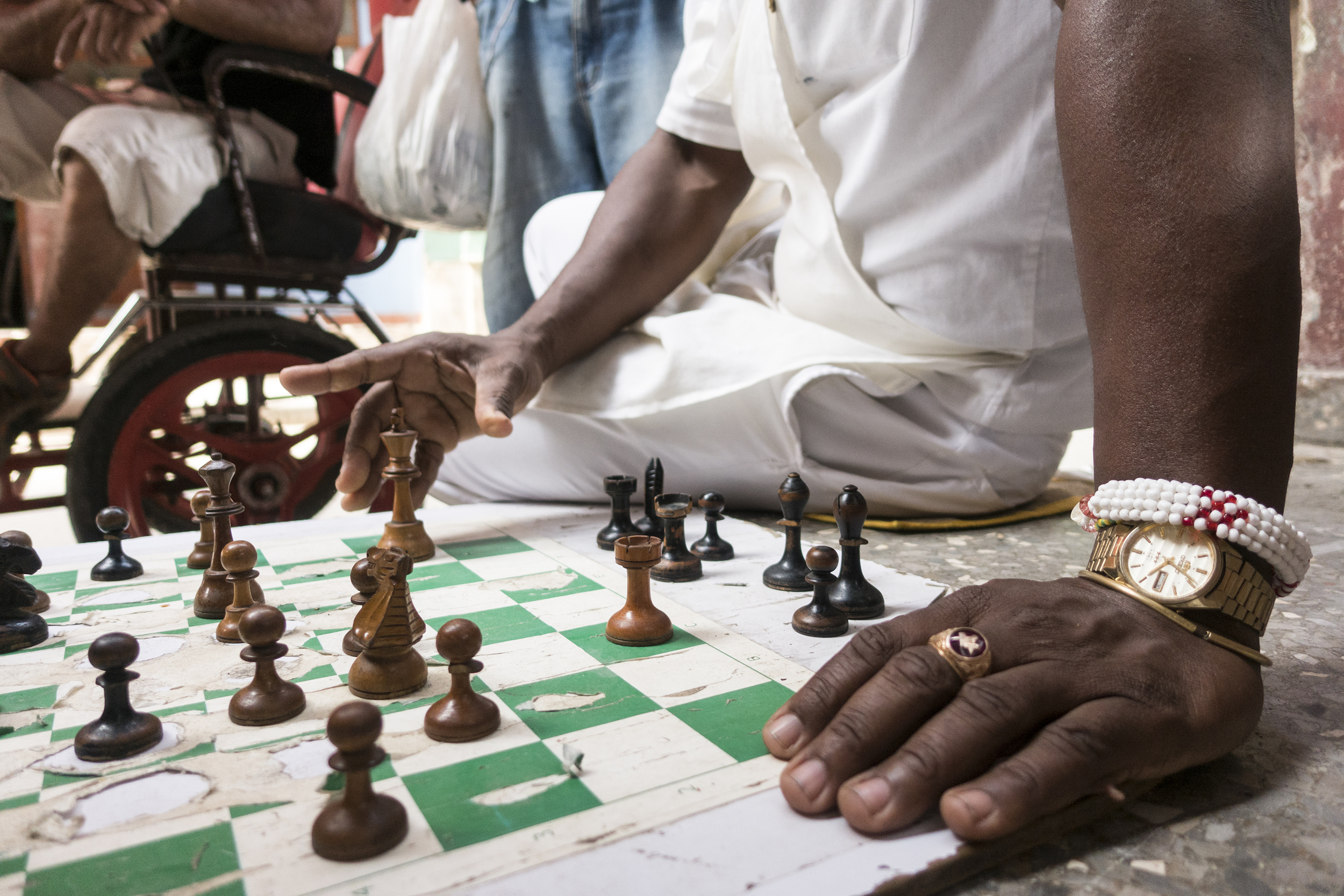
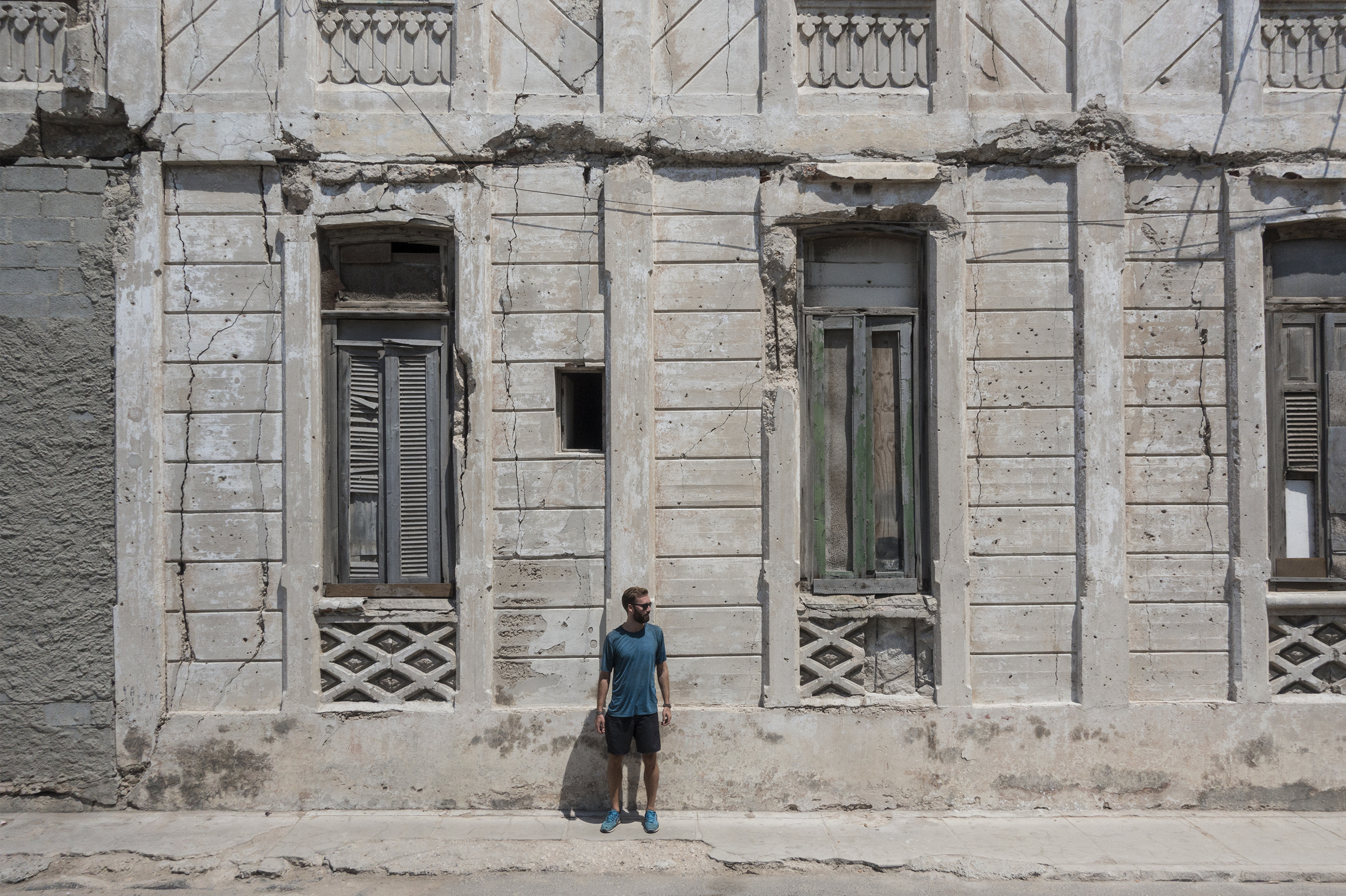
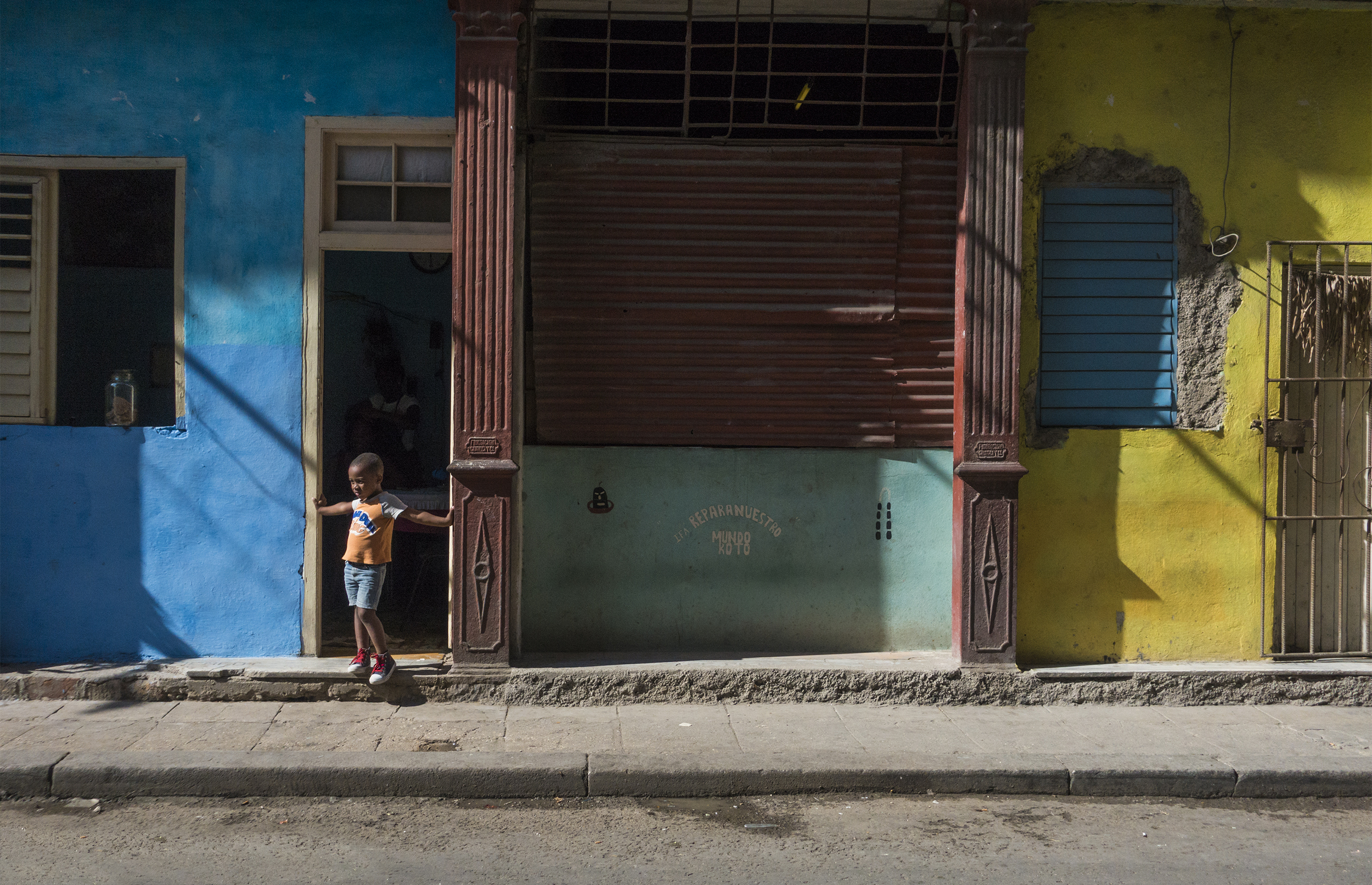
Centro Habana is a forest of dilapidated buildings, cracked concrete, and palm trees swaying in the Caribbean breeze. Music echoes through narrow alleys and classic cars dodge aimless pedestrians, leaving gasoline fumes and cigar smoke in their wakes. The bright colors and the classic lines of an opulent past contrast a ghetto’s grit. For us it was rougher than usual; a mess of wet paint and concrete as the city prepared itself for a historic visit from one Barak Obama.

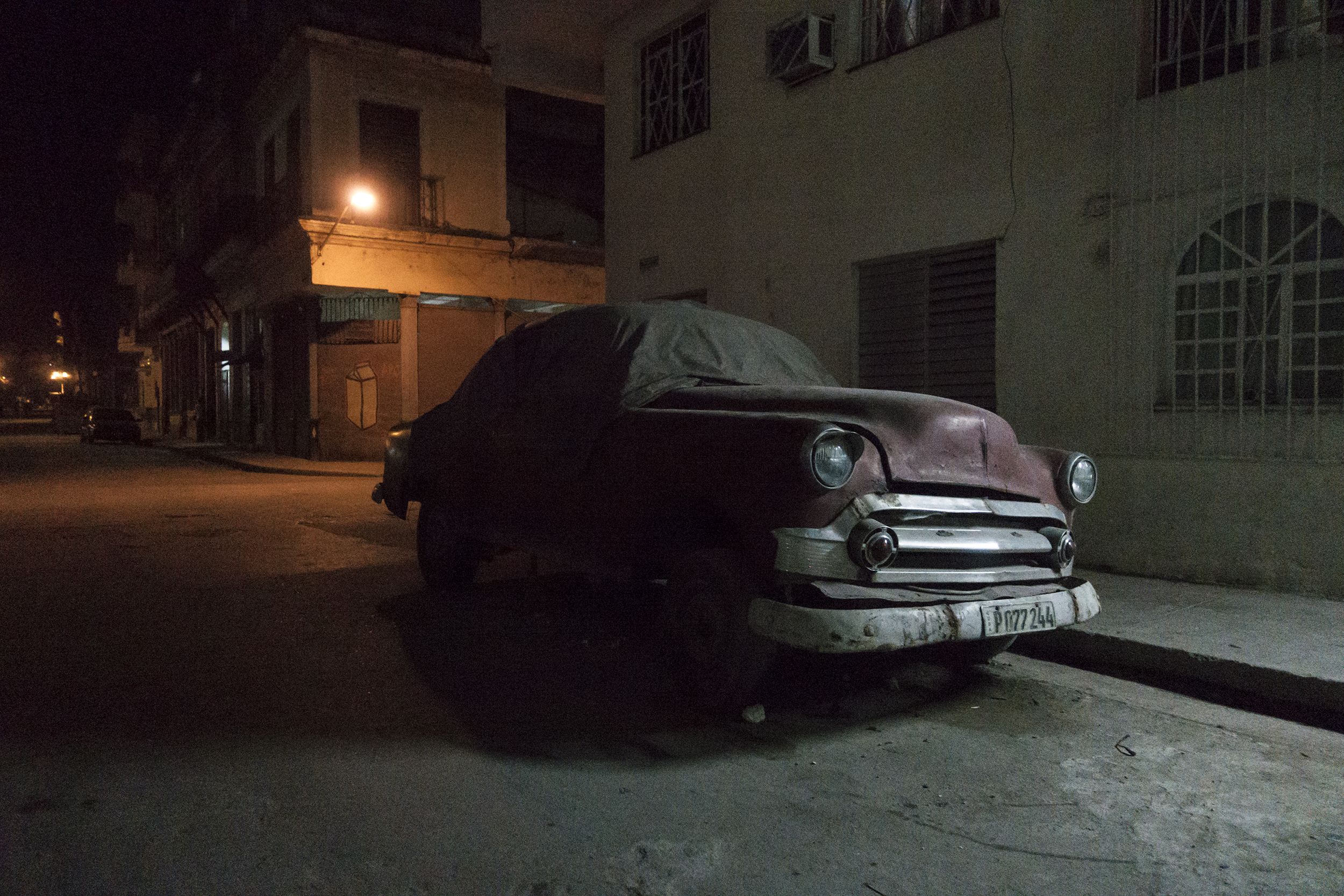
At night the city is a specter of darkness in which the occasional street light serves only to cast an ominous shadow. We were frightened at first, until Yasmany reassured us. “No pasa nada,” he said, as silhouettes started to converge on our parked taxi. On cue, the strangers offered to help us find our way, which was the moment I started to fall in love with Cuba. Friendly people light up the darkest of streets, which are safe to wander at any hour. And wander we did.

We spent five days exploring the distinct neighborhoods of Havana. Eventually, we discovered that the derelict center is the exception, not the rule; a belated realization that came with equal parts relief and disappointment. The center is unique and captivating, but it was nice to find a fledgling middle class and a smattering of art galleries, restaurants, and bars appealing to locals and tourists alike. Danny and I agreed that it was a great time to visit Cuba. A softened stance on capitalism has made life a bit easier on travelers without sacrificing what makes Cuba unique - the world’s friendliest people, a sense of community and collective effort, and virtually no homelessness or crime.

But there are still some obvious problems, and it’s hard to say a bit more private enterprise won’t help. The average employee earns $20 monthly and is eager to earn money on the side. Prostitution is rampant - we met one tourist who insisted that no woman in Cuba was above turning the occasional trick. A doctor might earn $30 per month, which is hundreds less than an “entrepreneur” who manages to buy a classic car and rent it to tourists. Capital is valuable here, too. 

Only occasionally did these shortcomings snag us. When performance isn’t rewarded, customer service suffers, so tracking down our luggage was a frustrating challenge. The two phone numbers we’d been given for lost and found never yielded so much as a recorded message, so we burned significant time and money being driven to and from the airport. First, we learned that our bags had been found in Lima, but they could not tell us when they would arrive or if they would be delivered to our apartment. By the time we finally recovered them at lost and found on our fourth day, it seemed something of a miracle - but the saga wasn’t over. On the drive home, the corpulent biologist who’d agreed to drive us to the airport was pulled over and ticketed for running an unauthorized taxi business. The officer hailed us an official cab, thereby obligating us to pay twice for our third trip into the city. 

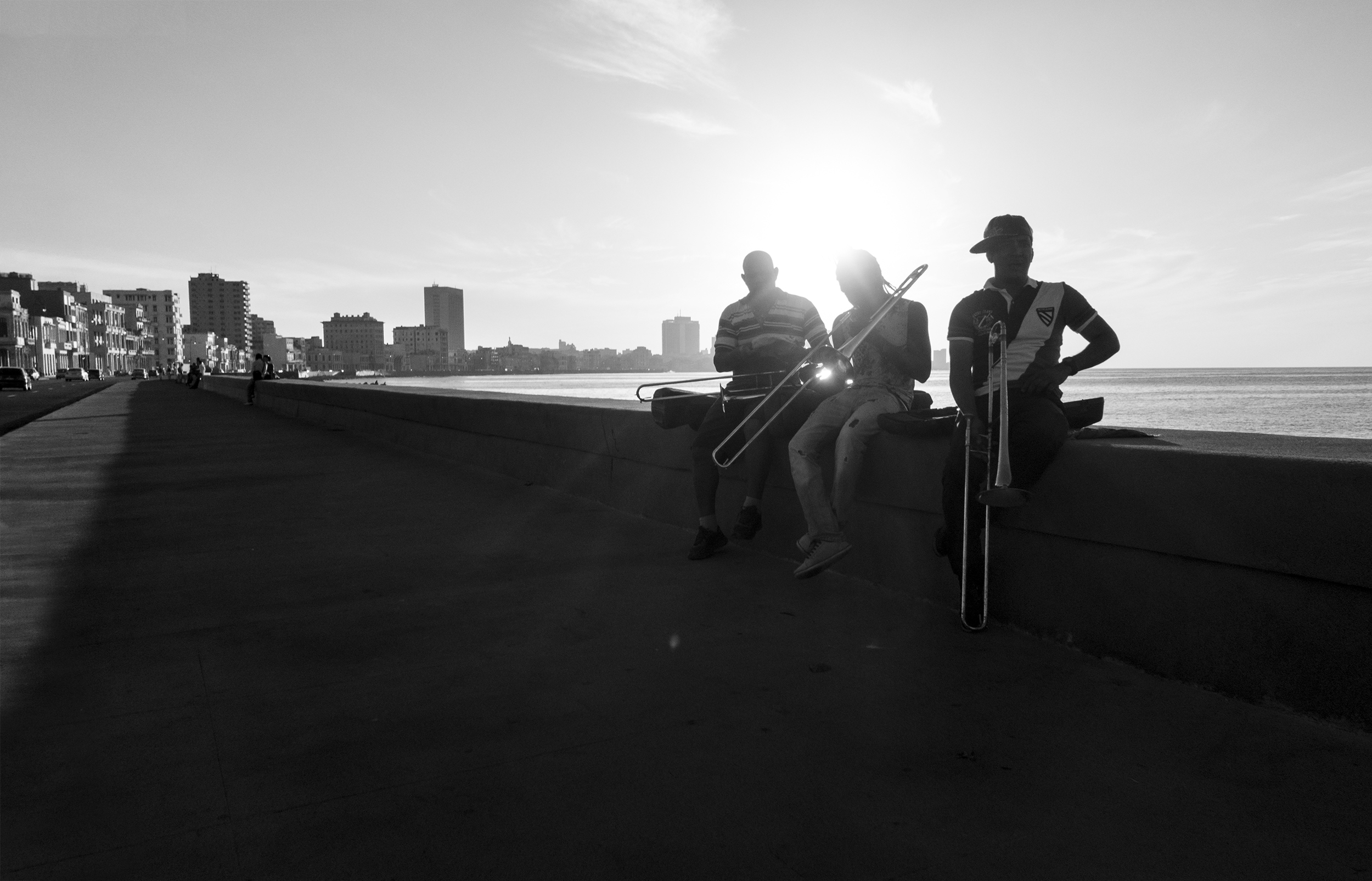
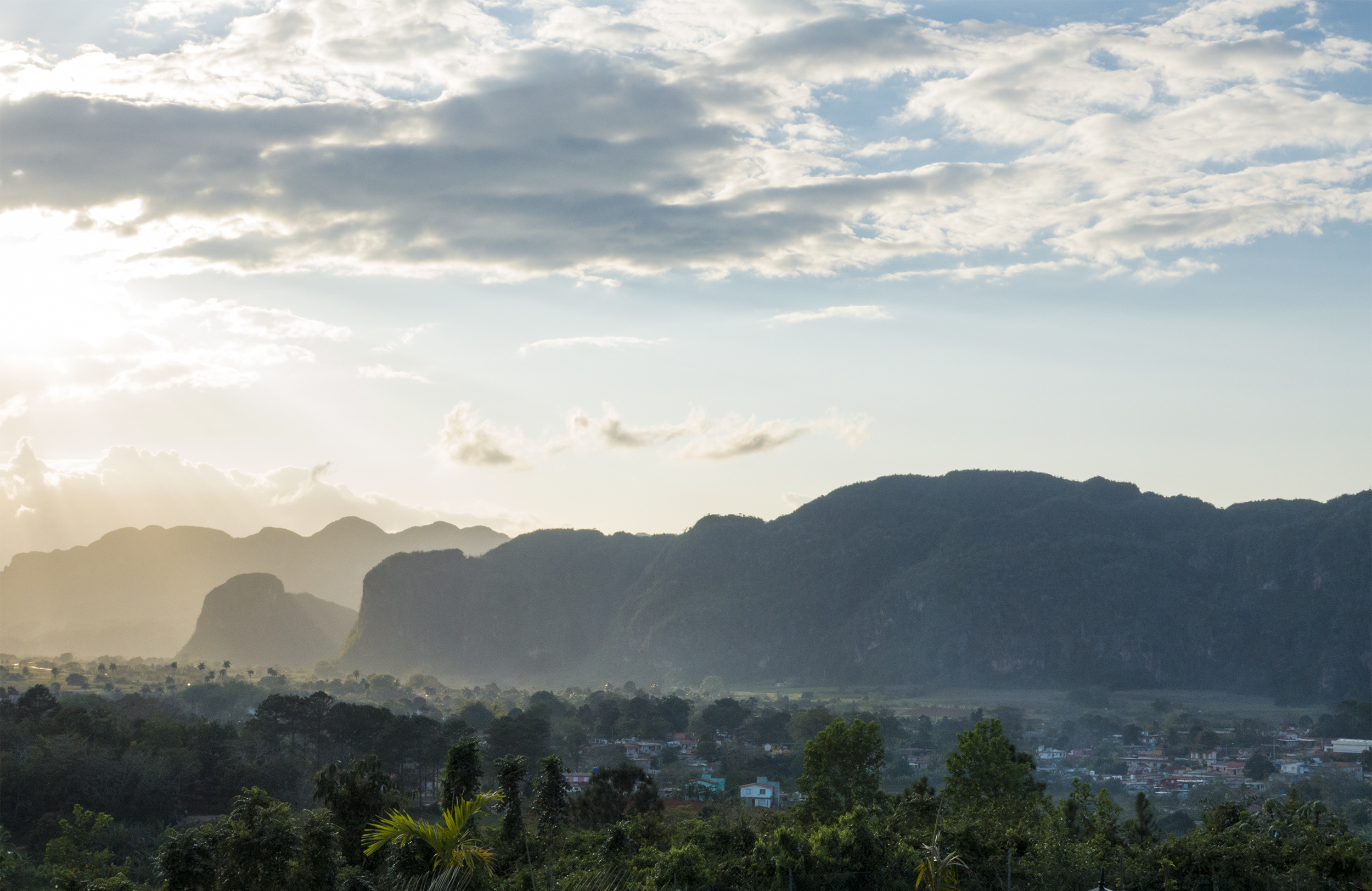
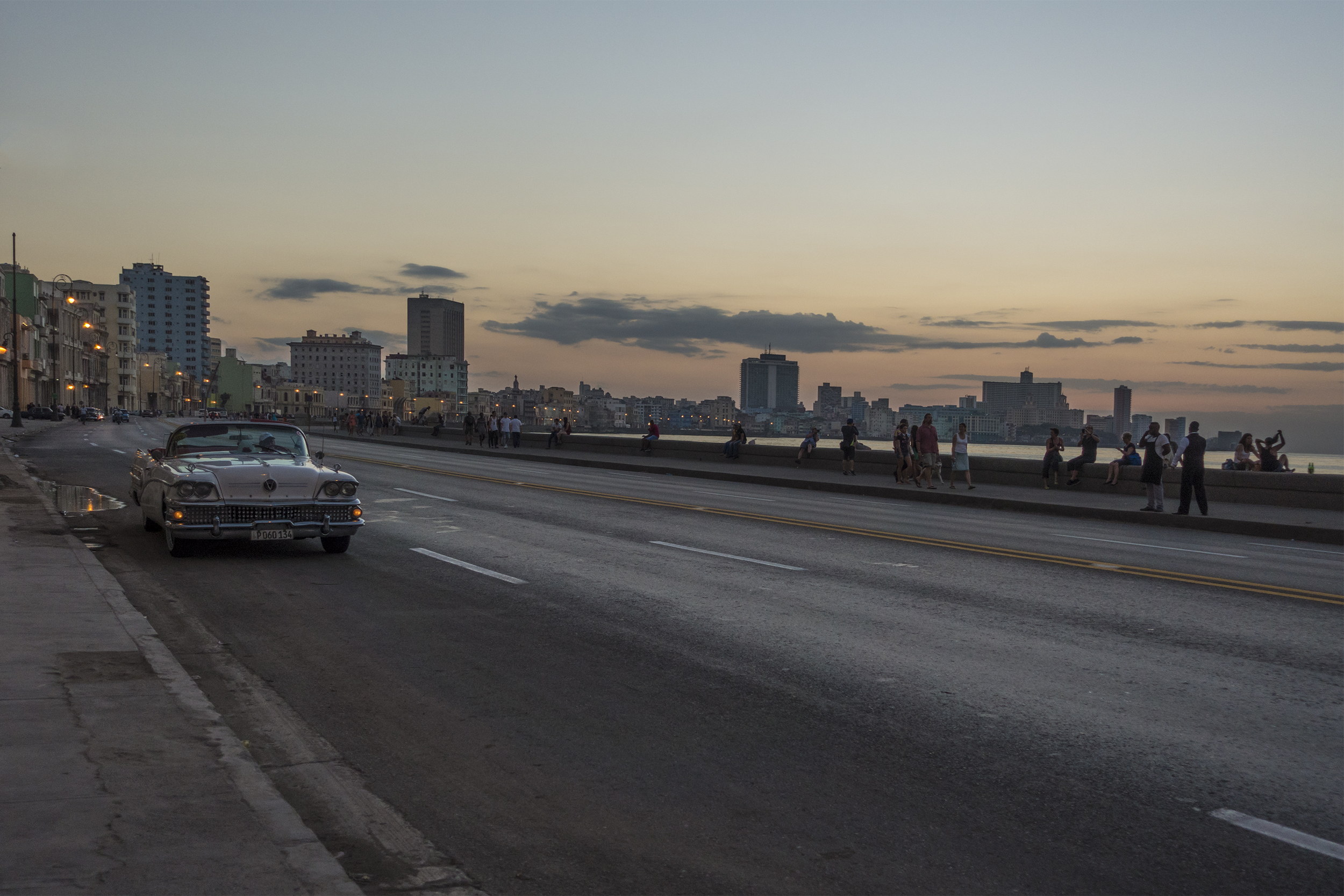
Reunited with our luggage, we were able to take an excursion to the nearby town of Viñales the next day. It was a beautiful escape from Havana, in which we rode horses through a national park, learned about the cigar industry, and relaxed by a pair of pools overlooking the stunning valley below. By the time we returned to the big city two days later, we only had time for a quick stop at Ernest Hemingway’s beautifully preserved estate, dinner, a few drinks, and one last stroll along the Malecón - Havana’s picturesque waterfront. It was all over in two strokes of a ’57 chevy.

My head is swirling with thoughts about Cuba. It is a photographer’s dream - although it was awkward to see so many devices at work documenting a city whose charm lay largely in its rejection of consumerism - and a philosopher’s playground. I won’t bore you with my political and ethical musings, except to say that Cuba was a perfect reminder of why I travel - for the thrill of finding common ground with people whose lives are starkly different. It sits atop a long list of highlights over the past year. 

Thursday 03.17.16
Posted by Bradley Basham
 

Danny

DSC01481.jpg

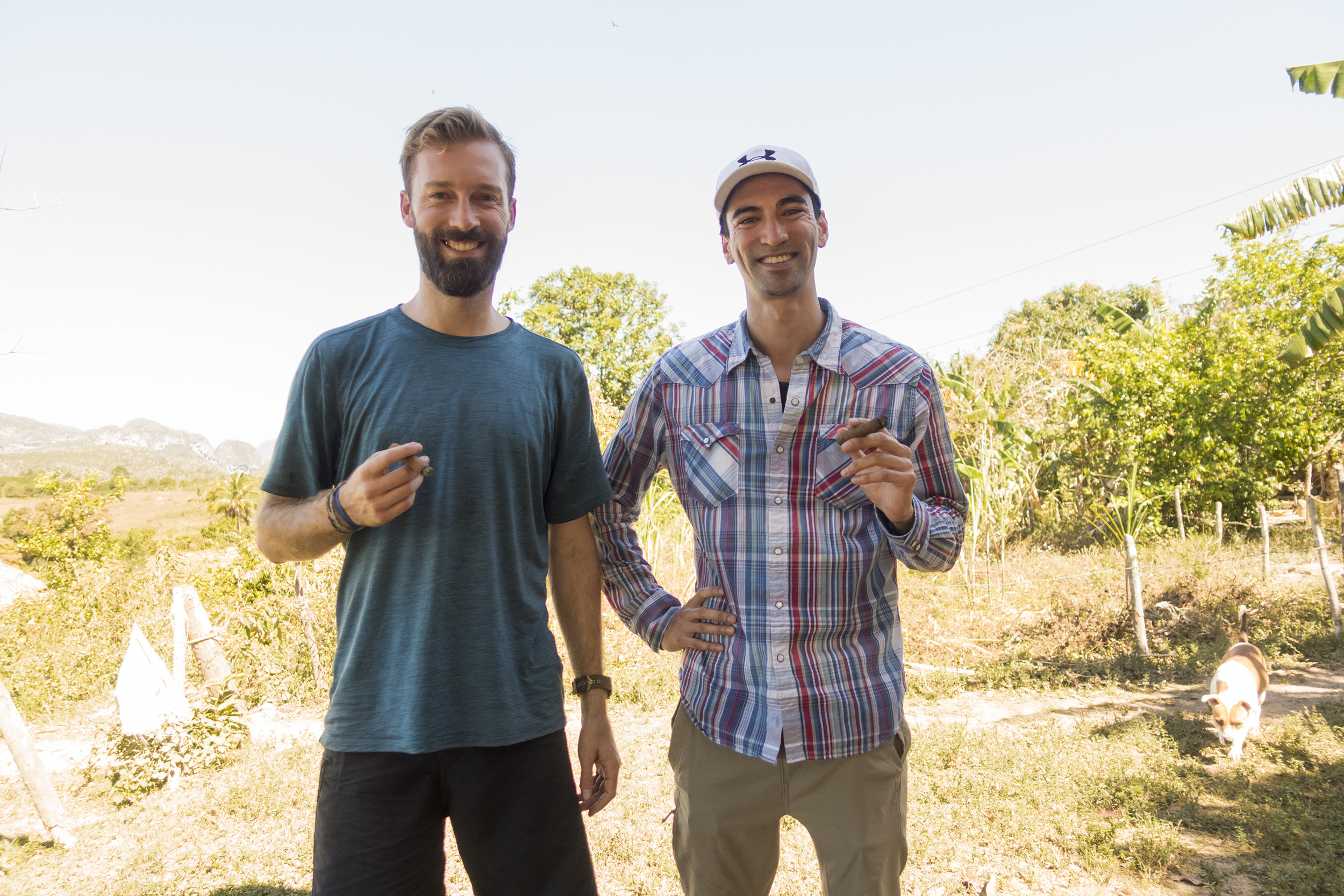
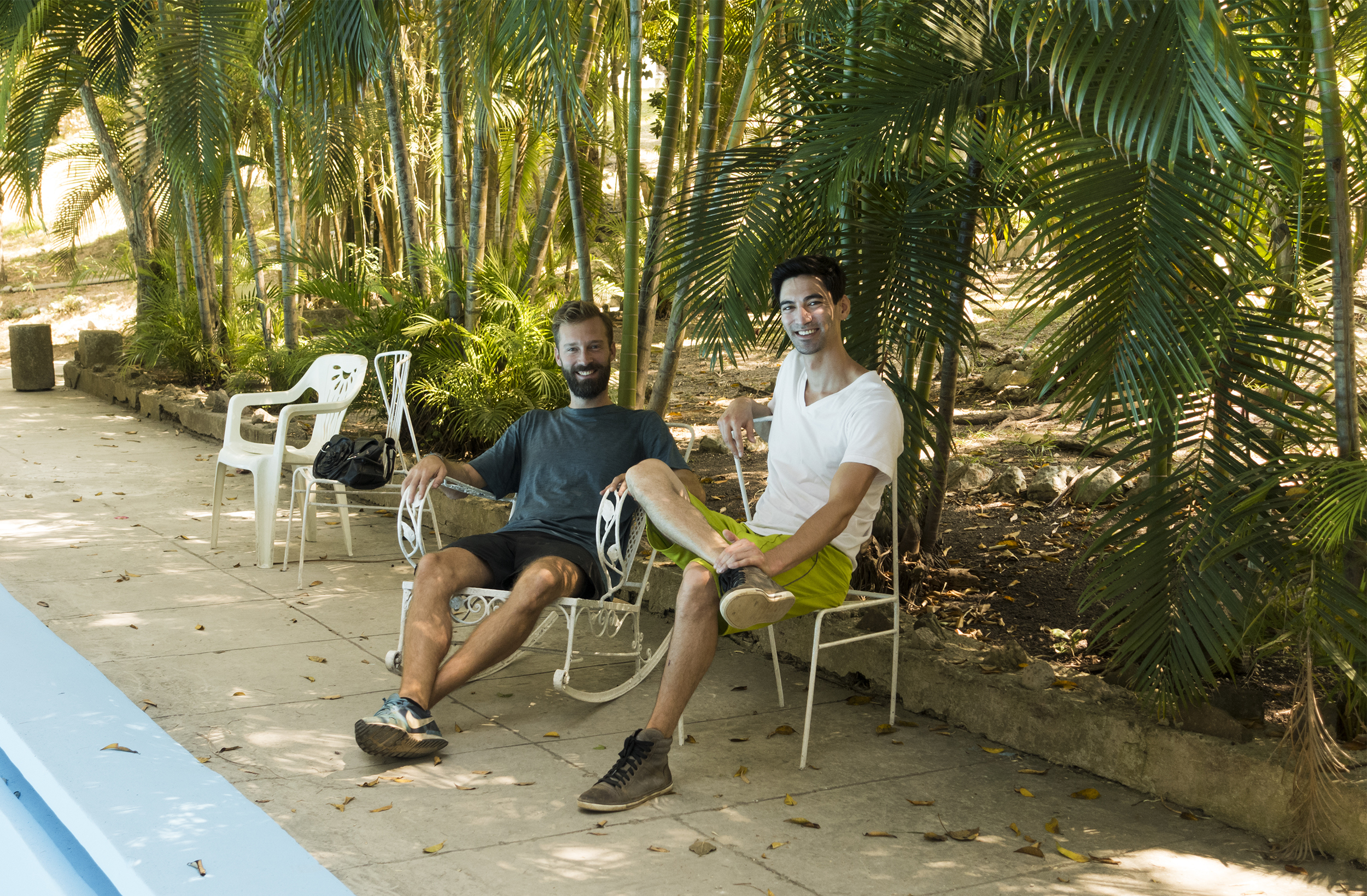
Danny is an old acquaintance and a somewhat recent close friend. He graduated from Catlin Gabel High School a year after I did - a Darién Gap at that age. We first bonded over basketball - probably riding the varsity pine - and he wrote in my last yearbook that he thought we shared a profound respect and passion for the game.

In school Danny was an overachiever - an accolade towards which I couldn’t even aspire - and an unpretentious intellectual who was able to assimilate with immature teammates on long road trips. Now, he is a Chinese translator and interpreter, an aspiring novelist, and an occasional model. Basketball remained the foundation of our friendship for many years, until he began escaping the Portland rain by spending a couple weeks on my couch in sunny Los Angeles every winter.

He emailed me in January, soliciting ideas for a short visit in mid March, and didn’t hesitate when I suggested Cuba. We eventually settled on an 11 day itinerary: a week in and around Havana bracketed by a few days in Panama City. After a bit of research, we recognized Cuba was more appealing as an experience than as a checklist of sights, and that apart from the historic Canal, Panama City offers little more than a Hard Rock Cafe and a Trump Tower. So we planned a vague and spacious itinerary, with plenty of time for Cohibas, Havana Club, and the opening round of March Madness.

Tuesday 03.08.16
Posted by Bradley Basham
 

Medellin

Medellin_Downhill.jpg
DSC01445.jpg

A month in Medellin was a bland medley of work, exercise, relaxation, and sleep, with dashes of pornography, alcoholism, violence, cocaine, prostitution, tragedy, and infidelity. I hope it goes without saying that I was more often witness than participant, but I’m going to remain vague lest I implicate myself or the people I now call friends any further. Regardless, it was both spectacularly boring and uniquely memorable. 

I avoided hostels, opting for three AirBnB apartments instead, which limited my social circle but benefited my spanish. I made some good friends nonetheless, and always had someone to share a beer with when I wanted it - which was often. I was hoping to recharge, and ready myself for a final push through central America. It wasn’t exactly the restful month I thought it might be, but I left anxious to travel. 

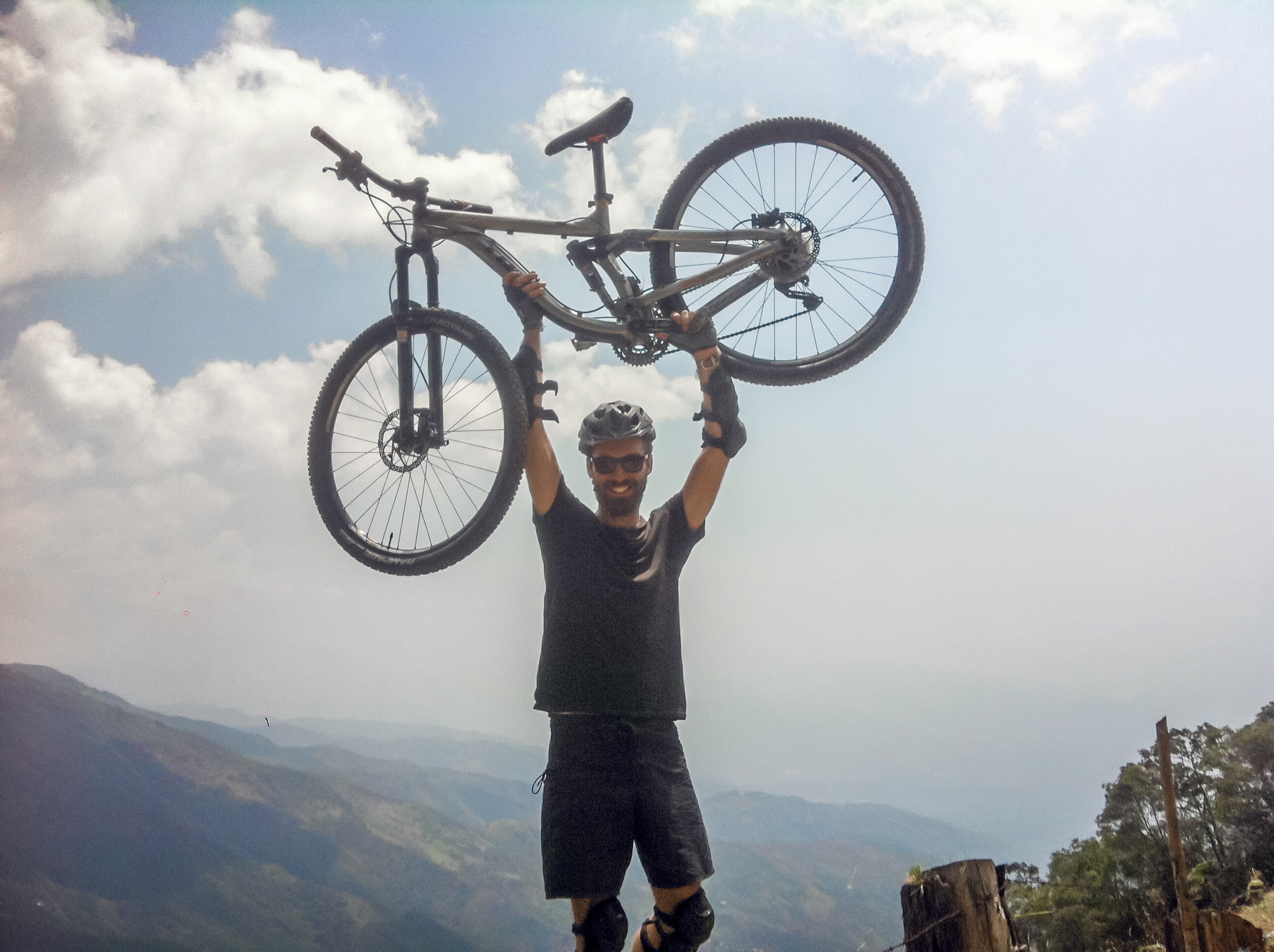
There were plenty of highlights, including a challenging day of mountain biking, an excellent museum, and some ordinary things like movies (Deadpool!) and good food. But after a month, I can officially say that I prefer Bogota, which seems to make me something of an anomaly. Still, it’s easy to imagine myself spending more time in Medellin. I took a taxi to the airport and narrowly caught my flight to Panama. I looked out the airplane window and bid farewell to South America. 

Monday 03.07.16
Posted by Bradley Basham
 

Villa de Leyva and Bogota

DSC01144.jpg
DSC01162.jpg
DSC01205.jpg
DSC01200.jpg

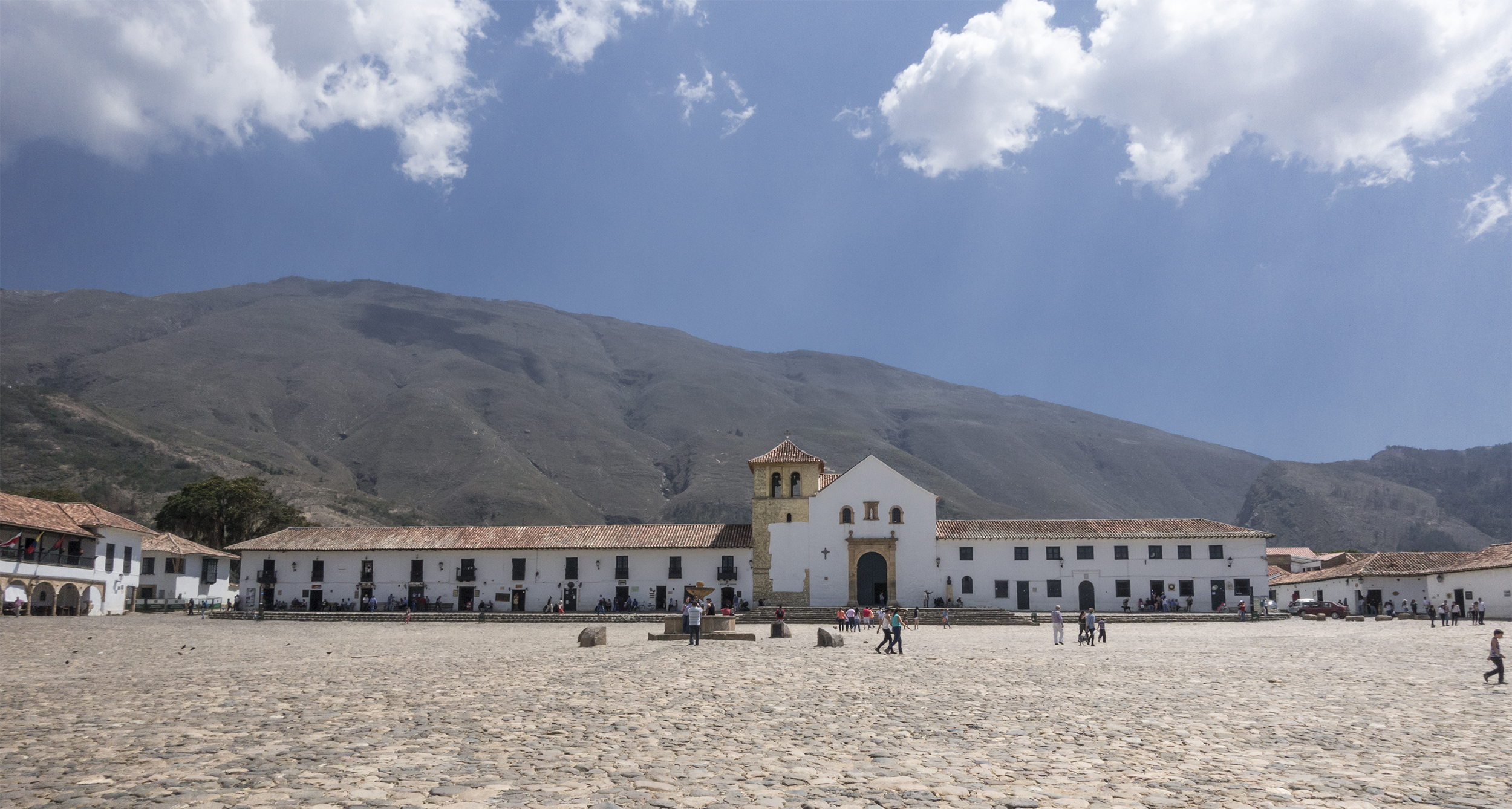
Villa de Leyva is the most well-preserved colonial town in Colombia - a museum of cobbled streets, white stucco walls, and tiled roofs. I spent an enjoyable and unremarkable three days there. Interestingly, I left on January 24th - with exactly a year of travel in the rear-view. On the horizon was a few weeks of rest, work, and anti-tourism in places I’d already visited, before heading to Central America.  In other words, Villa de Leyva was the last item on my South American checklist, meaning it took me a neat 365 days to get through the continent.

I pulled into Bogota for one last time, having spent the previous three-and-a-half months in 46 different beds, hammocks, and bus seats. I was excited for a few weeks of R&R - albeit amidst the chaos of Bogota and the pulsing nights of Medellin.

Bogota was just what I needed. A lazy week of familiar faces and places, with a small dose of culture - namely a classical piano concert, a mediocre museum, and some nice restaurants. On the opposite end of that spectrum, I accompanied a friend to a beauty clinic, because she’d asked that I tag along to translate and ensure that she got just the right amount of Botox (my suggestion of none was ignored). It wasn’t exactly how I wanted to spend five hours of my last Friday in Bogota, but no trip to Colombia would be complete without visit to the ol’ plastic surgeon.

All too quickly, it was time for a tough goodbye, and I boarded a plane to Medellin.

Monday 02.01.16
Posted by Bradley Basham
 

El Cocuy

DSC01083.jpg
DSC01071.jpg
DSC01109.jpg
DSC01095.jpg

I could actually see the glacier capped mountains of Sierra Nevada El Cocuy from San Gil, but thanks to indirect and unpaved roads, it took 13 hours to get there. It was a sleepless overnighter, obviously, so I spent much of the first day napping in my room.

The following day, I wandered around the sleepy town of Güicán and eventually found my way to a pair of government offices, where I spent three hours sorting out the permits necessary to enter the adjacent Parque Nacional. The ranger that was helping us was exceptionally friendly, but the administrative nonsense gave me a new perspective on the US Forest Service. It also afforded me the time to make some new friends, a friendly group of Bogotanos with whom I would share the costs of park guide and transportation. Together, we watched the ranger struggle with paperwork as night loomed and a city wide power outage wanted to become relevant. The lack of electricity seemed to have little effect on the process, but I was amused to see such an antiquated system illuminated by smartphone.

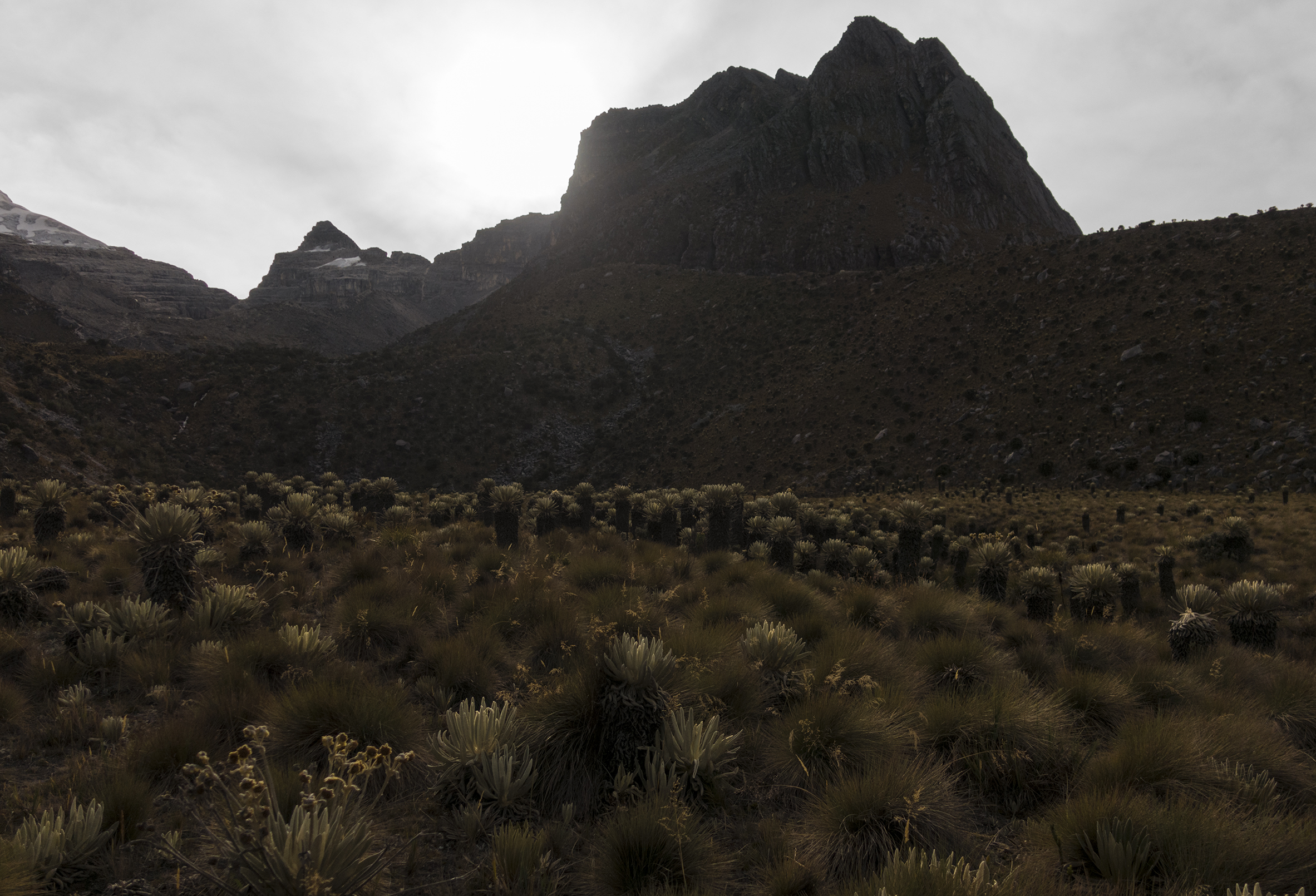
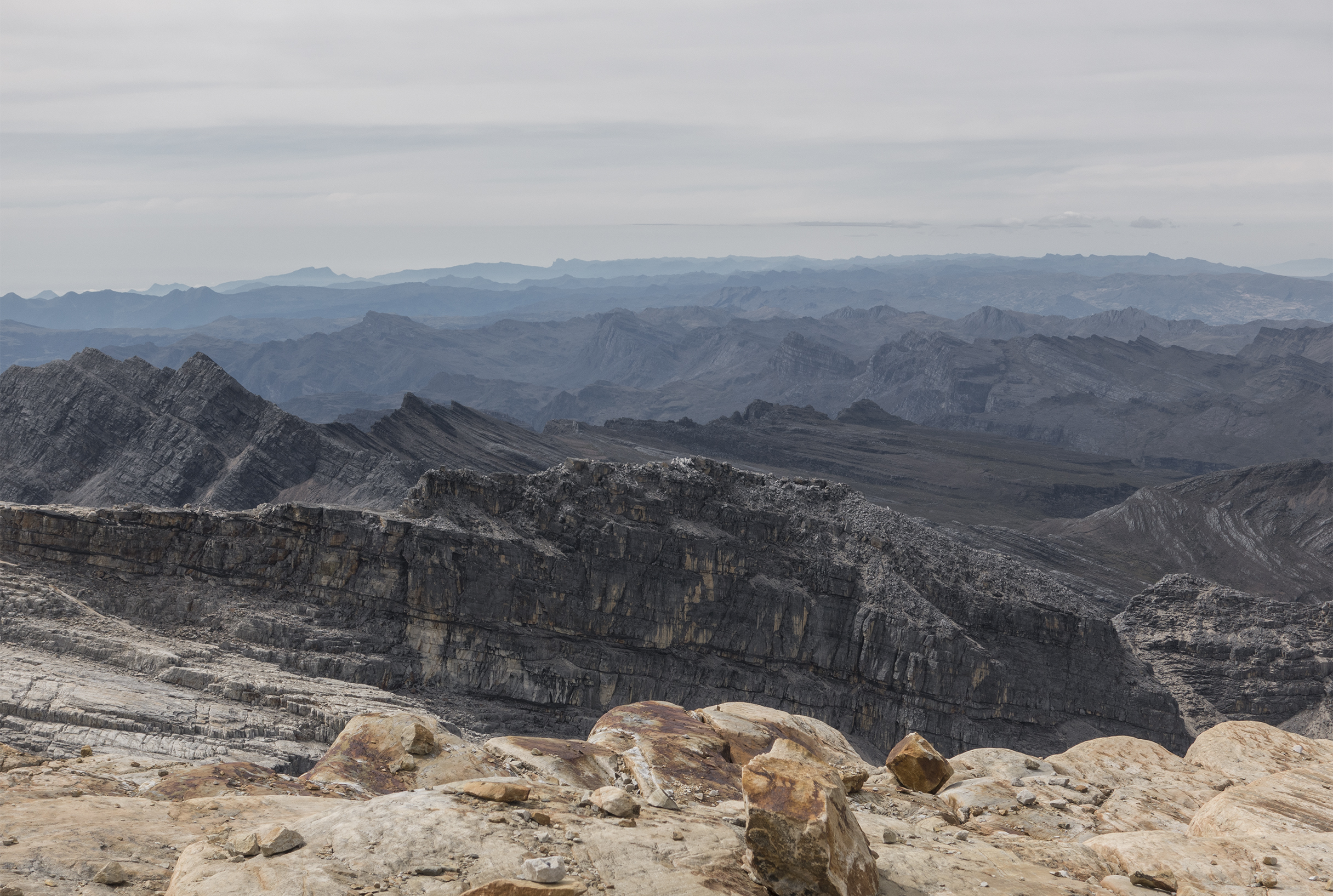
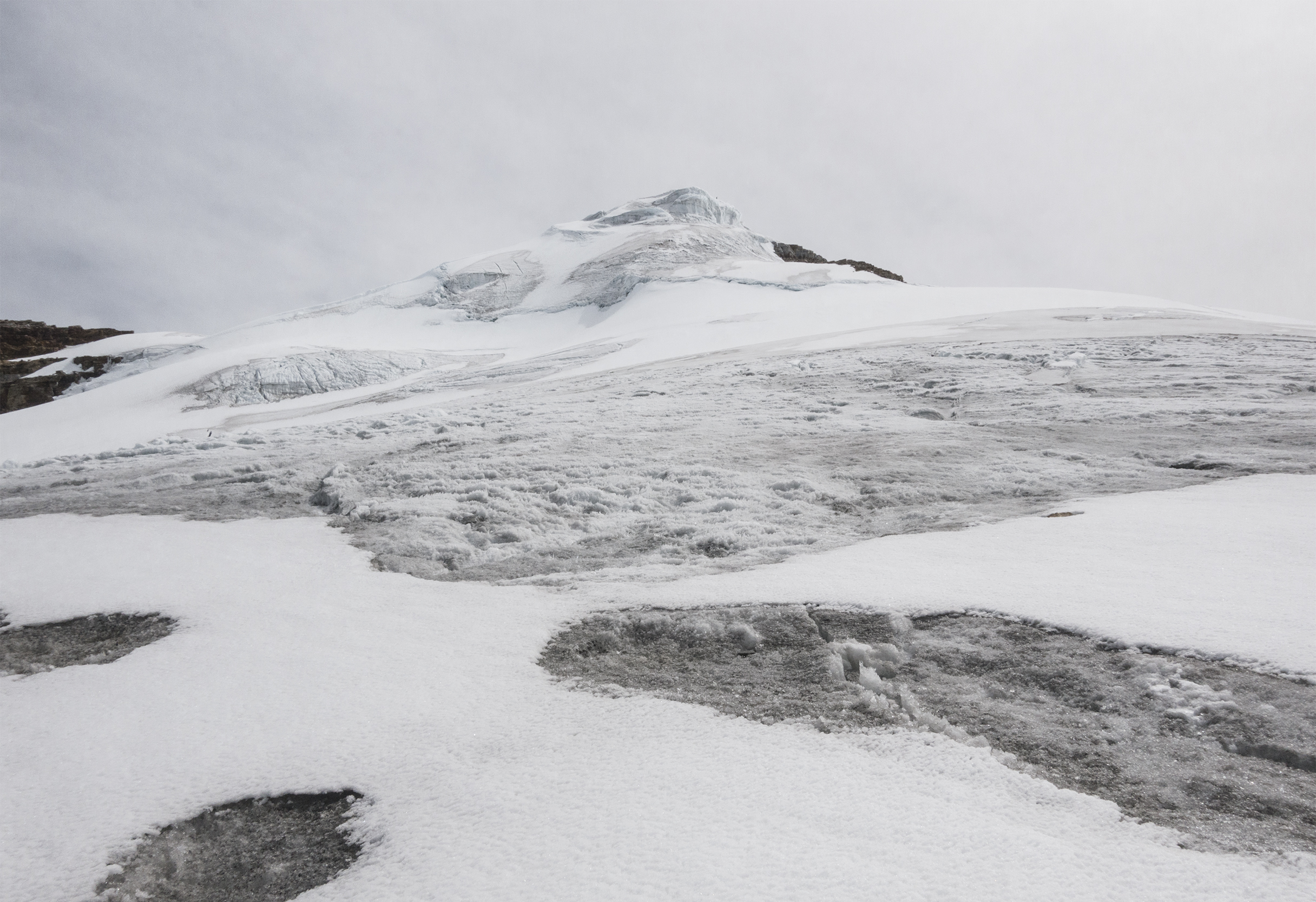
The next day provided solid evidence that I’ve spoiled myself rotten over the last year. It was a strenuous hike to the foot of a glacier, from where I could gaze upon the unending valleys and towering peaks of a massive swath of eastern Colombia. It was spectacular, but I was strangely disappointed. It is still one of the most beautiful places I have visited, but is somehow less-most-beautiful than other places I’ve been recently.
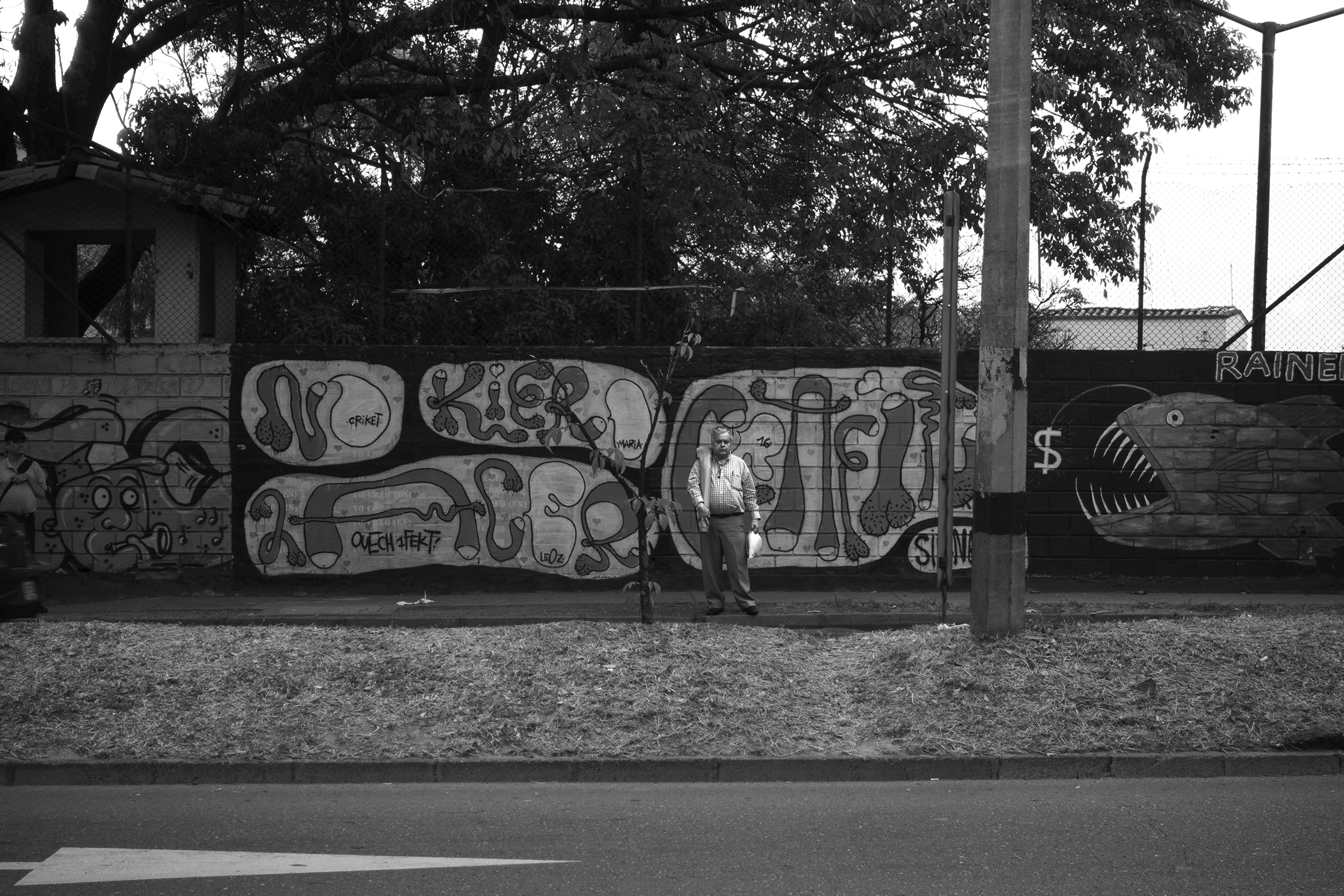
So, rather than hiking again in the park, I spent the next day with the Bogotanos drinking beer and soaking sore muscles in the nearby thermal baths.  It was a fun day with hardly a gringo in sight; an off-the-beaten-track experience that made me appreciate the effort I’ve put into learning spanish. 

Friday 01.22.16
Posted by Bradley Basham
 

San Gil

DSC00838-2.jpg
DSC00804.jpg
DSC00812.jpg
DSC00788.jpg
DSC00896.jpg
DSC00974.jpg
IMG_4900.JPG
IMG_4926.JPG

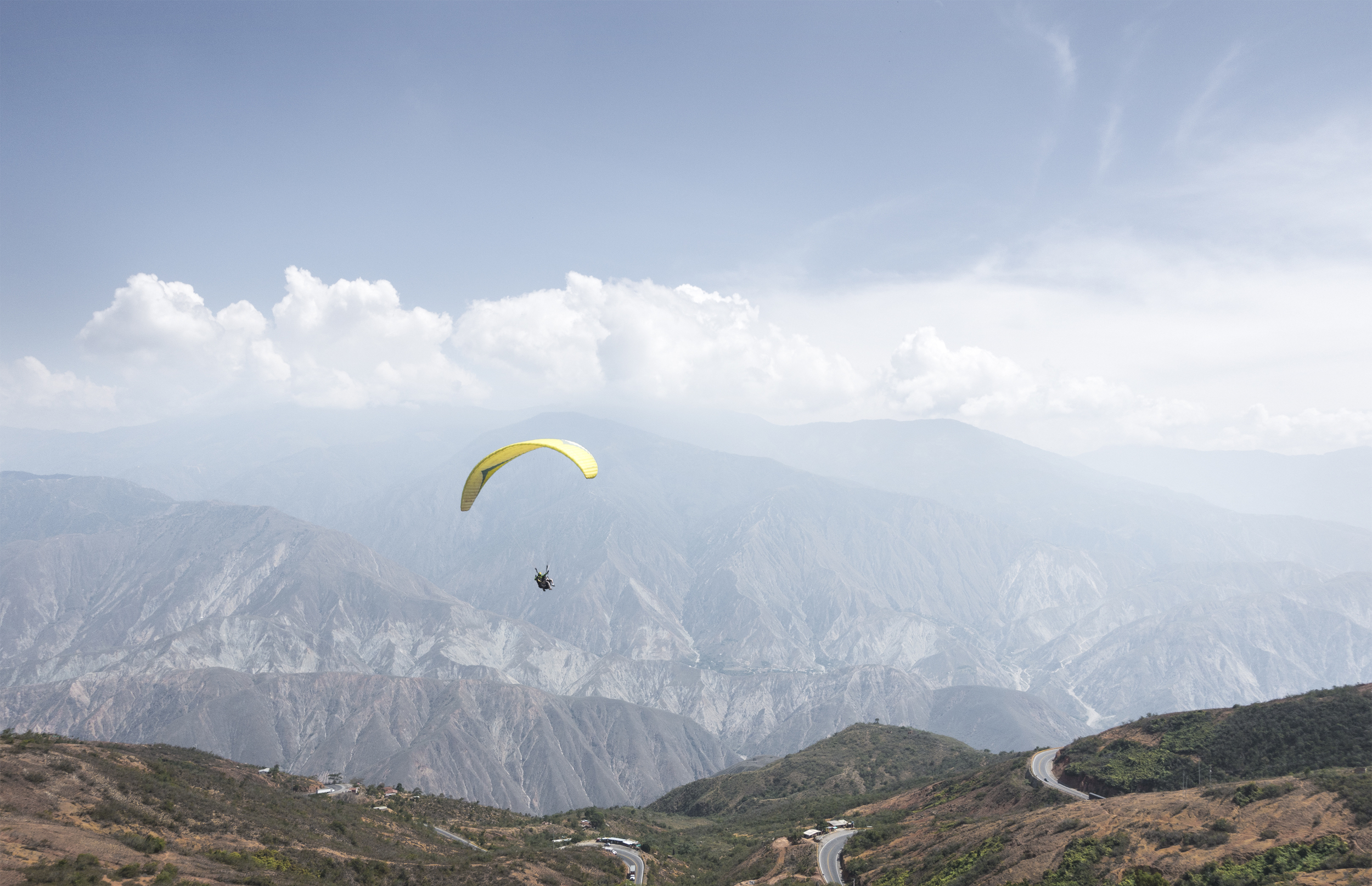
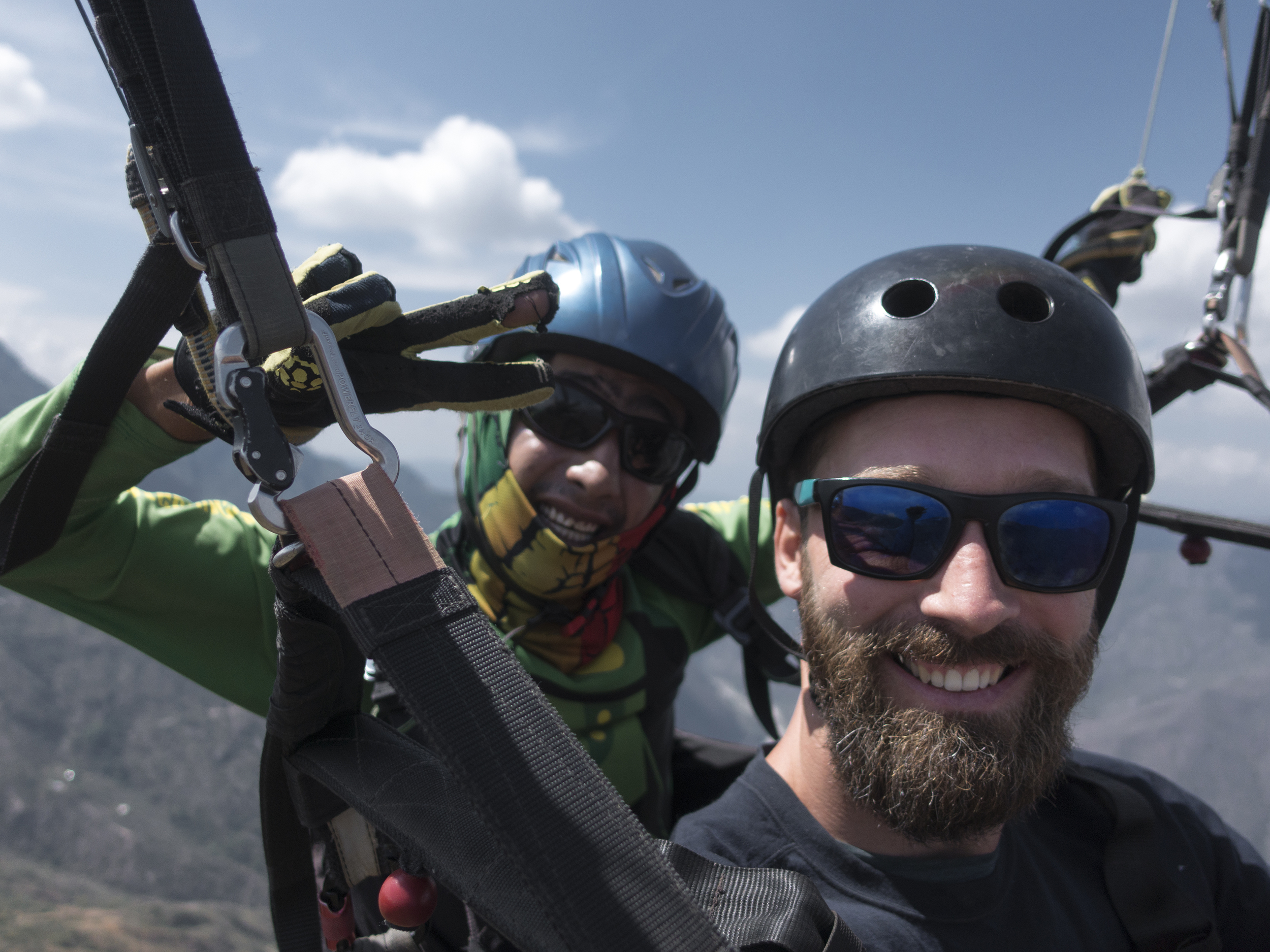
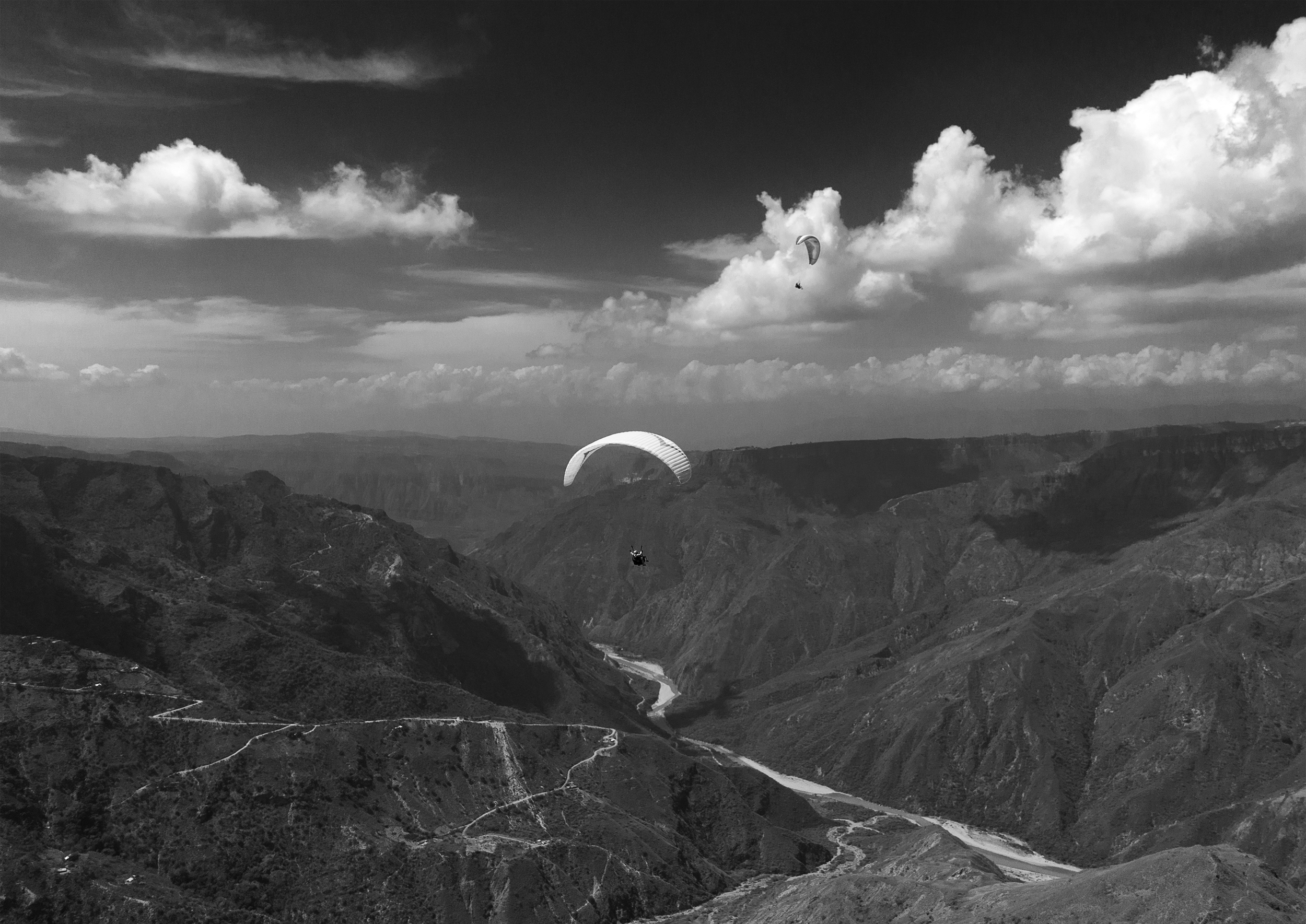
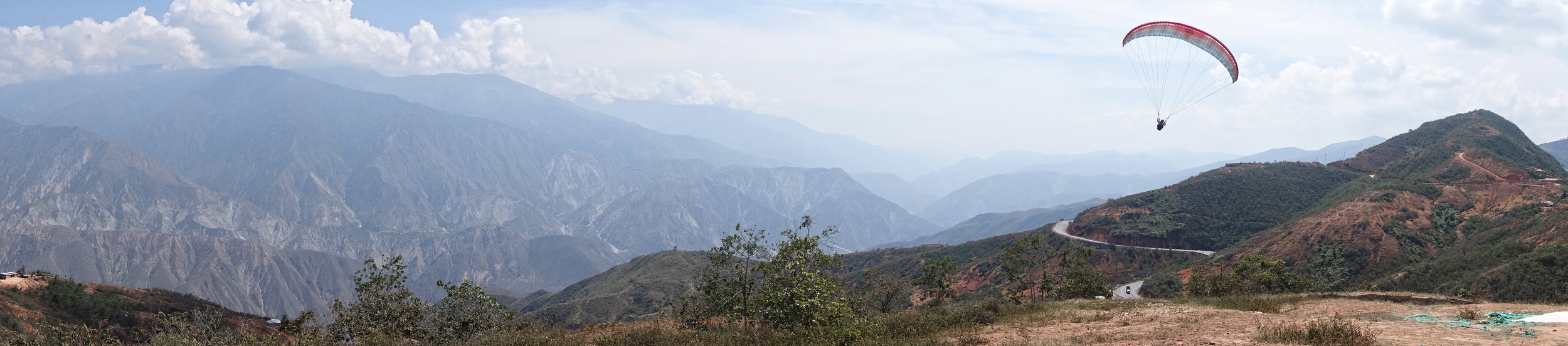
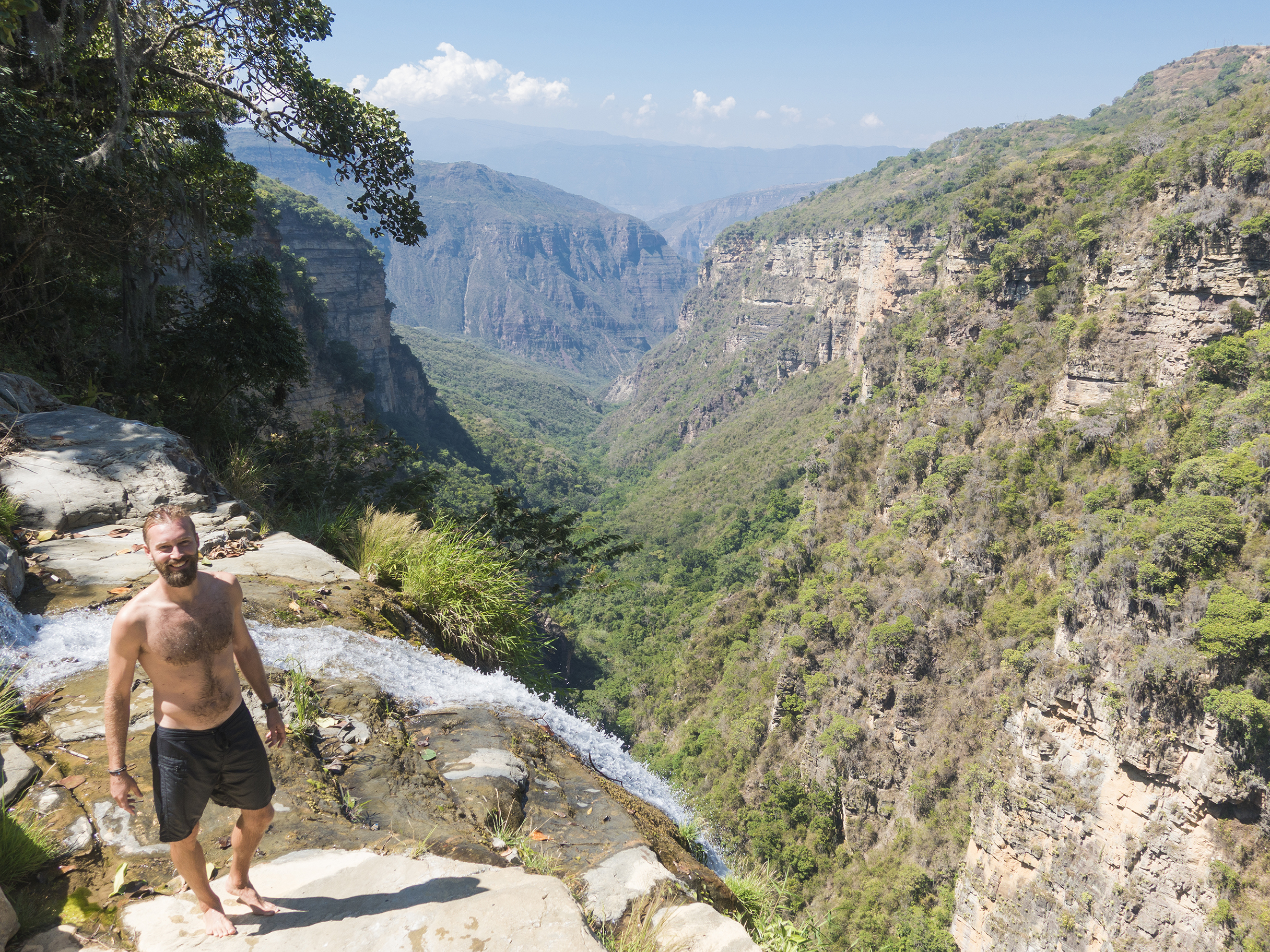
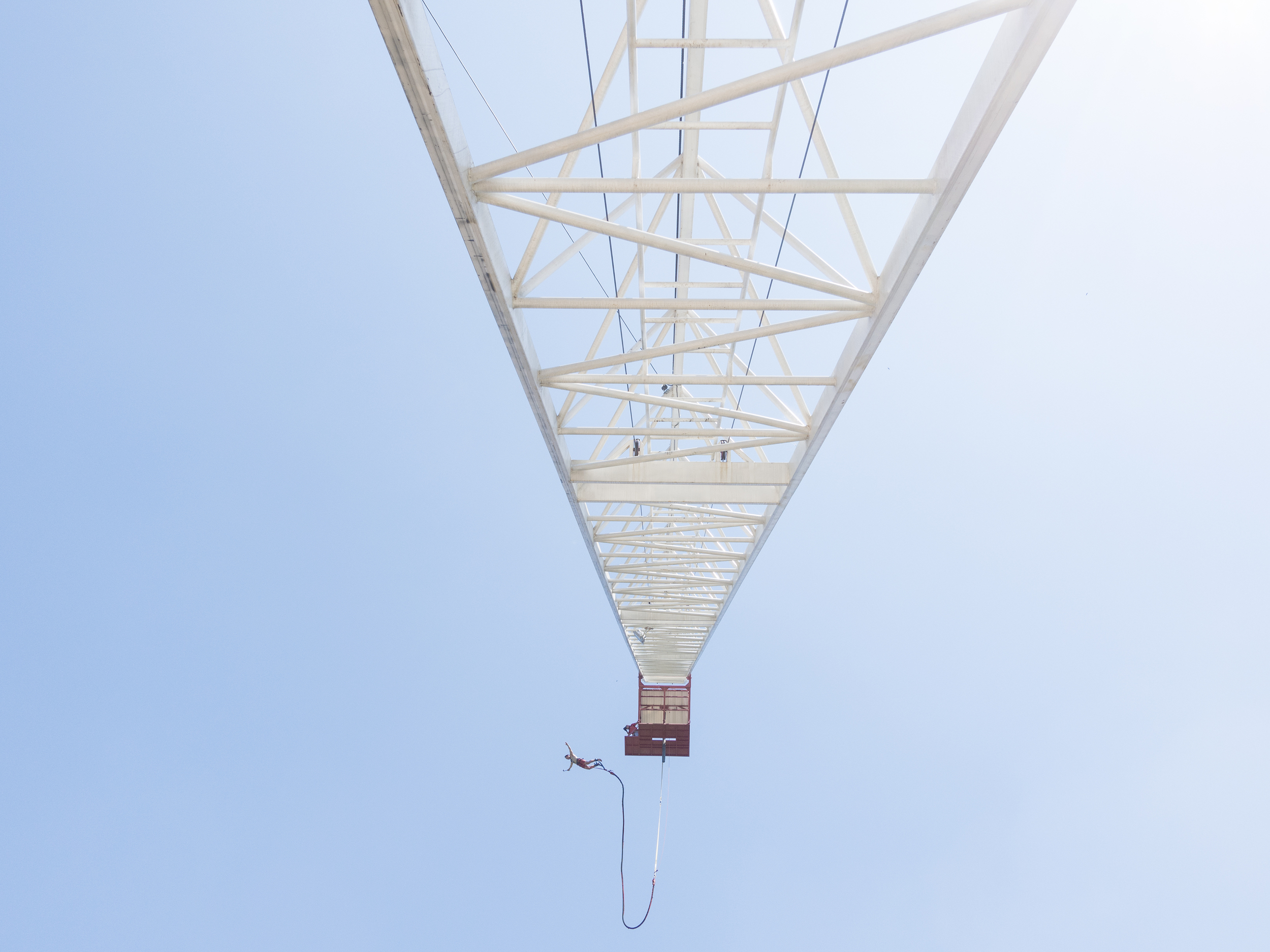
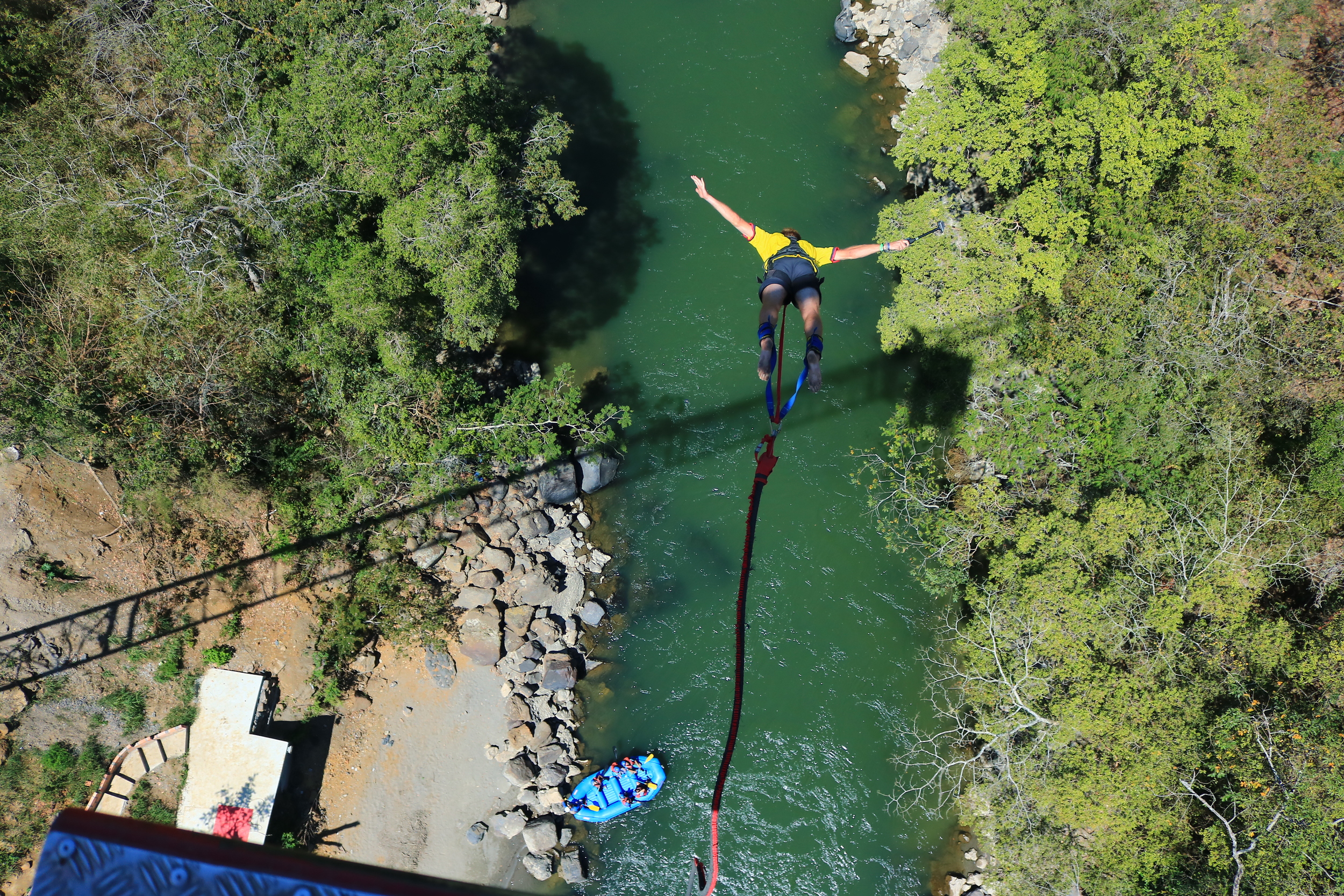
San Gil is the action sports center of Colombia. I arrived anxious for river rafting and mountain biking, but quickly learned that it was the wrong season for rafting, and that the mountain biking was overrated. I got parasailing, bungee jumping, and a pair of spectacular hikes instead. Riding thermals high above Chicamocha Canyon left me weak in the knees, but awestruck. As a bonus, I met a friendly group of Brits in the idle hours driving to the launch site and waiting for our chance to fly. They had previously befriended a tour guide, who agreed to take them to his favorite swimming hole on his day off, and I was lucky to get an invite. The next day, we piled into the back of his pickup, drove for an hour on a narrow gravel road sandwiched between family farms, and hiked for 30 minutes to arrive at somewhat of a local secret. This place, devoid of tourists, was among the most beautiful and peaceful I’ve ever seen.

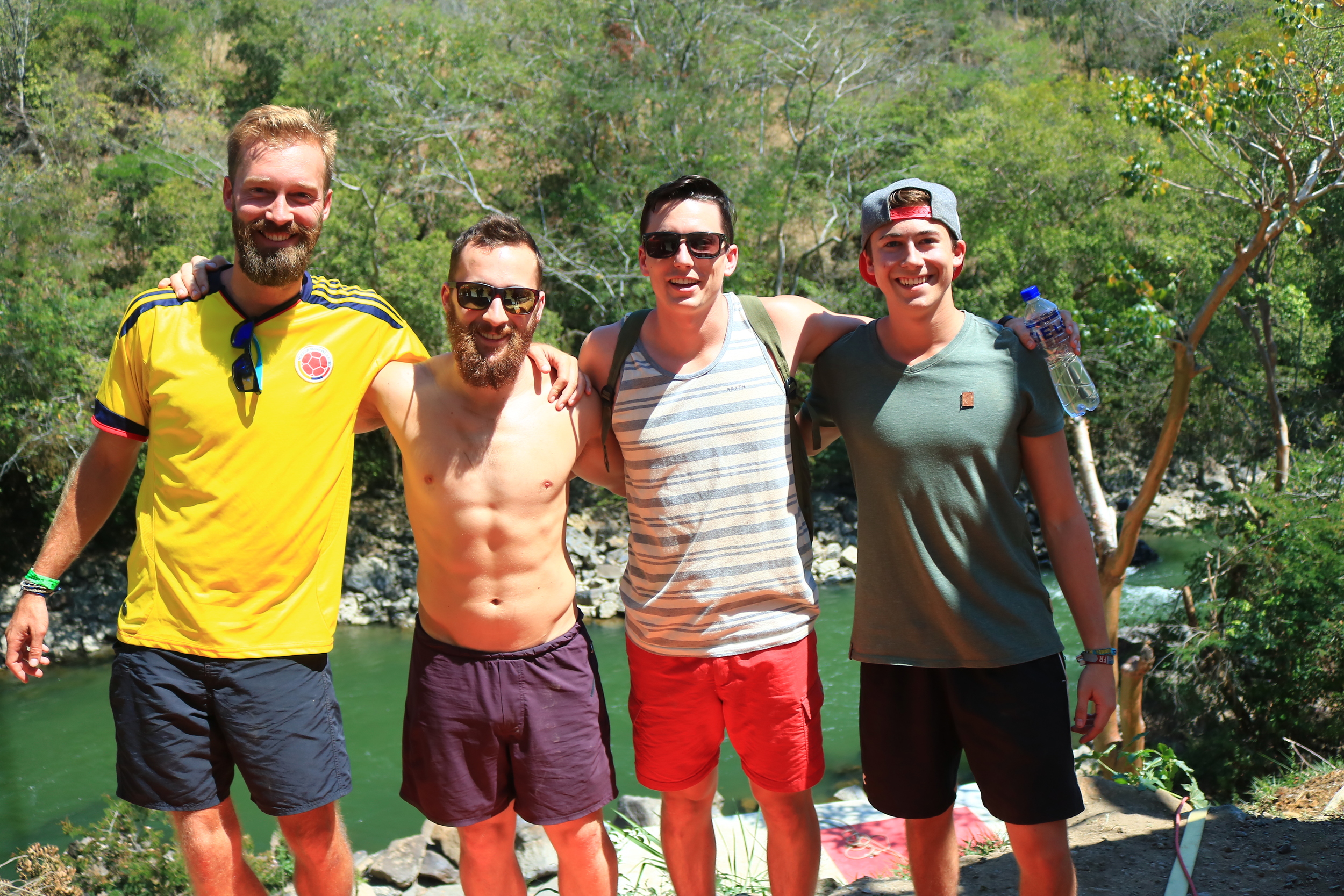
The Brits left, and I spent the next few days with a pair of Canadians, Kyle and Kendall, exploring waterfalls, bungee jumping, playing pool, and coping with something of a con artist. Thanks to the latter, I’m now the not-so-proud owner of a worthless watch I never wanted, which was left with us as collateral for a beer and dinner debt accumulated by a sketchy but friendly local. It wreaked of a scam all along, but there was never a polite out, and the stakes were low. It was frustrating, but if that’s the worst that happens to me in a year in South America, I’ll have to count myself as extremely lucky.

Monday 01.18.16
Posted by Bradley Basham
 

Palomino and Santa Marta

After the La Guajira tour, we were deposited in the laid-back beach town of Palomino. It was bursting at the seams with Argentinians and Colombians visiting for an annual music festival, and I was lucky to find a bed after two hours of searching. The highlight of a couple days there was floating down a lazy river in an inner tube. I drifted from a monkey filled jungle to the warm waters of the Caribbean Sea, a tropical twist on a favorite pastime from the hottest days of an Oregon summer.
Next was Santa Marta, a transportation hub I expected to give no more than 24 hours. By all accounts, there is nothing to do or see there, which turned out to be exactly what I needed. I found a great hostel with a rooftop pool and bar, and spent three days barely leaving the terrace. As usual, good food, great people, and one fun night of drinking and dancing was more than enough to keep me happy. I was tempted to stretch the nothingness a bit longer, but the mountains were calling. 
Wednesday 01.13.16
Posted by Bradley Basham
 

La Guajira

DSC00606.jpg
DSC00611_Alt.jpg
DSC00626.jpg
DSC00674.jpg
DSC00682.jpg
DSC00709.jpg
DSC00743.jpg
DSC00736.jpg

After one last michelada in historic Cartagena, I bid Kevin and Rachel farewell. They kicked off an 18-hour Monday morning commute straight to their respective offices in LA, and I left for Santa Marta to meet up with three French girls I barely knew, for a four day desert tour I knew almost nothing about.

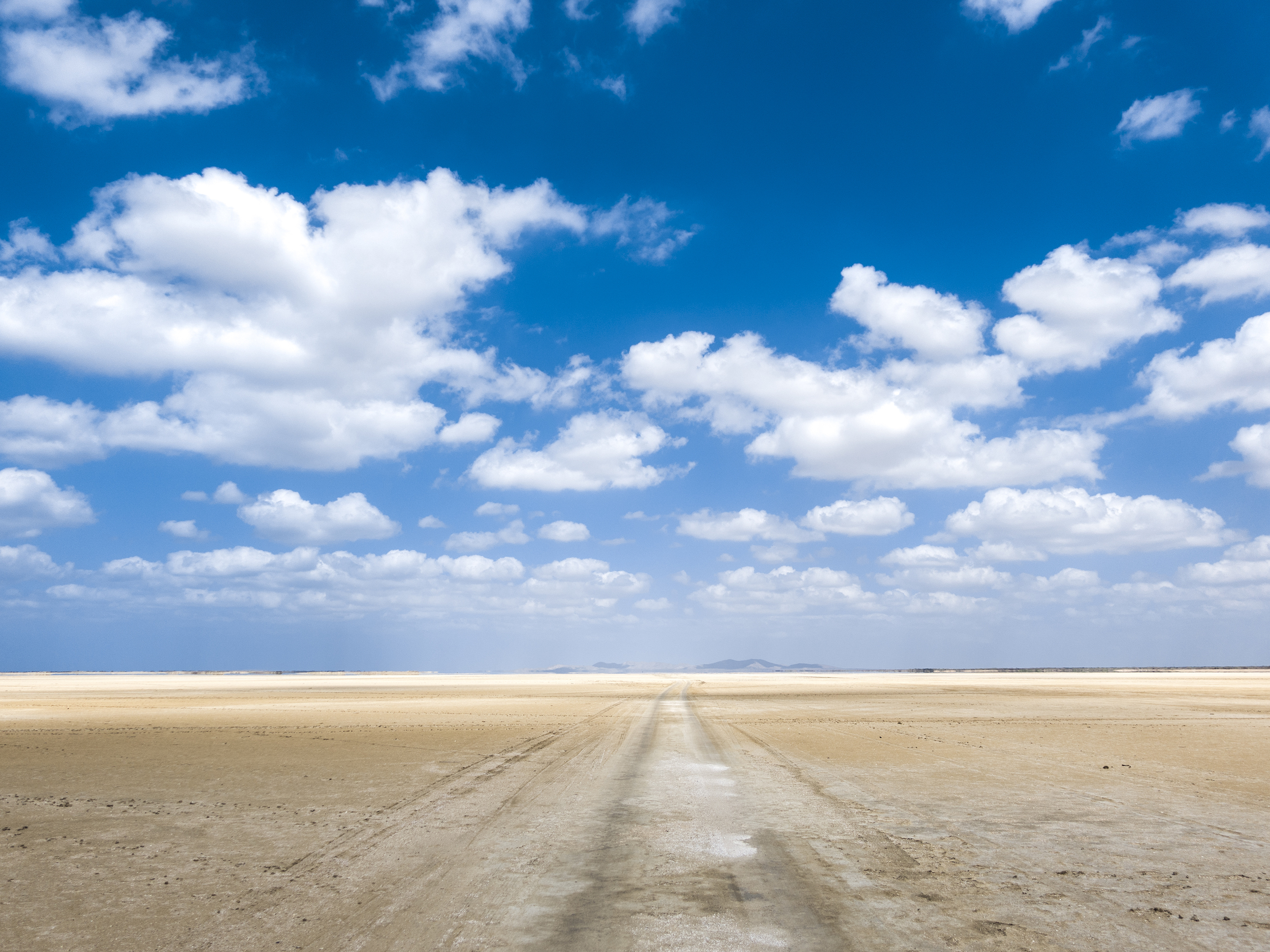
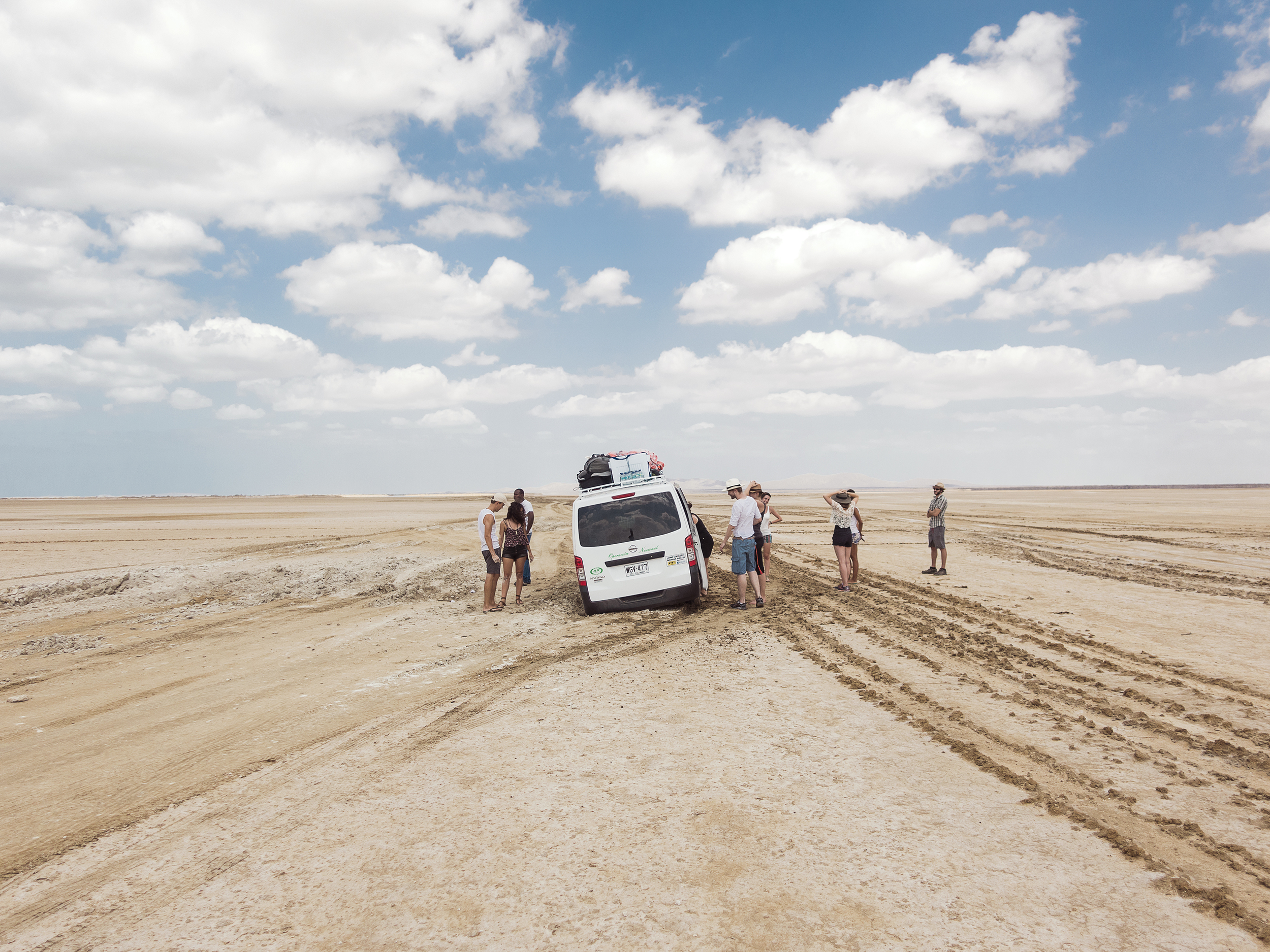
The next morning, I woke up at 4:00 am and piled into a van fit for children, with 12 other adults. Our “Jeep Tour” seemed to be missing one thing: a Jeep. This proved problematic. Twice on the first day we got stuck in the mud and sand, first stranding us in the middle of the scorching desert, later leaving us with a long, cold and dark walk to town from a remote beach. 

From the start, the tour was plagued by bad luck and mismanagement. The transportation problems continued, we’d paid for a private tour but joined a large group, and our experience with the locals was a mixed bag. At fault, generally, was our guide Bruno, a hotheaded former narco-trafficker, who’d done time in New Jersey for transporting cocaine to Miami. His four year sentence had been extended by 12 months for suggesting to the judge that his punishment was too severe, pointing out that he’d only wanted to “make Americans happy.”

La Guajira is an arid peninsula with a webbed network of dirt roads, and sporadic indigenous outposts. The Wayuu have maintained the same basic way of life for centuries, and haven’t yet learned how to capitalize on the influx of tourists. They do seem fond of extortion, however. Families hang ropes and chains across the road, and loiter in rickety shade structures waiting to trade passage for candy and money. They often accepted our offerings with a scowl, like entitled toll collectors on some ancestral road. It was fascinating, but a bit unwelcoming. 

Despite it all, I actually had a great time. The group was more of a blessing than a burden, mostly because the French girls, though sweet, were too quick to revert to their native tongue. Our guide was fun and friendly, as long as he wasn’t challenged. The Landscapes were unusual and beautiful. And I took satisfaction at dipping my toes in the northernmost waters of South America. So, when the girls managed to negotiate for a full refund, I refused half of it, deciding that a reduced price was more fair than a free ride. 

Thursday 01.07.16
Posted by Bradley Basham
 

2015

IMG_4059.jpg
DSC00600 1.jpg

Cartagena was a different city from the one I got to know in August with Lauren and Geoff. This time around, every hostel was overbooked, you could barely eat without a reservation, the streets were jammed, and the beach was more a patchwork of towels than a stretch of sand. But it was an interesting international crowd, and the city was was wearing its Sunday best for the holidays. 

The perfect New Year’s Eve is an elusive fruit. It’s a silly thing to reach for, but with so much potential - so many friends and so much energy, optimism, and alcohol - it’s hard to temper expectations. That was an especially difficult task in Cartagena, where the air was thick with anticipation.

Inevitably, there was no perfection, but it was a memorable celebration nonetheless. Fireworks over the Caribbean, dancing in the cobbled streets of the old town, toasting the stroke of midnight with an old friend. In truth, kissing 2015 goodbye was emotional. I’ve never seen a year like it and I’m not sure I’ll meet one again. It’s hard to imagine a day where I don’t look back at the last year as one of the best of my life.

I’m reminded of my step sister, Tasha, who loves to ask tough questions around the holiday dinner table. “So Bradley,” she’d ask, “what did you learn in 2015?” To speak Spanish, to SCUBA dive, to sleep in a hammock, and that my mom has a talent on the dance floor that she both hid from and failed to pass on to her children, for starters. 

But none of those answers would suffice. I hope this won’t sound hackneyed or trite. If it does, blame the fact that I’m writing from my seat on the tail end of yet another sleepless overnight bus, chugging along the rim of the spectacular Chicamocha Canyon. The views are so dramatic it’s hard not to be grandiose. But, Tasha, here’s your answer:

I remembered what happiness feels like.

That’s a tough thing to admit on two fronts. First, it feels gauche. Second, it paints an inaccurate picture. My life before this adventure wasn’t all thunderstorms and punts, and traveling hasn't been all gummy bears and sunshine. I still have lonely, confused, tired and overwhelming days, and a relentlessly uncertain future. But happiness isn’t just serotonin and smooth sailing. To me, now, it is the conviction that I’m doing exactly what I should be doing. And that feels good even on a bad day.

Friday 01.01.16
Posted by Bradley Basham
 
Newer / Older

www.bradbasham.com