• BRAD BASHAM
  • DESIGN + ILLUSTRATION
  • KEY ART
  • About
BRAD BASHAM
  • BRAD BASHAM
  • DESIGN + ILLUSTRATION
  • KEY ART
  • About

Puerto Ayora

2015.11.11-1234-PB110065-Seymour Daphne.jpg
IMG_9841.jpg
IMG_9863.jpg
IMG_9864.jpg

Jeanette and I disagreed on how to approach the Galapagos. We agreed that a five or six day cruise was the best way to see the islands, but she preferred to wait for last minute deals, and I was afraid of wasting a day sifting through limited options. In the end, we waited. And we were both right. The prices were lower, but we couldn’t find a departure that fit our schedule. Indeed, the first day was wasted trying to decipher cryptic cruise packages and disarm every variety of salesman. So I changed my flight, booked an eight day cruise leaving five days later, and spent the interim getting my open water scuba license. Ironically, Jeanette’s approach caused me to spend more money than I anticipated, but I ended up with an itinerary that seemed better than anything I’d have planned for myself in advance. To her credit, I got my eight day cruise for about the standard five day price.

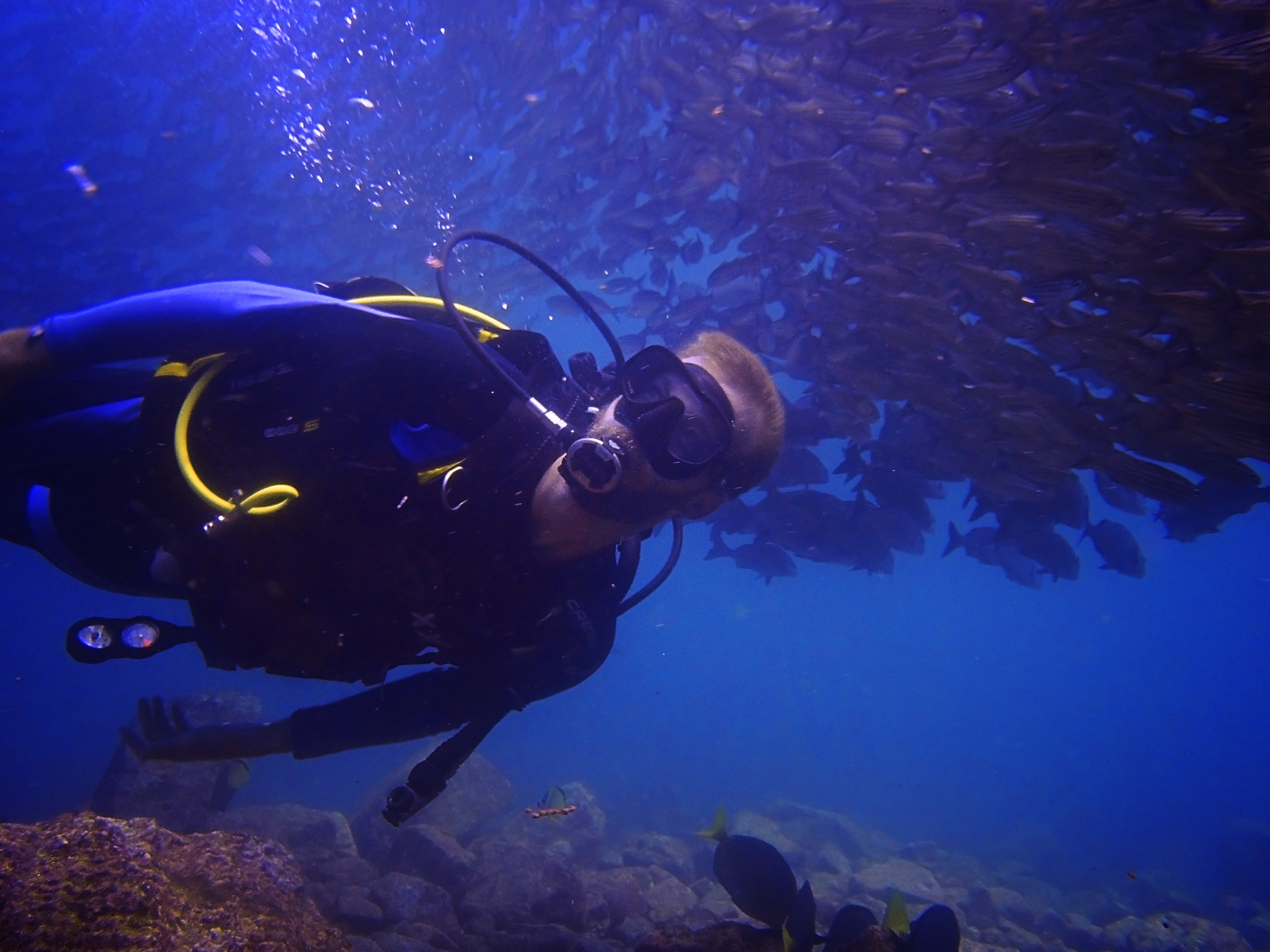
The SCUBA diving was was incredible. Unbelievable, really. After only 15 minutes of basic training, I was swimming under 45 feet of water with dozens of sharks and countless varieties of fish. I got four dives in, and each had a few memorable moments - like swimming through a shoal two million strong with a curious and playful sea lion. At another point, we were surrounded by hundreds of colorful fish, a few large turtles, a school of 20 hammerhead sharks and their escort of sting rays.

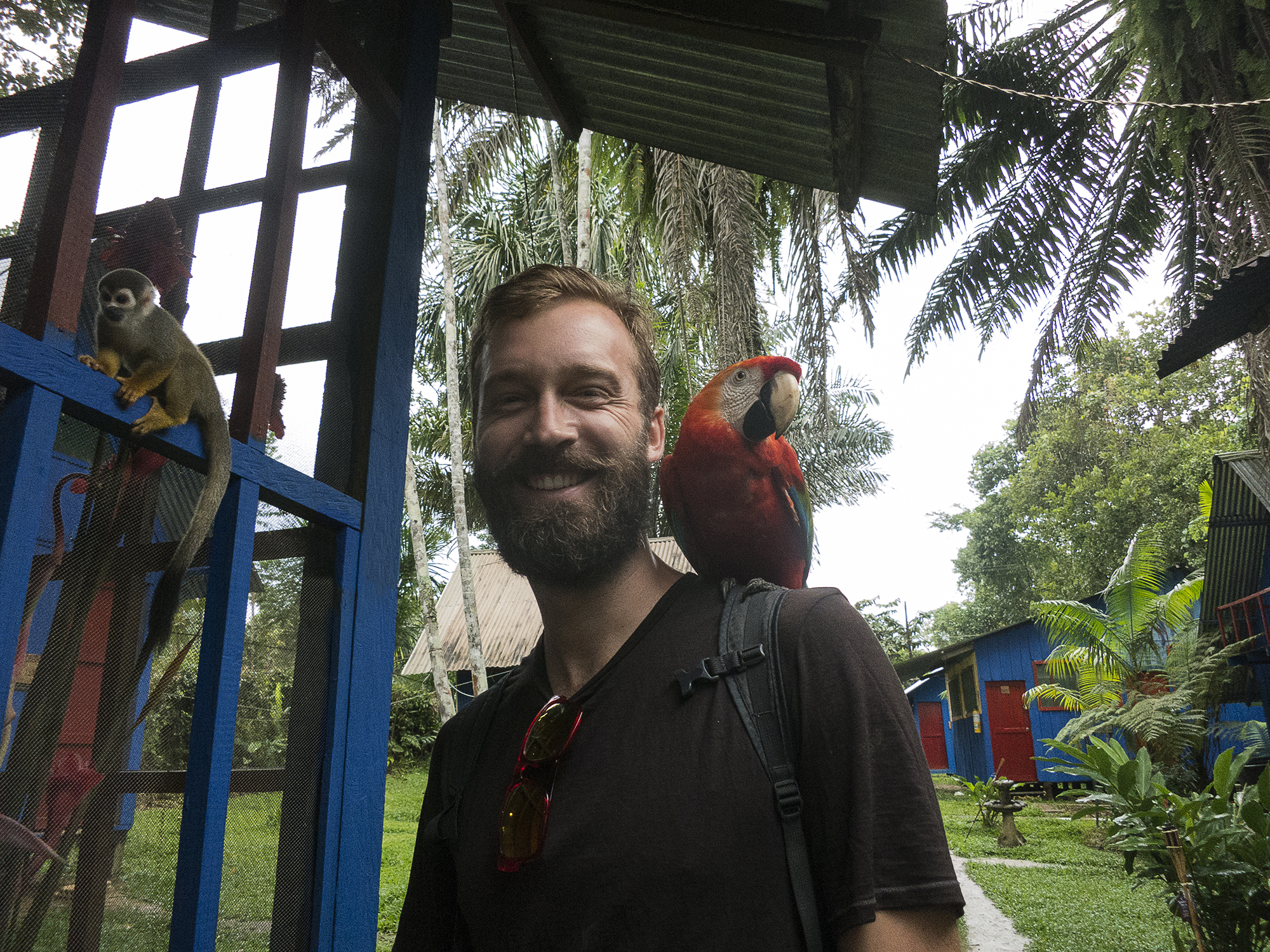
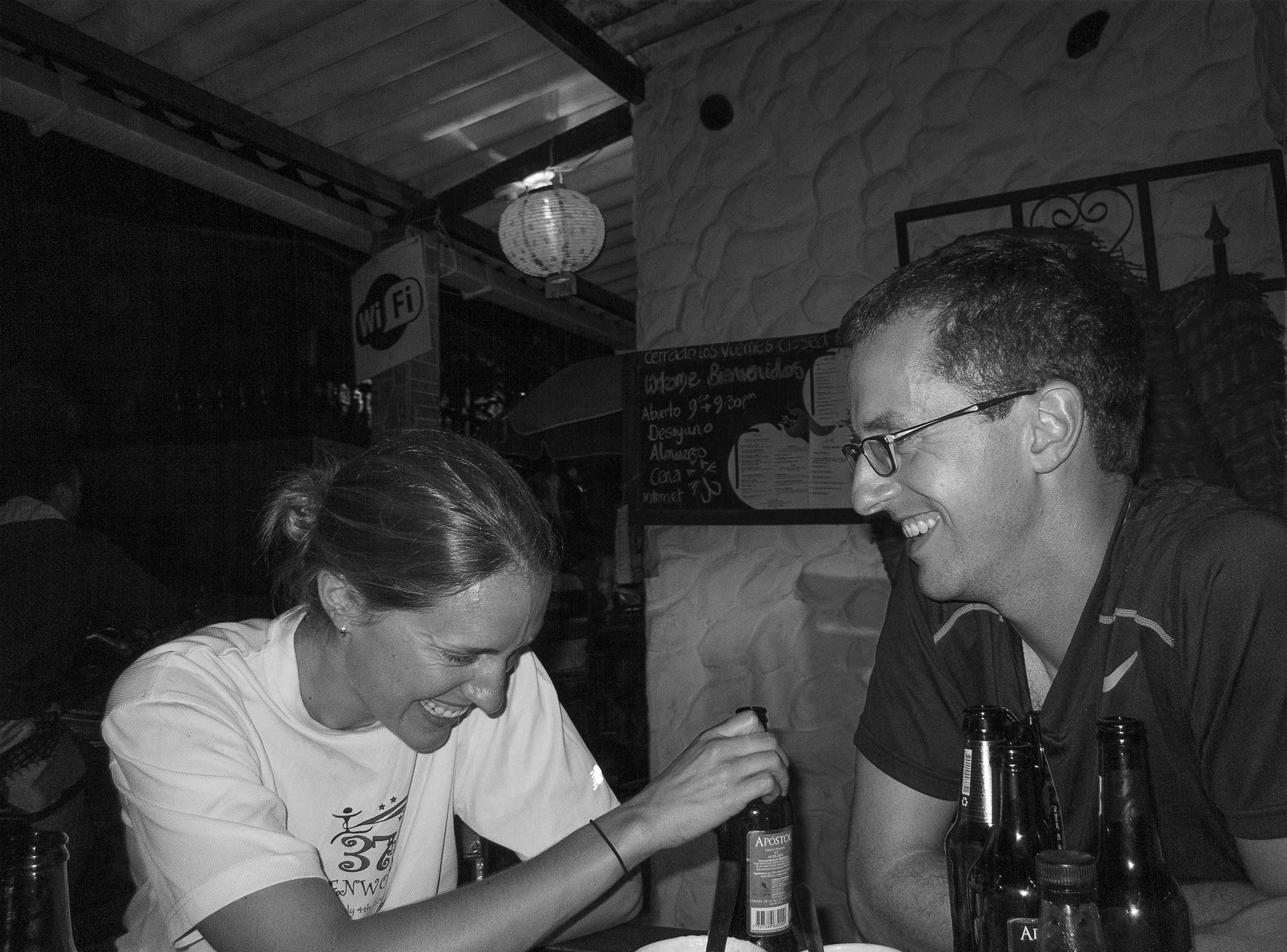
Between dives, I didn’t mind relaxing in Puerto Ayora, studying the SCUBA manual. It’s a charming town, with a mix of backpackers and the kind of tourists that buy Galapagos t-shirts at the airport, wear pocketed vests, and carry $6,000 telephoto lenses. It’s a less expensive, more livable town than I expected, and my time there was all the more enjoyable thanks to the unexpected company of a pair of friends I’d made in Bogota. The world of backpackers is small. It’s funny, in 15 years of living in Los Angeles I’ve had less chance encounters than I have in just 10 months of bouncing around all of South America. It turns out that when you reduce 12 countries to a collection of better known destinations and popular hostels, the likelihood that you will see someone you met elsewhere is high. When I saw Saadia and Carl walking down the street toward the school I later learned they were volunteering at - it marked at least the fourth time I’ve seen someone in a different country than where I met them. We spent my last night in town sitting on a dock amongst sea lions, crabs, and marine iguanas, sipping on beers and chatting long enough to watch the tide rise.

Sunday 11.15.15
Posted by Bradley Basham
 

MANCORA, CUENCA AND GUYAQUIL

IMG_3694.JPG
IMG_9619-2.jpg
IMG_3706.JPG
IMG_9622_2.jpg
IMG_9660.jpg
IMG_9664_ALT.jpg
IMG_9695.jpg
Cajas_Panorama copy.jpg
IMG_9728_2.jpg

I departed from Tarapoto at dusk on October 31st, aboard another overnight bus, having decided that was scariest way I could spend Halloween. It took two buses and 30 hours to cross the Andes and climb the Peruvian coast to Mancora, but falling asleep to the crashing of waves in an uber-chill hostel was all I needed to forget the journey.

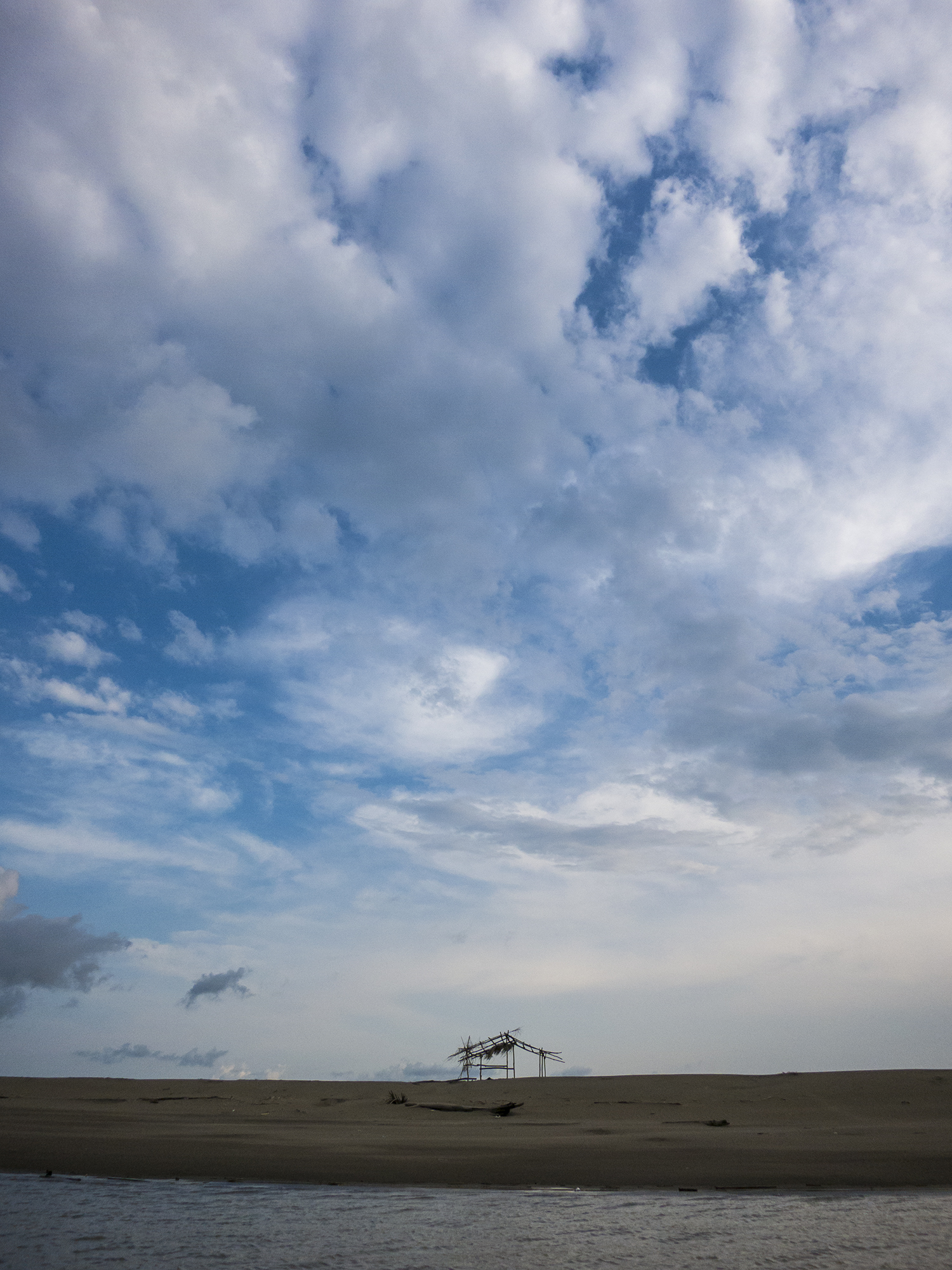
The next morning I awoke to a warm welcome from Jeanette, a Norwegian flight attendant with maroon hair and tattoos commemorating wild nights in Memphis and Thailand.  We’d met in Iquitos and made big plans to bounce up the coast together, although there was nothing big about the next three days, spent sipping beers with our toes in the sand. I felt comforted, and strangely at home, watching the sun set behind the familiar horizon of the Pacific Ocean. There isn’t much else to say about my time in Mancora, and that’s exactly how I wanted it.

Refueled, we booked a bus across the border to the Ecuadorian city of Cuenca. Of course, our afternoon bus was rescheduled to 11:30 PM, and I once again found myself struggling to sleep in a chair. We arrived at dawn bleary-eyed, but liked what we saw. With it’s rolling hills, nearby mountains, evergreen trees, gray skies, organic vegetable smoothies, and boutique bakeries, Cuenca reminded me of Portland. Our timing was bad, however - we’d barely missed a week-long anniversary celebration - so we arrived to a quiet city with a hangover. It was a relaxed five days, into which I mixed a bit of work, before heading Northwest to Guyaquil.

The road out of Cuenca passes through the spectacular Parque Nacional Cajas, where we stopped for a strenuous and beautiful hike. From there it was a standing, overcrowded, two hour bus to Ecuador’s second largest city. We had heard nothing but complaints about Guyaquil, so a great day lounging, biking and walking around was a bonus. We were only there for the airport, gateway to the Galapagos.

Tuesday 11.10.15
Posted by Bradley Basham
 

Tarapoto

IMG_9591.jpg
IMG_9539.jpg
IMG_9580.jpg
IMG_9598.jpg

Tarapoto is another loud and unremarkable city, noteworthy only for the forest that surrounds it. This corner of the jungle is mountainous, and therefore distinct from the lower regions of the Amazon I’d already explored. I did some quick research and reserved a two day trek, but had no idea what I was signing up for. I had to hold back laughter when my guide(s) arrived; an unathletic looking woman named Jenny, with an oversized grocery bag for luggage, and her seven year-old son, Patri, who was carrying school books in a Smurfs backpack.

Jenny pulled out a long strap and started making loops around her grocery bag. She then stood up and hung the 40 pounds of luggage from her forehead. It was as if she’d tied two days worth of food and supplies to her pony tail. When, a mile or two down the path, I offered to take a turn, I only lasted about 10 minutes, which was long enough to develop a sore neck and shrink two inches. I have no idea how she did it, but Jenny carried that bag for eight hours. And her son was just as tough - enduring without compliant what turned out to be exactly what I wanted - a steep and challenging hike.

In the end, the experience was more than I could have asked for. The two of them were great companions; Patri was a soldier and Jenny was an inspiration. For much of her son’s life, she has bounced between jobs, getting virtually no support from his absent father, working full-time for as little as 65 dollars a month. I was struck less by the familiar story of the overworked single mother, than by the smile which belied it. It made me feel like a coward for everything I’ve ever complained about. Her enthusiasm was contagious. 

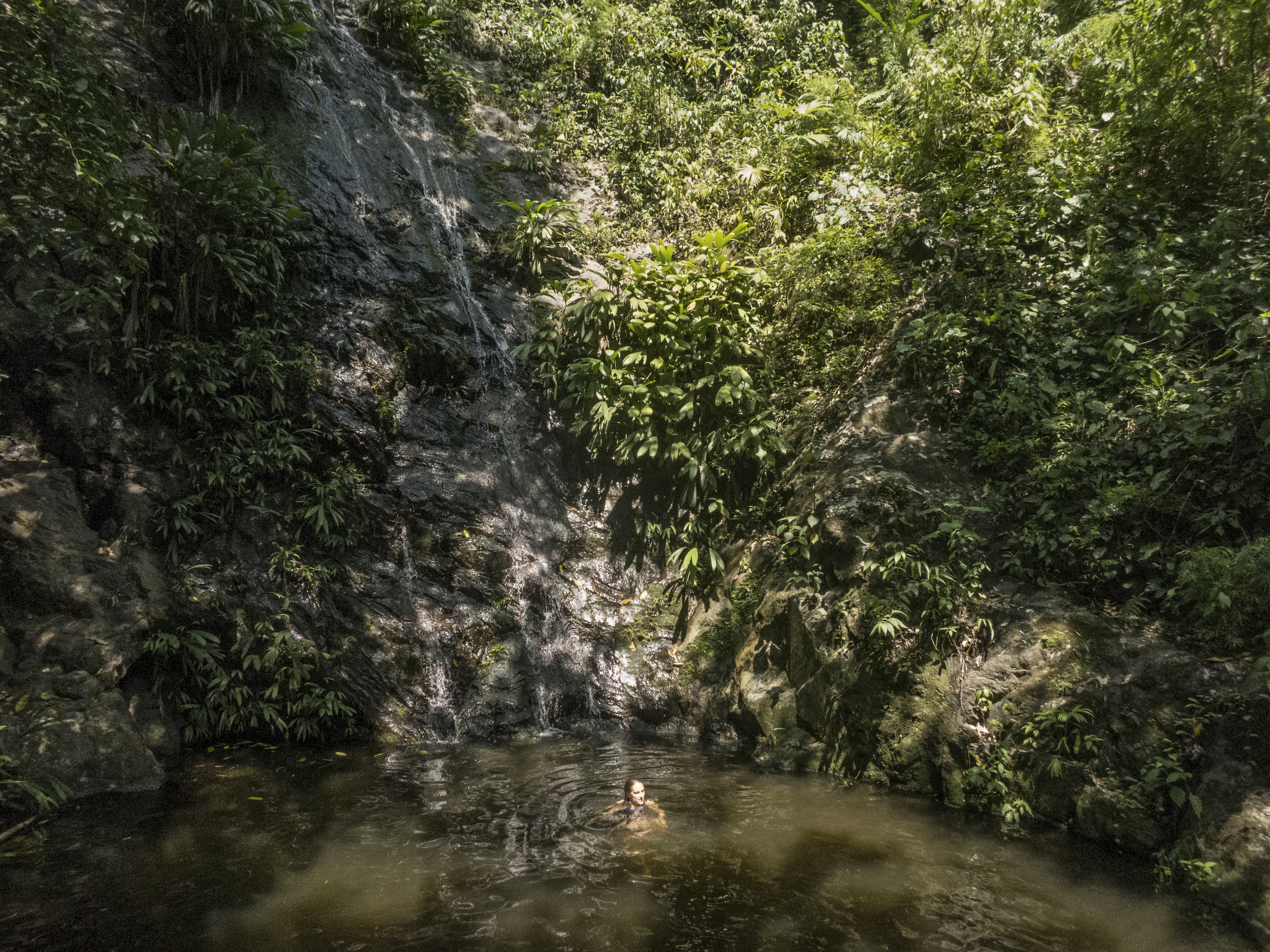
The forest was lush, serene, and refreshingly devoid of mosquitos. The food was good. The afternoon swim at the foot of a waterfall was invigorating. And despite her minimal training and ill-suited equipment, Jenny was among the best guides I’ve had.

Sunday 11.01.15
Posted by Bradley Basham
 

La Selva

IMG_9183.jpg
IMG_9327.jpg
IMG_9223.jpg
IMG_9229.jpg
IMG_9272.jpg
IMG_9307.jpg

It would have been difficult to find a guide I trusted in Iquitos, where disreputable agencies run rampant, but a friend in Leticia recommended a guide that seemed to be exactly what I wanted. So after a few days exploring the Iquitos, I headed into the jungle for five days with Juan Carlos, “Indigenous Guide.”

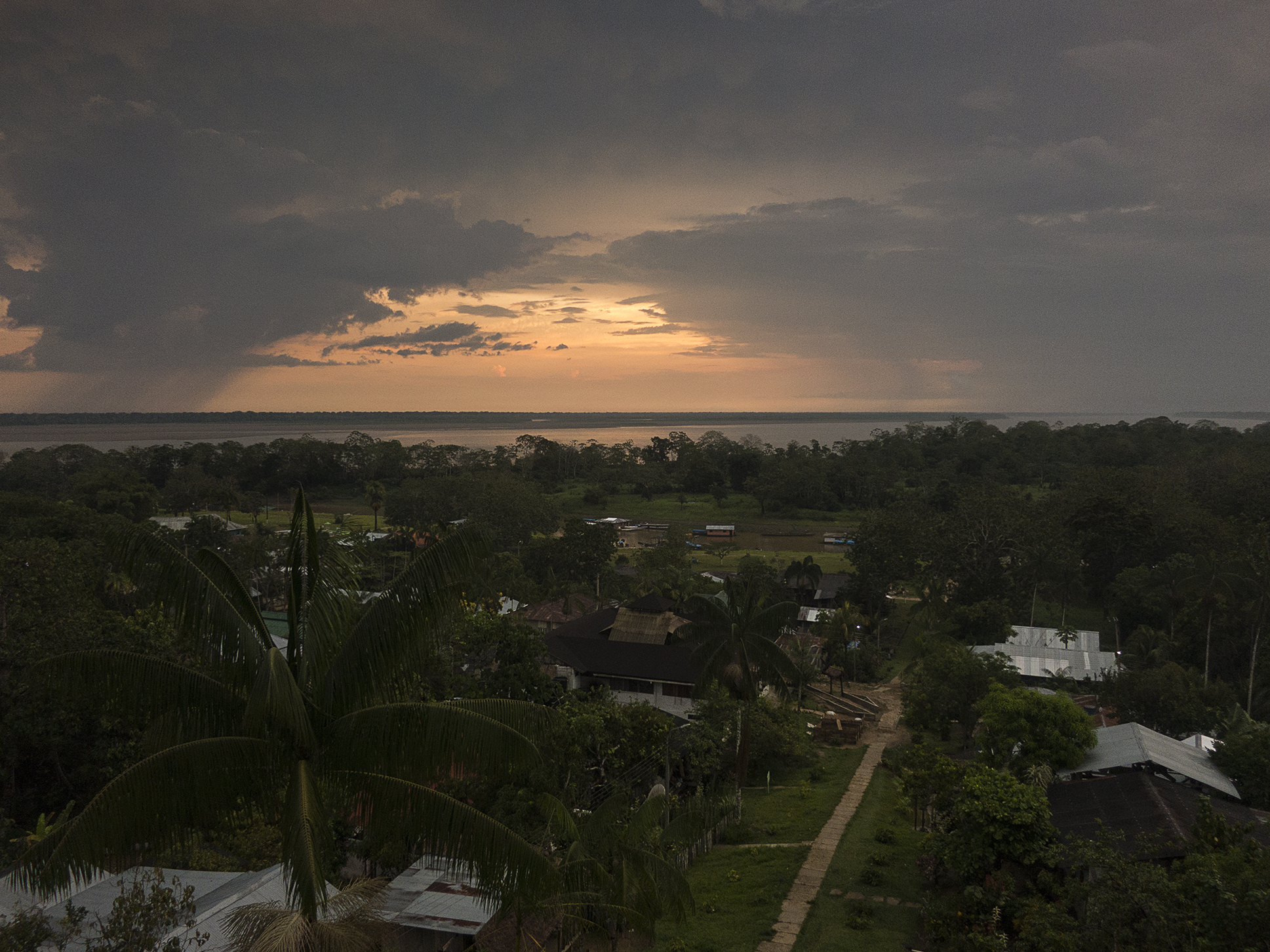
In the Amazon, the density of the forest and the shapelessness of the terrain make it easy to get dangerously lost. It’s not possible to meaningfully explore the jungle without a guide, and even they generally stay close to navigable rivers. And this time of year, that’s pretty limiting. The rainy season has just begun, and over the next 3 months the river will rise by up to 40 feet. Small tributaries will become massive rivers, and much of the jungle will be flooded. With dry land diminished, wildlife will gather in smaller areas, making it easier to find. But for hikers, summer is best, when the jungle floor is dry.

The rainforest is an uninviting place. It is more a cerebral test of nerves and patience than a thrilling safari. Millions of years of competition have trained most animals to flee or hide before any tourist can spot them, and a hundred years of irresponsible hunting have taken care of much of the rest. What you do see is often fleeting, distant, and obscured. And everything, it seems at first, wants to kill you. It took constant reassurance from Juan Carlos to convince me that I wasn’t going to be eaten, poisoned, or sickened. The clouds of mosquitos don’t carry malaria or dengue. It’s safe to swim in piranha infested waters. Venomous night crawlers won’t sneak into camp - although that snake we saw could kill you in 20 minutes and your hammock is only designed to protect you from mosquitos. And the electric eels, well, watch out for them. 

But just being in the Amazon Jungle is a highlight akin to walking through the set from the best scene of my favorite movie. I was excited to find myself in stretches of forest straight out of a David Attenborough documentary. And though wildlife was hard to find, it wasn’t impossible - we saw river dolphins, monkeys, otters, a cayman, frogs, macaws and countless other birds. And you hear more than you see; beautiful, strange, frightening, and funny sounds reverberate through the trees day and night. But I have to admit that the highlight might have been seeing and holding a pet sloth. 

The other high point was also our biggest failure. I sat at the helm of the canoe for three hours, getting battered by a rainstorm, as we travelled to a distant lake. We arrived to find its mouth choked by a heavy network of hydrophytes, which we had to drag, dig, paddle, motor, push, and pull our way through. It was an hour of backbreaking work, and when we finally rounded that last bend we were disheartened to find the whole lake blanketed in the plants. It would have required another two hours of trudging before reaching dry land - not to mention the time required to escape the next morning. With darkness falling, gas running low, and our stomachs rumbling, we had to abort. We backtracked to a swampy corner of the jungle where the mosquitos ruled the night. It was disappointing, but also beautiful, remote, adventurous and satisfyingly rugged.

Without a long, carefully planned, and expensive itinerary, it’s hard not to leave the Amazon feeling like you missed something. Everyone I met could list animals they were hoping to see but didn’t. I was tempted to stay longer and take another tour, but decided I’ll return one day when the river is high. As it was, I got a great taste of the selva baja, and the people and animals that live there. For an encore, I’ll have to settle for an episode of Attenborough’s Planet Earth. 

Saturday 10.24.15
Posted by Bradley Basham
 

Iquitos

IMG_9180.jpg
IMG_9354-2.jpg
IMG_9375.jpg
IMG_9379.jpg
IMG_9387.jpg
IMG_9392.jpg
IMG_9397.jpg
IMG_9394.jpg
IMG_9429.jpg
IMG_9445_Alt.jpg
IMG_9399.jpg
IMG_9456.jpg

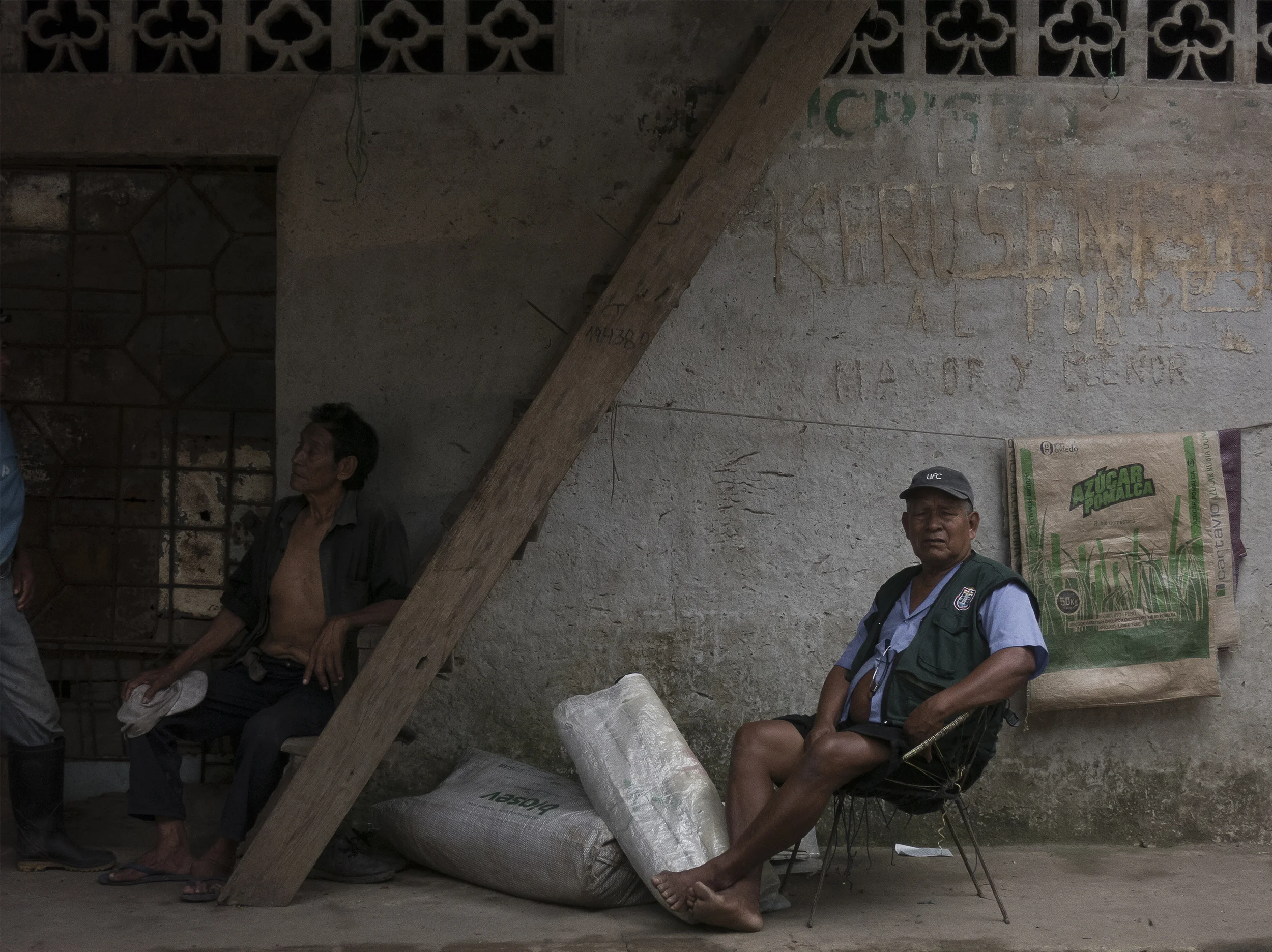
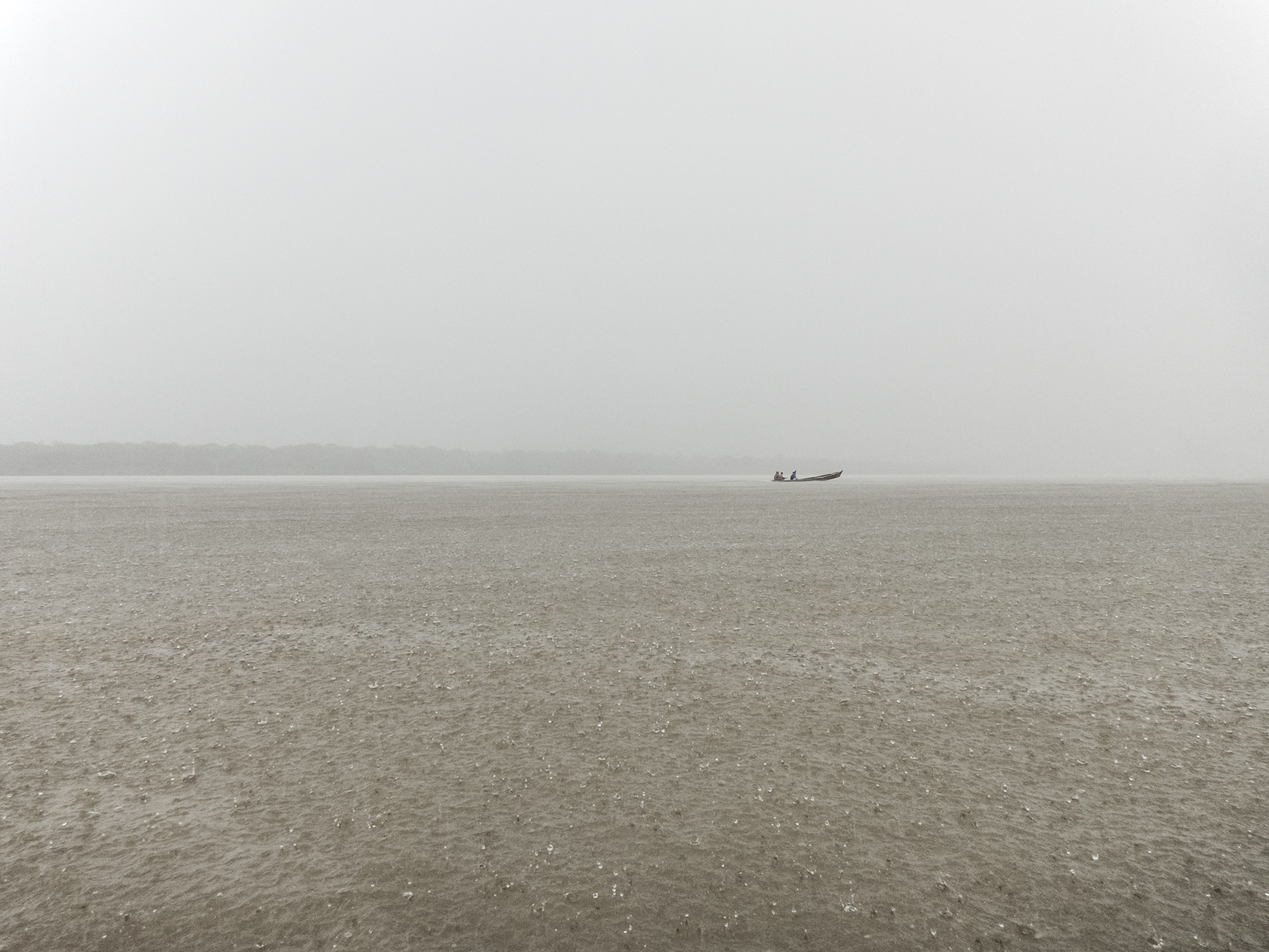
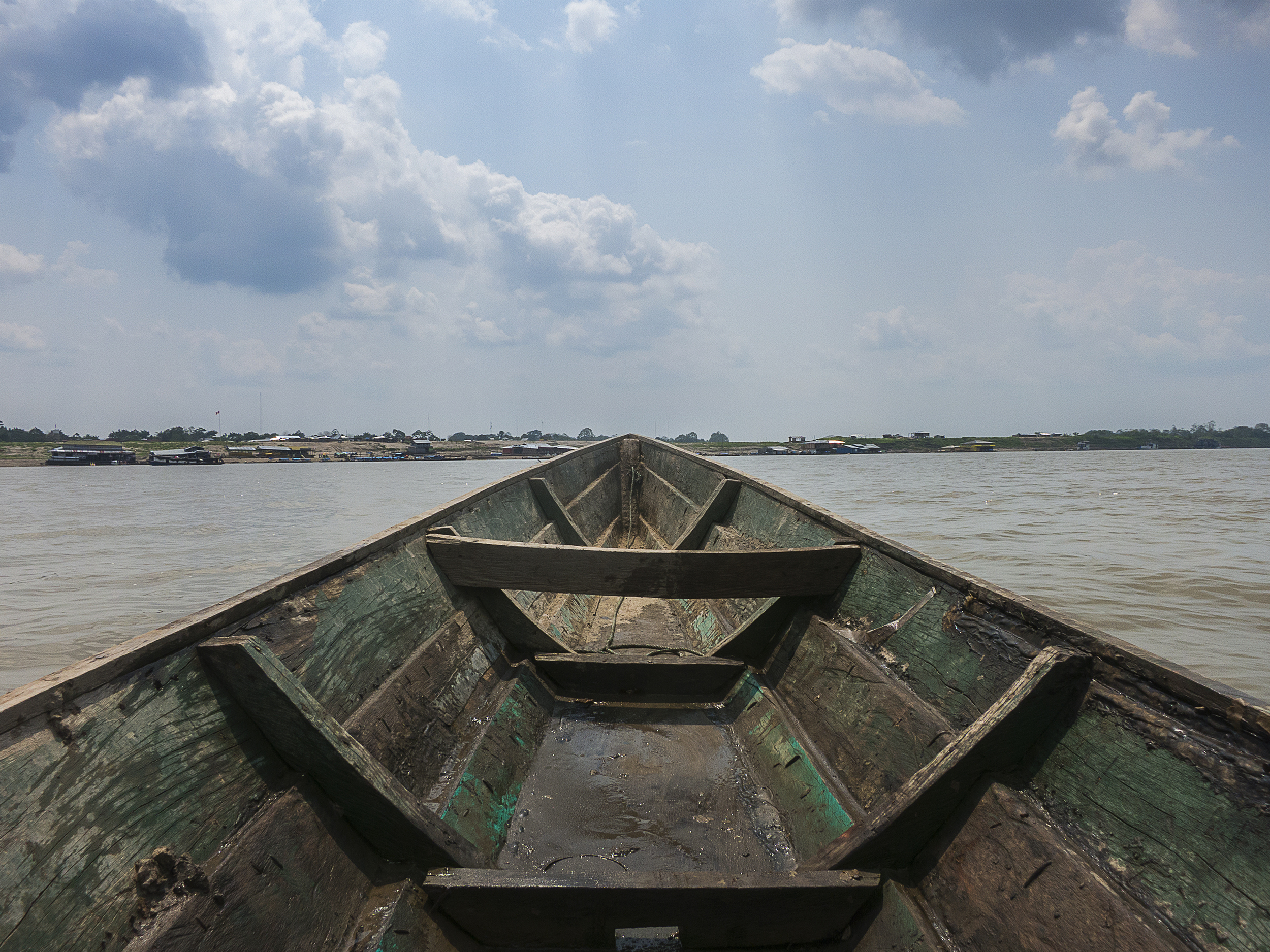
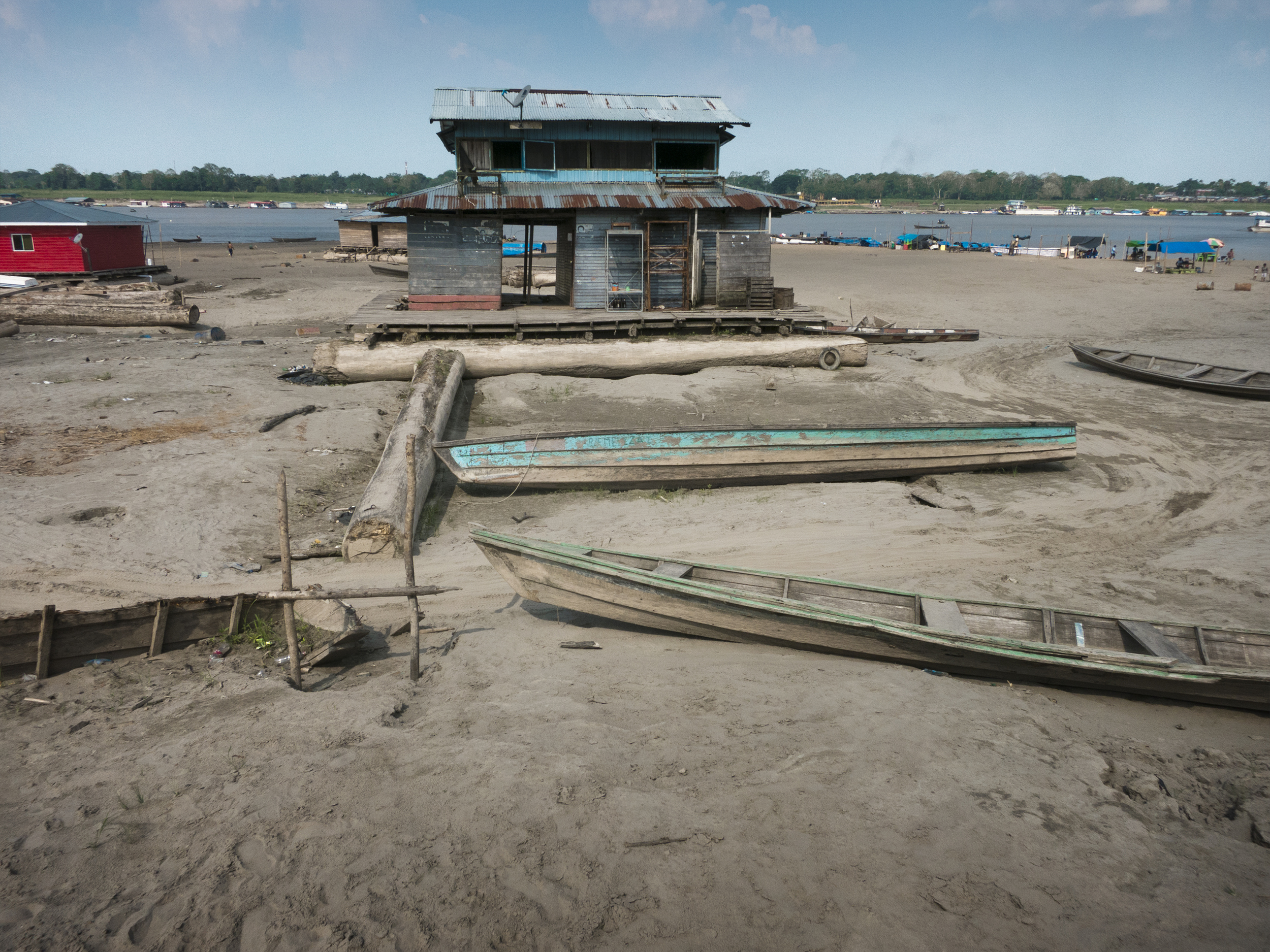
In Leticia, I bought a hammock, and boarded a three day cargo boat upriver to Iquitos. I was hesitant, because i’d heard mixed reviews. Indeed, the experience was a mixed bag. It was a good way to see a large stretch of the world’s biggest river, and provided an interesting peak into dozens of remote villages. It was also nice to have a couple days with nothing to do but read a book, draw, and write. But the view of the forest was monotonous and distant, the roar of the diesel engine relentless, and the environmental impact shocking. I watch in disgust as passengers, often standing half a yard from a trash can, tossed their styrofoam plates overboard. On the last night, I realized why they’d been so brazenly apathetic – an employee dumped the contents of every trash can directly into the river.

The problem is epidemic. Riverside shanty towns throughout the Amazon are seemingly buried in trash. At one point I asked someone why it was is common to see the people that depend on the river treat it with the most disdain. The answer was, at least, interesting; “there was a culture clash with the modern world,” she said, “these people used to drink from coconuts, and eat fresh fish wrapped in palm fronds. Anything left over belonged in the jungle. Trash is a foreign idea, and old habits die hard.”

Iquitos is perhaps the easiest place to see the best and the worst of the Amazon. It’s a hub of so-called indigenous activity, a launch point for tours deep into the jungle, and flush with tourism. It’s a surprisingly lively place, with a cosmopolitain population, an attractive waterfront, and little, if any, violent crime. The neighborhood of Belén is home to one of the biggest markets in the jungle, where vendors come from dozens of villages to sell every variety of exotic - often endangered - fruit, fish, meat and fur. Generally speaking, there isn’t much interest in the preservation of the fragile ecosystem that surrounds the city.

On the flip side, there is much less consumption - and by accident or not, they buy local. Everywhere you look, there is something being put to good use that would, in other parts of the world, be in a landfill. Old plastic bottles float fishing lines. Styrofoam coolers are taped together and reused. Old canoes are repaired, or constantly bailed, but never retired. They use cell phones that were popular when I was in high school. They also probably average twice as many passengers per scooter as Americans do per car. Overall, their per capita impact is probably less than our’s - despite the cavalier attitude towards garbage - they just haven’t figured out how to hide it in someone else’s backyard.

Monday 10.19.15
Posted by Bradley Basham
 

Leticia

IMG_9023.jpg
IMG_9034.jpg
IMG_9039.jpg
IMG_9096.jpg
IMG_9128.jpg
IMG_9144.jpg
IMG_9130.jpg
IMG_9156.jpg

It didn’t take long to put another checkpoint on my calendar; I’ll be meeting Kevin and Rachel in Medellin in December. But I don’t mind the appointment; a place to be keeps me moving. This time, the urgency drove me south, to the heart of the Amazon. Leticia is in the southeast corner of the geographical peninsula at the bottom of Colombia, pushed up against the borders of Brazil and Peru. I left my bag at the Hostel, and immediately took a boat across the Amazon for a Peruvian lunch. Later, another boat carried me a stone’s throw downstream to the Brazilian town of Tabatinga, for a bowl of Açai.

I spent the next week bouncing between towns, and getting a taste of the surrounding jungle. The highlight was an excursion to Puerto Nariño, two hours upriver by speedboat. The pace of life is different in the tropical towns along the Amazon. Few people have traditional jobs. Instead, they have countless enterprises - like fishing, selling the ice they make in their home freezer, or boating tourists around in leaky canoes - to scrape out a living. Everywhere, but especially in Puerto Nariño, where motorized vehicles are prohibited, life is decidedly “tranquilo.” As you might imagine, it was a vibe I appreciated.

I passed most of my time around Leticia with Tonin, a Venezuelan diplomat with stories from 30 years of travel and international job placement. He hardly seemed the government type. He wore sandals, shorts, and long, frizzy, gray hair, and said he was envious of my beard. He was a compassionate, soft-spoken vegetarian and life-long atheist. He would feed stray dogs with left-overs, and carry medicine for them in his back pocket. He’d pick-up and gently move any bug that was in danger, sometimes backtracking half a block to save a beetle, spider, frog, or gnat. 

The last of our short-lived trio was Benjamin, an Israeli who wouldn’t stop talking about Peru. We enjoyed his company, despite his occasional naiveté and disinterest. He had a laissez-faire attitude about anything that didn’t involve a return to Iquitos, and dragged his heels for days before reluctantly making a plan to fly to Medellin. One morning, after I said something to Benjamin about the logistics of lunch, the friendly hostel owner made an astute observation. “You two are a perfect pair,” she laughed. “You can’t see past today,” she nodded towards Benjamin, then turned to me, “and you’re always thinking about the future.”  I felt like I’d been found out; distilled down to a single sentence by a woman who’d known me for two days. It is a losing battle, trying to keep my mind in the moment. I wish I could say this trip has “fixed” me. Of course it hasn’t. But even the most mundane moments sometimes make this feel like a journey of self-discovery and reflection.

Wednesday 10.14.15
Posted by Bradley Basham
 

Bogota, Continued

IMG_8966.jpg
IMG_8990.jpg
IMG_8995_Editalt.jpg
IMG_9004 copy.jpg

Throughout this trip, periodic visitors and checkpoints have kept me on a rough schedule. When I returned to Bogota, I was in the new position of having no direction. It was also the first occasion that I had my laptop - retrieved during “intermission” - and time to use it. I accepted a few freelance projects, so this marked a new chapter of my trip on two fronts; work to do and nowhere to be.

So, I stayed in Bogota for nearly two months. I bounced around between hostels and apartments, but it was the closest I’ve come to living abroad since I spent a year in Italy, which was - wince - ten years ago.

I spent many days in the public library, or working in my hostel. And I met great people - both travelers and locals - so I socialized when I wasn’t at my computer. I did things normal people do: cooked, worked, read, and went to some galleries, concerts and movies. It was real life, with half the work and twice the novelty.

Bogota is a progressive place. During the “Dia de Justicia Climatica,” cars were forbidden within the city, and a concert was held in the central and stately Plaza Bolivar. Bogota is nearly the size of Los Angeles, and at least as dependent on cars; Waze ranked it as the tenth worst driving city in the world. The Centro fell quiet without the constant drum of engines. I suddenly felt anxious for a transportation revolution, and inspired in the presence of environmentalism outside the privileged bubble of western cities. What would Los Angeles be like without cars?

Having so enjoyed my time in Bogota, I found myself ready to choose another city as a temporary home. But first, after so long in one place, it was time to hit the road and pick up the pace. It was hard to leave, but I left knowing there was a good chance I’d be back.

Monday 10.05.15
Posted by Bradley Basham
 

BURNING MAN

IMG_8955.jpg
a9xhuKANF141EJjyOrnI_GdPPZYFpV7IFOTdCgB2h0A,QiTAXg3NHwUzyJstRvimlWd_nbsVI48G8xAtORI-11M,FdcChfaUrDpjqYg1cth-uWDnaKVKi2dVF3GIurdbCJU.jpeg
IMG_8900.jpg

During a lazy afternoon in Cartagena, I had busied myself by impulsively buying a round-trip flight to San Francisco and a Burning Man ticket. I was embarrassed by the decision; in a time of new experiences, a sixth trip to the playa was off script. But I love it there, and I couldn’t resist the chance to surprise my friends. Yes, Taking a pause from my year of travel to go to Burning Man was crazy, but so was taking a year off to travel. More is more, right? 

So, three weeks after buying my ticket, I quietly touched down in San Francisco, exhilarated by anticipation and secrecy. I had a day in the city to pack and celebrate my dad’s birthday with my sister and bedridden brother-in-law, before hopping on the eight hour bus to Black Rock City. When I finally made it to the playa, a Burning Man greeting was more fitting than ever; welcome home.

Two years ago we christened The Dusty Pineapple, a rickety skeleton of a tiki bar, built on a garden cart and pulled by four bikes. With small speakers, dim lights, and scarce alcohol, we avoided the competition by heading to the darkest corner of the playa. People trickled in slowly, but when they arrived, they stayed. It didn’t take long before our little bar was rocking with 50 singing, dancing and smiling people. I’ve rarely felt more satisfied than the first time I walked 30 yards from the Dusty Pineapple in full swing, and looked back at it shaking energetically in the blackness.

These days, the Dusty Pineapple is what draws me to Burning Man. It has forged many friendships, and seen several of the best nights of my life. Naturally, I wanted to execute my surprise with my friends saddled up to the bar. I arrived Monday evening, but had to wait until Tuesday for them to take it out, leaving me 24 hours set up camp and explore the city alone. Knowing I’d want to be stationed with my friends, and that I wouldn’t want to relocate, I pulled a bandana over my face, stretched my goggles over my head, shouldered my gear through town, and discreetly pitched my tent almost next door to camp DP.

The next day, I enjoyed wandering solo, but was distracted by thoughts of the night to come. When the sun finally set, I headed back to camp. Disappointingly, a pleasant day turned into a gusty night, and I began to hear familiar voices suggest they leave the bar behind. Wind not only makes it hard to pull, but prevents would-be customers from undertaking the long ride to find us. I was disappointed, but had flown 4,000 miles to be with my friends and wasn’t about to wait another day. I donned my disguise, and walked across the street…

The sun had long set and the moon had yet to rise. The only light on the corner of Kook and 3:30 came from several strands of christmas lights hanging from the Dusty Pineapple, which was anxiously parked in camp. As I approached, completely covered and in near total darkness, Kellen, my freshman roommate, took one look at my suspicious silhouette and knew it was me. “No, fuckin’ way,” was all he said. 

For a second, I was the one who was surprised. Wylie froze, clearly thinking what Kellen knew but unable to believe his own suspicions. After a beat, I pulled down my mask, and lifted my goggles. Suddenly I was on the ground. There was kissing, hugging, laughing and screaming. I was literally shaking with excitement. Wylie said he cried. Markus was more animated than I’ve ever seen him, and trust me, that’s saying a lot. It was an hour before we had our wits about us. But eventually, the dust settled - literally and figuratively - and we realized the wind had died. Deep playa was calling. 

At Burning Man, handshakes are replaced by hugs, and “playa names” are used where applicable. These pseudonyms are are given, not chosen, and anything goes. Ostensibly, they’re permanent. This year I met Cotton Candy, Tramp Stamp, and Panda, among many others. Markus is called Moop, after an acronym for trash on the playa, Matter Out Of Place. After 6 years at Burning Man, I was still “Brad.”

It was around midnight when we finally opened for business. An hour or so later I started my first shift behind the bar - sitting on a small cooler with my feet buried in an eclectic collection of booze and mixers. Markus started telling people how stressful it had been trying to fill my shoes as the pesky father figure who’s always worried about the trash blowing away, or that someone left the container of baby wipes open. With genuine affection and a hint of sarcasm, he said, “I’m so happy dad’s here.” His enthusiasm for my arrival struck a chord. Someone mentioned I didn’t have a playa name, and suddenly I was surrounded by 15 people, all chanting “DAD! DAD! DAD! DAD!…”

The next morning we read through the guestbook and rehashed the night before. It had been a great night - i’ll remember the surprise and the christening of my playa name for the rest of my life - but the wind had kicked up again and the bar never quite got humming. Still, there were some happy customers: “It was late,” wrote one, “we went in search. A bad turn, and we were surrounded by lights, people, noise, noise, more noise. We steered our playa vessels to the darkness, and found the light. We found your smiles, and our sanity, tears, and happiness at The Dusty Pineapple. Thank You.” 

Unmasked, and reunited with my people, it was time to settle into life on the Playa. Burning Man is widely misunderstood, at least in part because it’s so difficult to describe. Indeed, it is cliché to wonder how could I possibly explain this to the default world. First of all, to debunk the most common myths, hippies are in the minority, nothing is traded, and drugs are unnecessary. The founding principles of Burning Man call for inclusion, gifting, decommodification, self-reliance, self-expression, communal effort, and participation. It is a recipe for uninhibited conversation, boundless creativity, and unprovoked generosity. On the playa, I feel relaxed, confident, introspective, melancholic, and celebratory. It can be a bit like going to a museum, a psychiatrist, a funeral, and a riotous wedding, all in the same day. Just a few of the highlights this year were Camp Unnecessarily High Five with their Unnecessarily Low Bar, the ICU with hospital beds and cocktail-filled syringes and IV bags (camelbacks), a boxed wine tasting accompanied by a whipping, a Shabbat service with dinner for 400 people, and learning to introduce myself as Dad.

But the wind that hampered the Dusty Pineapple on it’s first night was only the beginning of the bad weather. All week, the dust storms were unrelenting, and a deep chill gripped the nights. On Saturday, with the city at peak population, the temperature dropped into the low 30’s, and we couldn’t find a soul in deep playa. In years past, the Dusty Pineapple has been a welcome escape from the density of art cars surrounding the man, each playing music louder than the other as he burns. But the cold drove nearly all of our customers, and most of our staff, into their tents and sleeping bags. Twice we pulled the bar closer to the city, and the struggles continued. It wasn’t easy to stay warm while sitting in the bar, but we eventually found just enough activity to keep Moop and I trading shifts until sunrise. 

Despite flashes of brilliance, the night was disappointing. And somewhere along the way my backpack disappeared, along with some cash and my driver’s license. Thursday hadn’t been much better, which meant Tuesday, theoretically the warm-up, had been the bar’s most successful night. Between preparation and recovery, I’d dedicated significant chunks of six days to the Dusty Pineapple. For the first time, the juice wasn’t worth the squeeze, a realization that brought on a stubborn pessimism. Suddenly it was Sunday morning, and I couldn’t help but look back at the week as a collection of slightly underwhelming nights and dusty days. In that haze, I had to help pack up camp.

After the man burns, the city is a depressing place. It’s watching something you love get torn apart. There is a constant stream of cars heading for the exit, and even though thousands of people remain, most camps have closed their doors. I was exhausted and ready to leave with my friends, all of whom were departing that afternoon, but my bus was scheduled for noon the next day. So, I said my goodbyes and set out to make the most of one last afternoon and night. 

First, I stopped by Planet Earth, an impressively proper bar with an actual dance floor, and a sign out front asking for booze donations. Taking note of at least one place that would still be open, I found someone to send to our camp, where Markus and a few others were stuffing the last of our gear into rented trucks, and wondering what to do with our leftover alcohol. Then I made a fruitless stop at lost and found, and set off to explore what was left of the city.

A tasty drink. A wonderful conversation. Followed by another. A serendipitous encounter with a Panamanian with travel tips. A martini. A peaceful walk to the Temple, Burning Man’s cathartic core. A powerfully silent gathering of 30,000 people watching it burn. Hugs. More conversations. A magician. A warm thank you from Planet Earth, followed by hours of dancing, unable to wipe the smile off my face.

Suddenly everything looked different. What I’d loved about the week was now top of mind, and everything else was just part of the journey. But the highs and lows were difficult to process. I left the playa the next day relaxed and satisfied, but without a clue what to say about it. A few days later, I was still digesting the experience, and preparing to write this entry, when I got a message from my friend Kevin, who is subletting my house in LA, “It's yo lucky day son. Some people just dropped off your bag with ID and money!”  

The more time passes, the more I appreciate that I made the journey this year. Here’s another Burning Man cliché: “You don’t get the burn you want, you get the burn you need.”  It’s a joke, practically, but it resonates. Sometimes you have to lose a backpack, suffer through a frigid night with your oldest friend, or have a perfect evening after everyone you know has left. Perspective comes slow, but this year it hit hard: The best things in life aren’t always the best things. 

Thursday 09.10.15
Posted by Bradley Basham
Comments: 3
 

Bogota

IMG_3335.JPG
IMG_3426.JPG
IMG_8678.jpg
IMG_8711.jpg
IMG_8750.JPG
IMG_8829.jpg
IMG_8842.jpg

Our first impression of Bogota was dark and underwhelming. But after a couple days of exploring, the city grew on us. We found great coffee, food, and beer, cool shops and outdoor markets, and good people. Our grand finale, albeit on Lauren and Geoff’s penultimate day, kicked off when a group of locals, gathered on a sidewalk, offered us a beer. Being a tall gringo has made me a beacon for anyone looking to sell or beg for anything. I had to discard the assumption that these guys wanted something from me, and I was glad I did. We had a memorable half hour chatting with the group of them, and they asked for nothing in return for the beers we drank. What followed was a hilarious night of tequila shots and “salsa dancing” at Bogota’s largest and most unique restaurant-bar-club, Andrés Carne de Res. 

Lauren and Geoff’s visit was full of highlights. Most of them were the sort that don’t make for good story telling: friendly people, beautiful places, good food, meaningful conversation. Traveling with the two of them was a breeze, and while invading their hotel, I got a rare taste of amenities like plush towels, powerful air conditioning and hot showers. 

I’m getting weary of being repetitive. Hopefully you aren’t tired of reading about people and places that are amazing, beautiful, friendly, or incredible. I’m glad to have a new adjective; the three of us had a boomin’ time. It was difficult to readjust to traveling without them.

Saturday 08.29.15
Posted by Bradley Basham
Comments: 1
 

The Jungle

IMG_8355.jpg
IMG_8497_Alt.jpg
IMG_8557.jpg
IMG_8637.jpg
IMG_8651.jpg

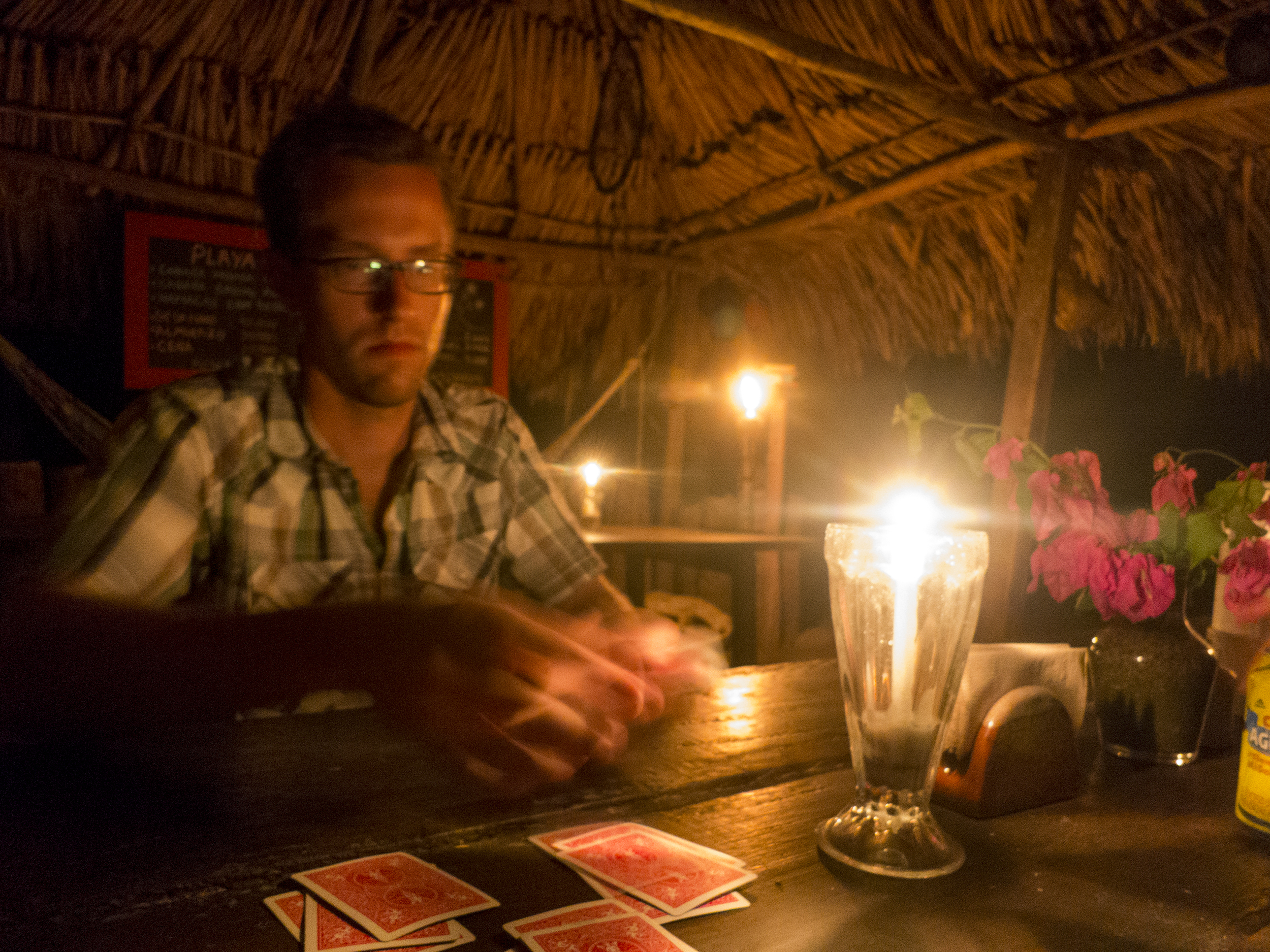
Next up was Minca, a small jungle town with just enough tourism to support a few nice restaurants, a chocolate shop, and a microbrewery, without sacrificing its quaint, local charm. We stayed in an “Ecohab,” which was an octagonal thatch-roofed hut with mesh walls. Their aim was to immerse us in nature, which they accomplished by surrounding us with birds, trees, and bugs. Playing cards in our room on the first night, I had to dive off the couch to avoid a giant yellow spider that was swinging for my face. I escaped to an anxious night’s sleep.
I awoke the next morning feeling like a survivor, ready to tackle the jungle. I got dressed - an easy chore when you only have one pair of shorts and two t-shirts to choose from - slipped into my only pair of shoes, and was ready for the day. I thought my blisters from Colca Canyon had healed, so it seemed strange that my toes were hurting inside my tired Nikes. I didn’t think much of it, however, until the pain got worse after a couple minutes of walking around our room. When I removed my shoe to investigate, I found a small, unhappy scorpion, fresh out of venom.
It would be fun to write about Geoff sucking the venom out of my toe, a hurried trip to the hospital, and a last minute antidote. In reality, my toe felt tingly for a couple hours while we went on a pleasant hike through coffee plantations and rappelled down a waterfall. 

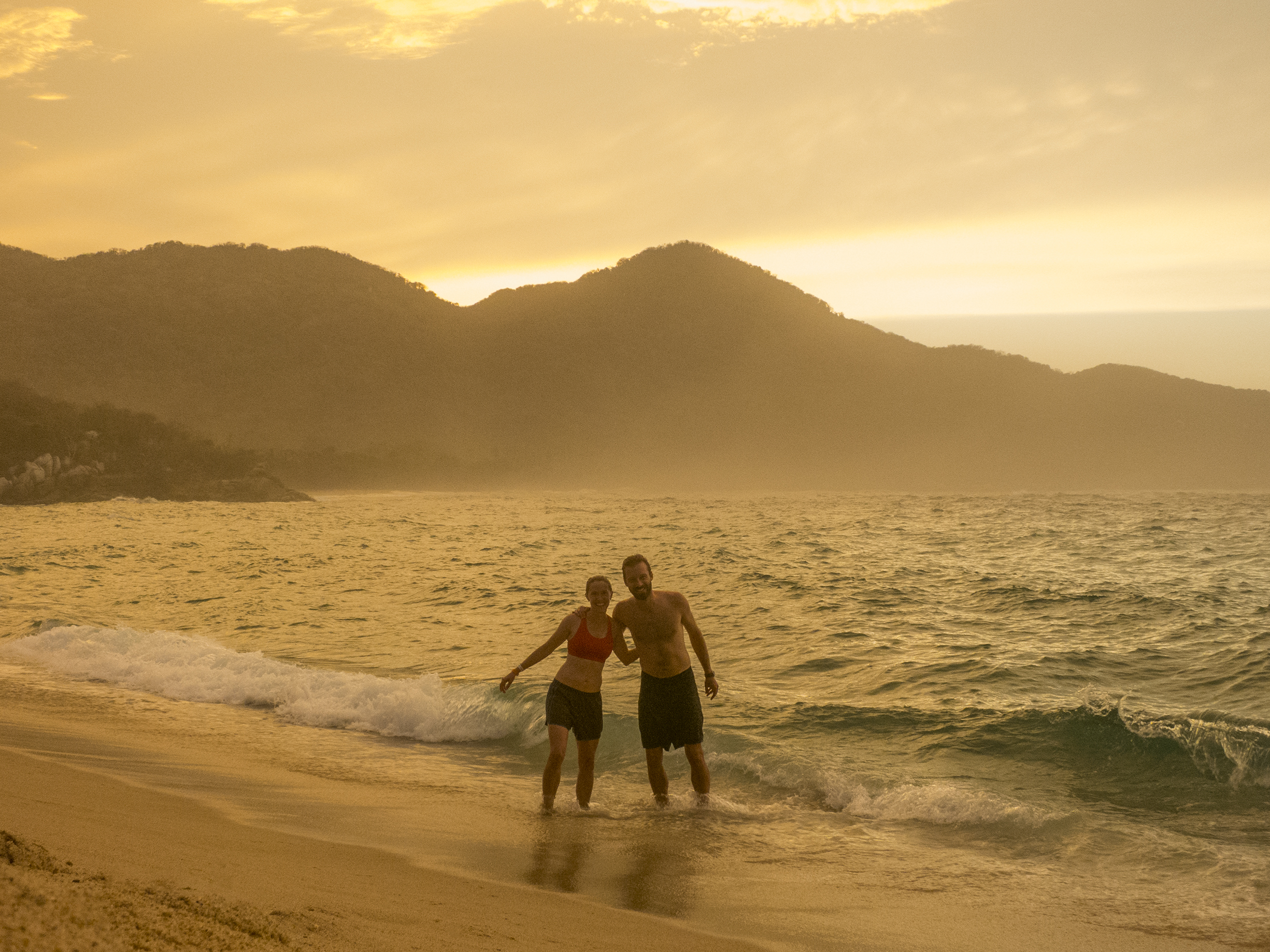
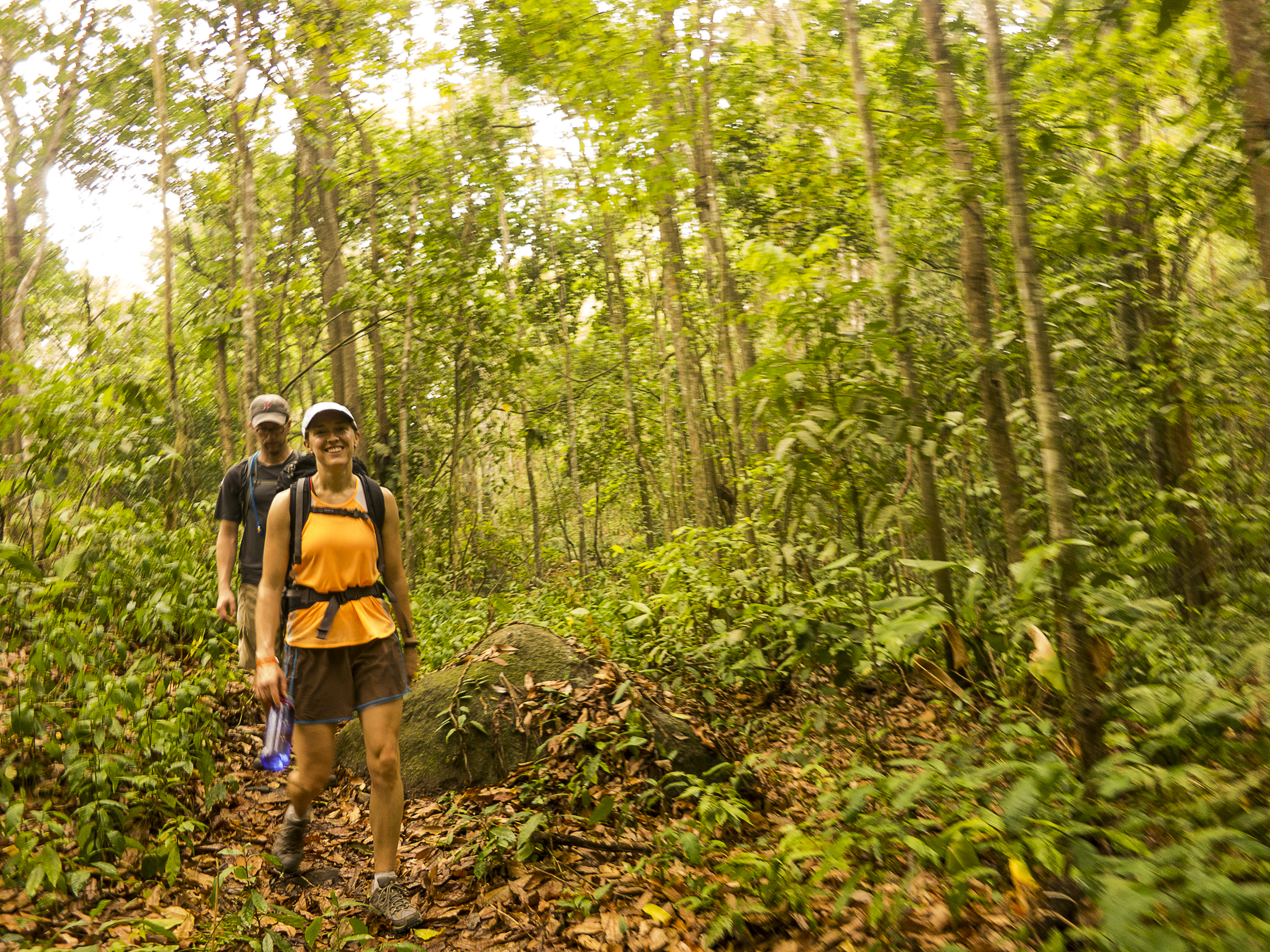
The next day we drove to the nearby Parque Nacional Natural de Tayrona, where the jungle abruptly meets the Caribbean Sea. We made a three day trek of it: day one along a well-worn trail to a popular beach; day two past giant boulders and ancient ruins to an empty beach with waterfront cabanas and hammocks; day three through more dense rainforest to the park’s southern exit. On the second day, after completing the strenuous climb to Pueblito in half the time allotted, Lauren - ever the wordsmith - said we’d “boomed it.” She wasn’t wrong. 

Epilogue: 10 days later, while I was relaxing in Bogotá, Geoff was back at work in San Francisco when he fell seriously ill. His temperature reached 103.8˚F, and he was diagnosed with Dengue Fever. Still in the gestation period, Lauren and I spent the next few days nervously awaiting symptoms, which never came. Geoff spent a week and a half in bed and lost 15 pounds. 

Saturday 08.15.15
Posted by Bradley Basham
 
Newer / Older

www.bradbasham.com